Best things to do in Bariloche – northern Patagonia’s outdoor mecca
Some links on this page may be affiliate links. That means if you follow one, see something you like, and purchase it, I may receive a small commission at no cost to you. For more information, see this site's disclosures.
A lot of first-time travelers to Argentina spend a few days in Buenos Aires and then make a beeline for southern Patagonia. And I totally get that! The hikes in El Chaltén are famous around the world for a reason, and the Perito Moreno glacier is one of the most impressive sights I’ve ever seen with my own eyes.
But Patagonia is enormous! If you love nature and have a little more time, you should definitely try to spend some time in Argentina’s lake district. The hiking here is a little different in terms of scenery, but in my opinion it’s just as impressive. (It also isn’t nearly as social-media famous, so the trails aren’t as crowded.) Being further north, the weather is not quite as harsh as it is in the south, and you can enjoy pleasant temperatures a little bit earlier in the spring and a week or two later in the fall.
The easiest and most convenient place to base yourself is San Carlos de Bariloche, which is located right on the shores of the stunningly beautiful Nahuel Huapi Lake. There is an airport here with frequent flights to/from Buenos Aires and other cities in Argentina. (In high season, there are direct flights to/from El Calafate.)
Bariloche is a resort town popular with Argentines year-round, so there is plenty of tourist infrastructure – accommodation options, restaurants, grocery stores, etc.
A completely honest note (that I might delete later)
I am not the biggest fan of Bariloche town proper. I’ve been three times over the course of 15 years, and for me personally, the vibe is always off.
The incredible nature around the city, as I hope I’ll make clear in this post, more than makes up for it.
But personally, I no longer budget too much time to be in the city itself, and I don’t worry that much about finding accommodation in a central location. (Obviously this depends on having a kitchen, but most hostels and a lot of vacation rentals do. The top-rated hostels tend to be located in the center anyway, so this is kind of a moot point if that’s what you’re after.)
As long as you’re close to a bus stop, you can easily get pretty much anywhere you want to go. Bariloche is an extremely convenient base for exploring the lake district, but I do encourage you to think of it as just that – a base.
Getting around
Conveniently, the bus system here uses the same transportation card (the SUBE card) as public transit in Buenos Aires. You can use it to travel all over the area – to trailheads, parks, and other points of interest. (Related to my point above, though, save yourself the headache and top it up in BA. Literally every single kiosco in Bariloche tried to load less money than I gave them – some by just a little, which I let slide, and others by enough that it would’ve left me stranded in the dark with no credit after a hike if I hadn’t called them on it.)
There’s definitely no need to rent a car – I’ve only ever traveled solo to Bariloche and I relied almost exclusively on the bus, with the occasional Uber when I was tired or in a hurry.
That said, renting a car will make your life easier. The buses can get super packed, and some of the distances are just a bit much for that. (I didn’t love standing on the bus for an hour after a full day of hiking, I’ll be honest.) It also means you can explore the Seven Lakes Route (more on this below) and some of the smaller, more charming towns in the region at your own pace.
1 | Hike in the national park
Hiking is easily my favorite thing to do in Bariloche, and the sheer number and variety of amazing trails here is the main reason I’ve been back so many times.
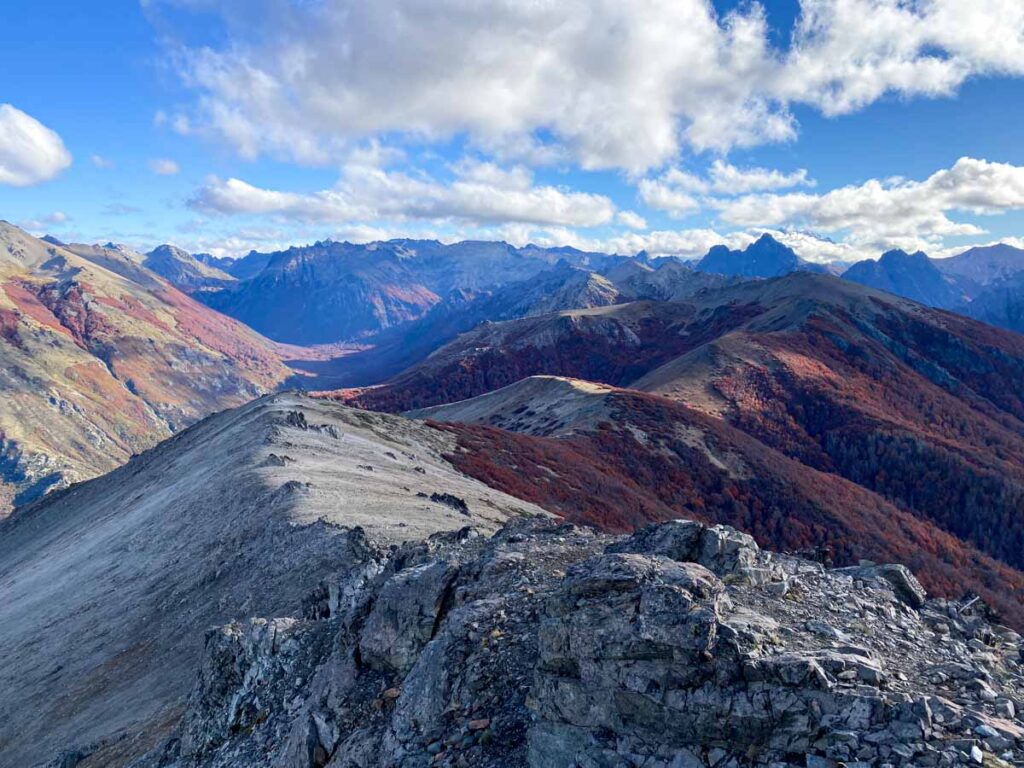
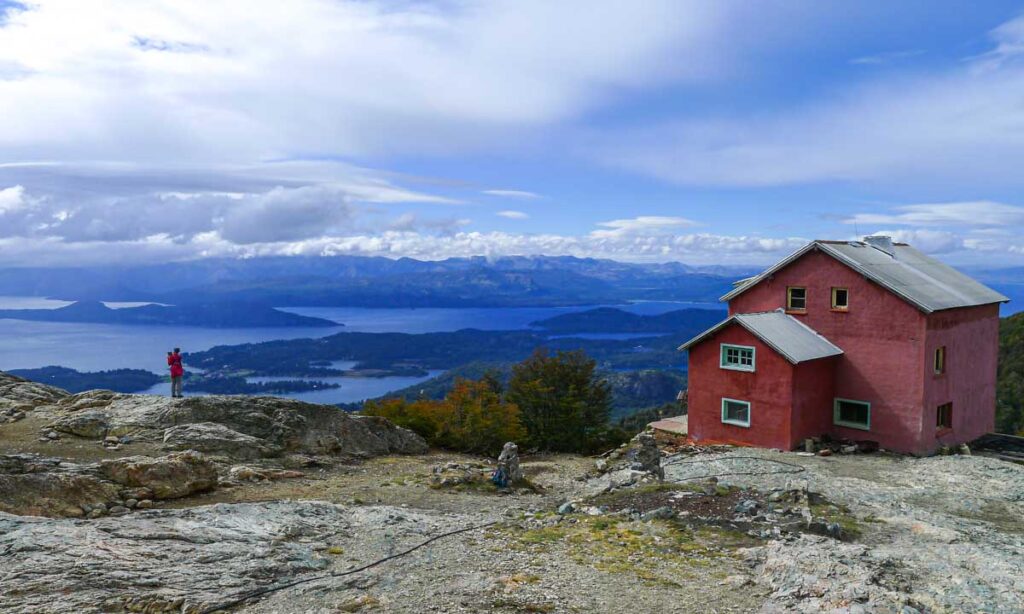
Bariloche is surrounded on all sides by Nahuel Huapi National Park, where you have everything from moderate day hikes to technical multi-day treks. About 45 minutes by bus along the gorgeous lakefront is Llao Llao Municipal Park, which has easy, shady trails suitable for all ages and fitness levels.
I’ve written up a separate post on my favorite day hikes in Bariloche, and even that is barely scratching the surface of all the amazing places to see here!
2 | Walk or take the lift up Cerro Campanario
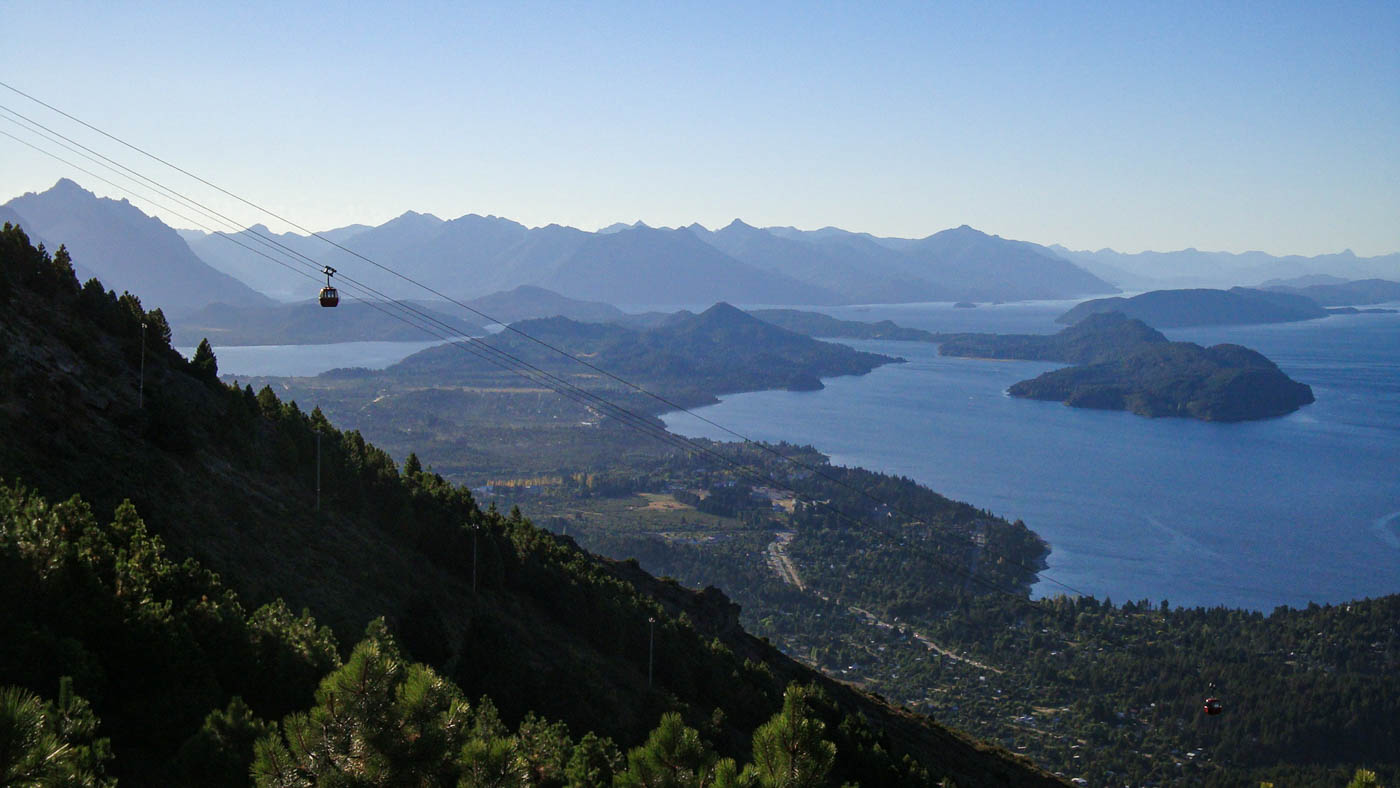
Cerro Campanario has one of Bariloche’s best views of the lake and surrounding mountains, and you don’t even have to hike to get there! (But you can if you want to.)
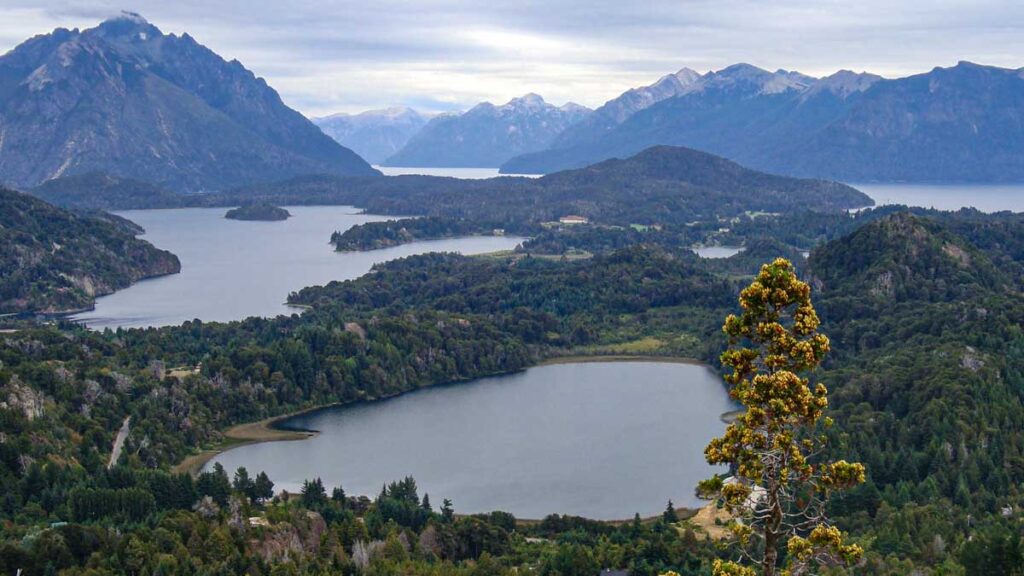
There is a cable car to the top of the peak, where you’ll find a café with pastries and other snacks. It has floor-to-ceiling windows so you can admire the view even if you need a break from the sun, heat, wind, cold, rain, or snow!
If you’d rather save your money and walk up, the trailhead is right next to the chairlift entrance. The path is quite steep, but it only takes 30-45 minutes to reach the top.
The cable car and trailhead are located at kilometer 17.5 of Avenida Bustillos, which you can reach by bus from the center of Bariloche if you don’t have your own car.
3 | Explore the Circuito Chico
The Circuito Chico is a scenic loop of about 24 kilometers located about 18 kilometers west of Bariloche’s town center. It starts just past Cerro Campanario, so you can easily combine these two activities on the same day if you have nice weather.
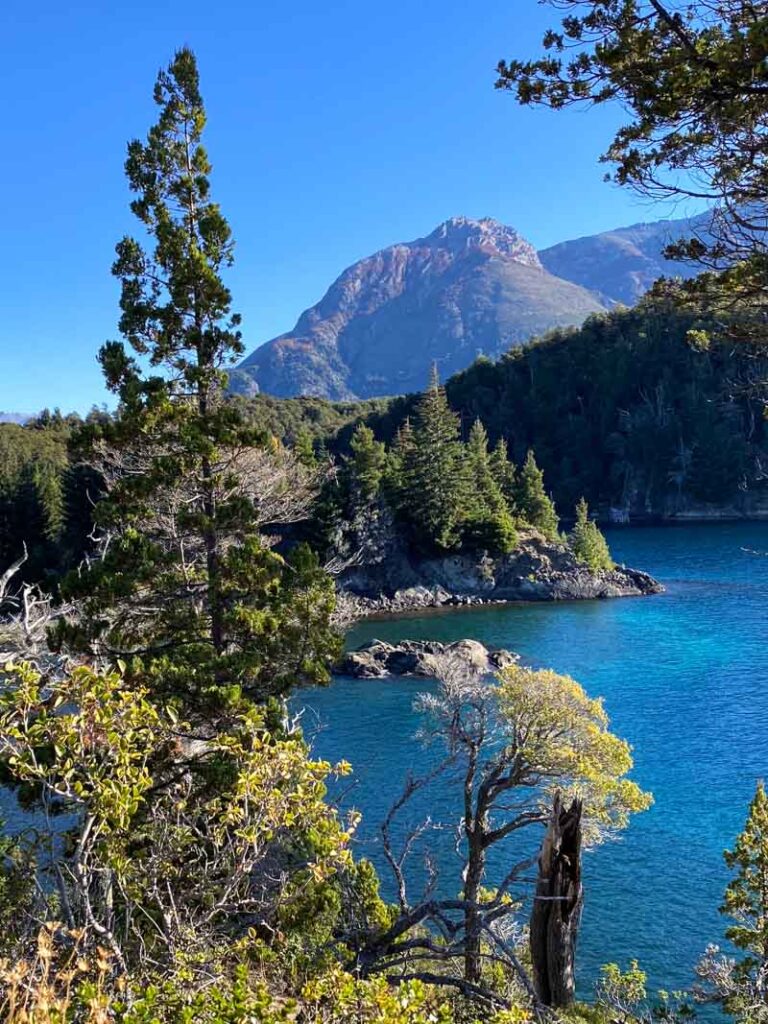
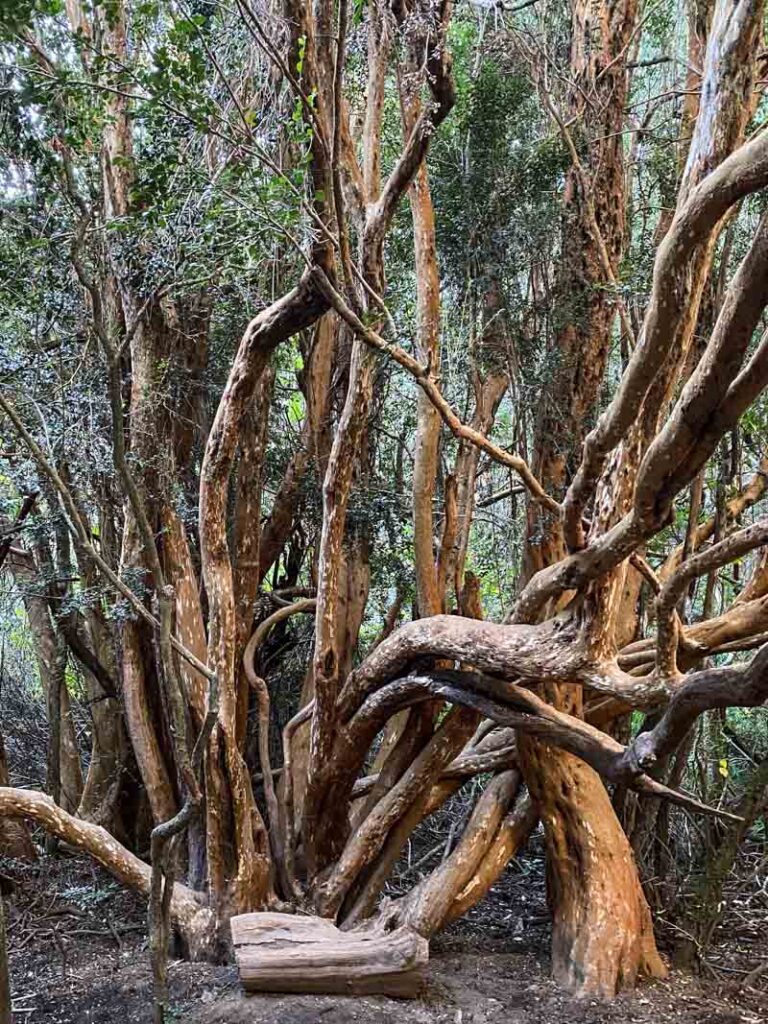
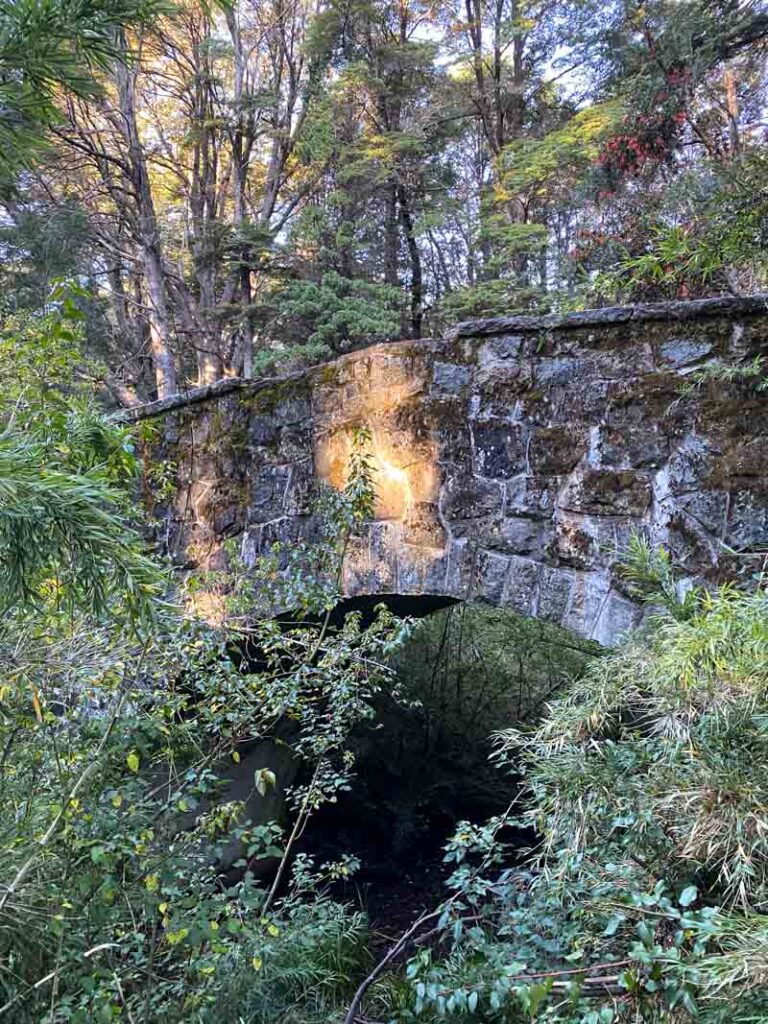
The most popular way to explore the circuit is to rent a car, but it’s also possible to rent bikes/e-bikes for the trip.
There are a handful of great breweries on the southern portion of the loop, so you’ll hit them at the end if you go counterclockwise. That way you can also decide whether or not to make a detour down to Colonia Suiza (see the next section) or save it for another time, depending on how late in the day it is.
If you don’t want to rent a car or bike, you can take a tour of the Circuito Chico (which usually includes a stop at Cerro Campanario but not the lift price).
4 | Visit Colonia Suiza
Colonia Suiza is a small town (population: less than 200) located about 25 kilometers from Bariloche’s town center.
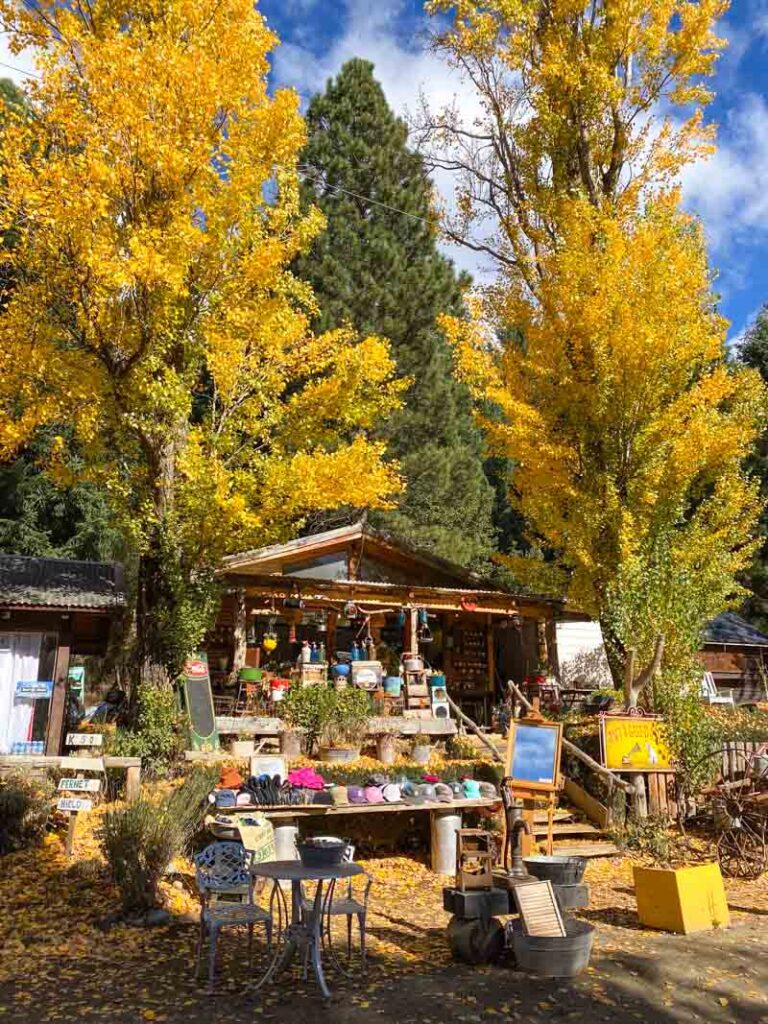
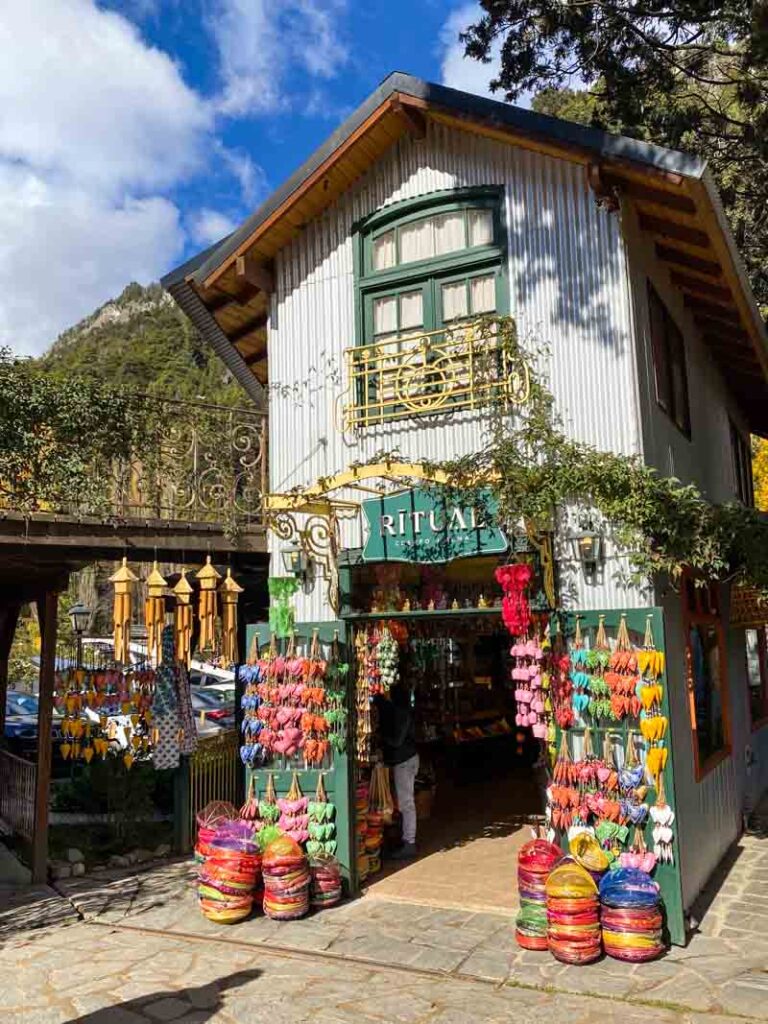
The settlement was founded in the late 1800s by a family of Swiss immigrants (thus the name) and is now considered a heritage site. Although you can see from Bariloche’s architecture that there have been several waves of German, Austrian, and Swiss immigration in the region, Colonia Suiza was actually the very first European settlement here.
Ideally, you’ll want to time your visit for a Wednesday or a Sunday, when you can watch curanto being prepared and experience the local artisanal fair.
Curanto is a traditional dish from the Chiloé Islands that was introduced here by one of the first settlers. The original Chilote version unsurprisingly featured (still features!) a lot of shellfish, but since seafood wasn’t so easy to come by here in the early twentieth century, Argentinian curanto evolved into its own, meat-heavy dish. Its preparation is an elaborate affair, with different kinds of meat, potatoes, gourds, apples, and even cheese (this is another big difference from the Chilean version!) cooked in a pit of hot stones over the course of several hours. During the fair, you’ll see locals preparing curanto just next to the main street.
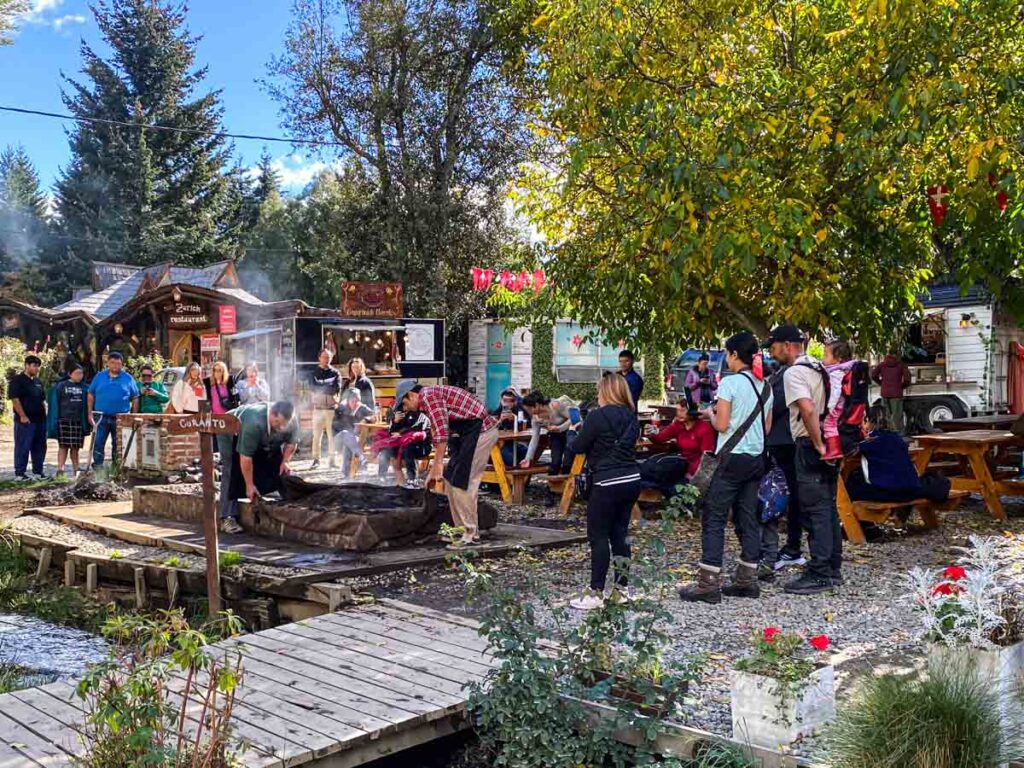
The fair has lots of other local products and treats to try, including jams and preserves produced with fruit from nearby orchards. This is a good spot to pick up some unique souvenirs!
Even if you can’t make it for one of the market days, I still think Colonia Suiza is worth a visit. There are coffee shops, breweries, places to eat, and cute shops selling homemade crafts. It’s right next to the trailhead for several great hikes, and it’s not far from the Circuito Chico – you can easily combine it with one of the other top things to do in the area.
5 | Water and adventure sports
This is the lake district after all! With sparkling blue water everywhere you look, you might be itching to get in. (That probably depends on the season.)
This is the most popular place in Argentina for things like kayaking, kitesurfing, whitewater rafting, paragliding, and other outdoor adventure activities.
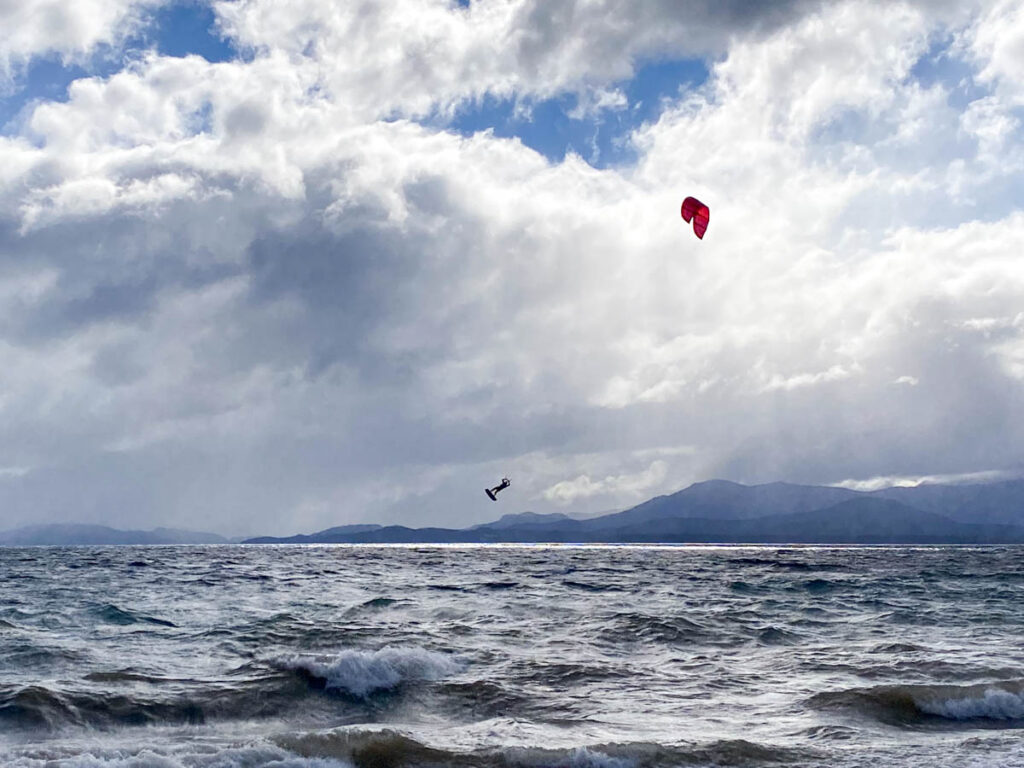
There are tons of kayak rentals dotted along the lakefront of Lago Nahuel Huapi as well as some of the smaller lakes near the Circuito Chico. (You can also book guided day trips. If you can understand Spanish and don’t need a bilingual guide, you will have more affordable options.)
For more adventurous souls, the surrounding mountains have rapids for whitewater rafting.
And if you’ve ever wanted to learn to wind or kitesurf, this is a prime spot for it! Neither is an activity I have attempted (…yet?!), but I’ve literally spent hours sitting on the shore of the lake watching the kitesurfers here. It is mesmerizing, and you obviously can’t beat the setting!
6 | Try Bariloche’s famous chocolate
Bariloche is actually famous for its chocolate shops! This story is also rooted in its immigration history, with the first chocolate business started by an Italian in the 1940s.
All of the most famous chocolate shops are clustered together along a few blocks of Avenue Mitre, which makes things easy/dangerous. (The good/bad news is that the prices will likely stop you from going too crazy.)
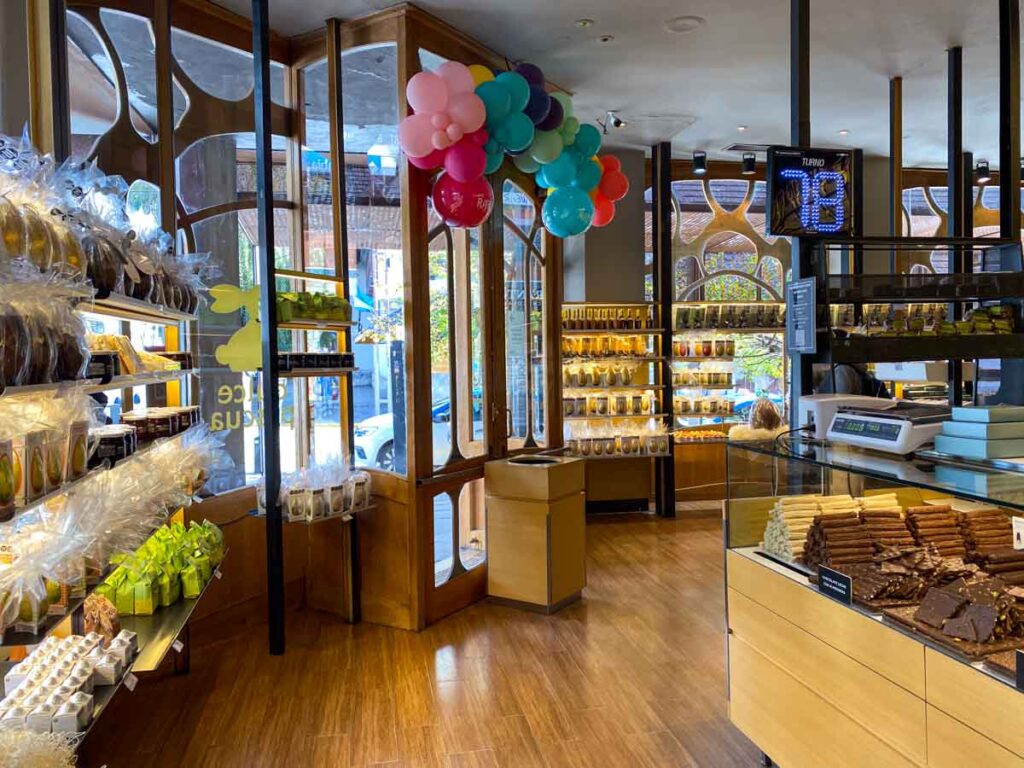
Rapanui is probably the most famous one, with Mamuschka a close second. They’re both quite elaborately decorated (in very different styles) with lots of seating to enjoy a hot chocolate or ice cream depending on the season. Note that if you’re shopping for gifts to bring home, they both have smaller branches in Buenos Aires. You won’t find anywhere near the same selection of chocolate, but it’s the thought that counts anyway and you’re less likely to smash it all up traveling around the country in the meantime.
7 | Drive the Route of the Seven Lakes
One of Argentina’s most famous road trips lies just to the north of Bariloche. Known as the Ruta de los Siete Lagos, it’s completely paved and passes through beautiful forest scenery with (yes, you guessed it) many gorgeous lakes.
If you’ve traveled anywhere further south in Argentina by road, you probably already know that huge swaths of the iconic, legendary Ruta 40 are actually pretty boring and barren. NOT so with this little (well, “little” – it’s 185 kilometers) stretch between Bariloche and San Martín de los Andes.
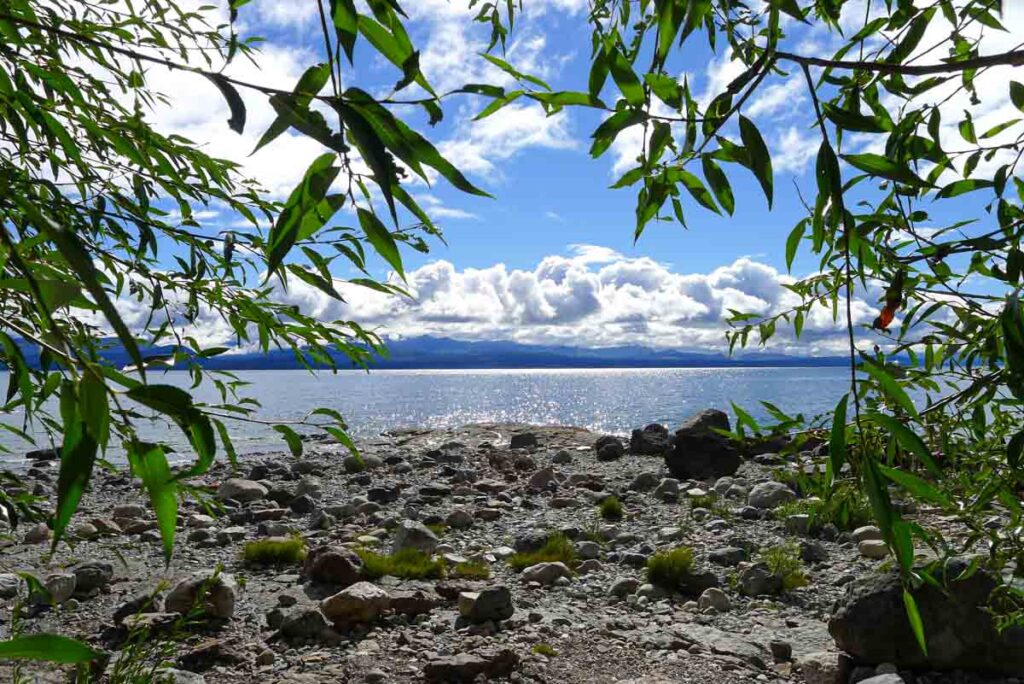
If you’re short on time, it can be done in a day. And if you’re traveling solo or not renting a car for whatever reason, you can find lots of full-day tours that cover the whole route and bring you right back to Bariloche in the evening.
However, if you have the time, it’s definitely worth renting a car and spreading the trip out over a couple of days. The smaller towns along the route, Villa La Angostura and San Martín de los Andes, are a lot more charming than Bariloche and make nice places to stay for a night or two. (Note that you can take the regular bus to get to them as well, but it isn’t going to stop off along the way for you to see the lakes, take pictures, etc. like a tour bus will.)
8 | Take a historical walking tour
The main draw of Bariloche is undeniably its gorgeous natural surroundings, but I do have a recommendation for anyone interested in history and culture. There are several excellent and informative walking tours offered here.
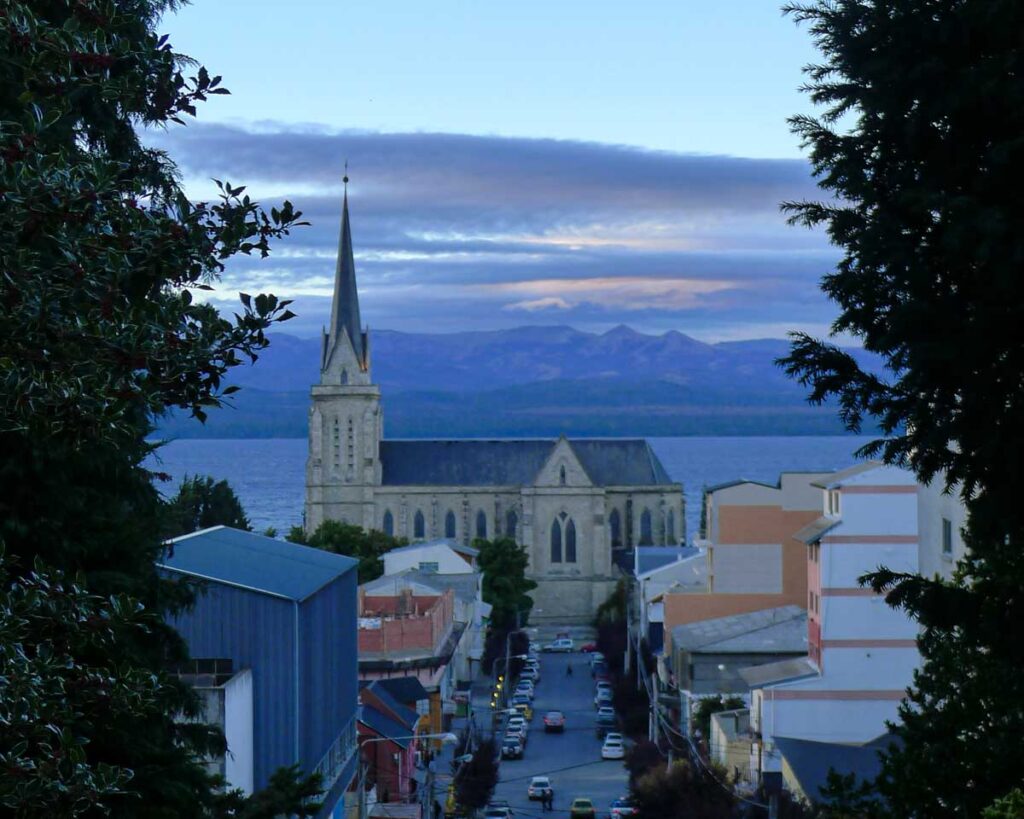
One of them focuses on the history of German immigration to Bariloche. Many people probably already know that Argentina was the preferred destination of a whole lot of fleeing war criminals after World War II. One of the reasons for this was that it was relatively easy for them to disappear into the large German-speaking community that already existed here. This tour explains the history of Bariloche’s many waves of immigration in detail while pointing out various sites and buildings of historical significance.
Another excellent tour is focused on the Indigenous history of the region. You’ll learn about the Tehuelche and Mapuche cultures and how they were impacted by colonization and the Catholic church.
9 | Horseback riding
Another popular activity here, as in elsewhere in Argentina, is horseback riding. These wide open spaces just seem made for it.
A lot of horseback riding activities will start and end at an estancia (working ranch) and include traditional asado and wine, so you’re really getting the full gaucho experience!
10 | Go to the beach
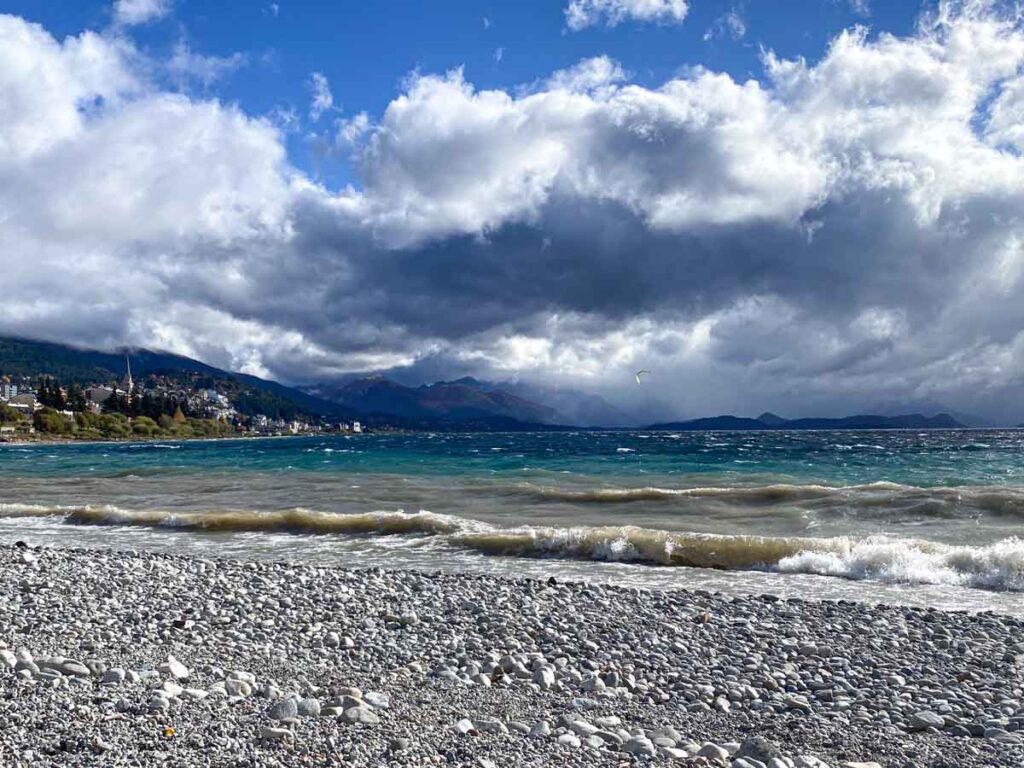
And finally, if you’re worn out from all of the above, you can always just enjoy a few hours by the water! You won’t find any sandy beaches here (that I know of), but there are plenty of gorgeous pebble beaches where you can just enjoy the sun and the scenery.
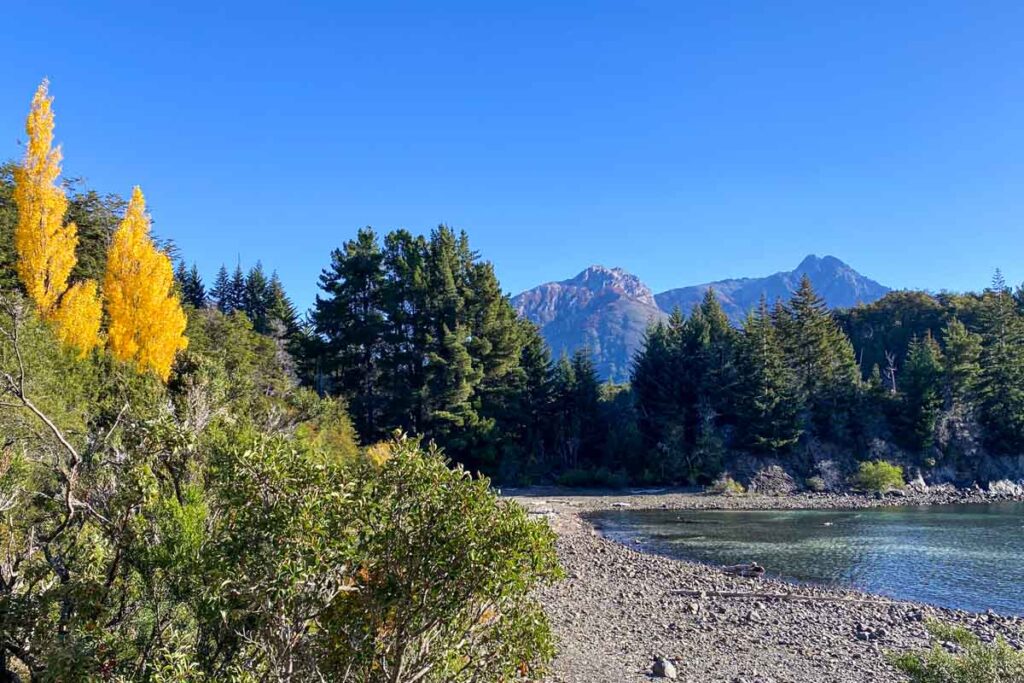
If you’re near the Circuito Chico, there are some nice spots in Tacul Bay and Los Troncos Bay. Playa Sin Viento on the way to Colonia Suiza is also very nice. Playa Bonita is about halfway between Bariloche and the Circuito Chico. Right in town, you have Playa Centro and Playa Centenario.
More Argentina travel
What to do in Buenos Aires: Top sights and must-sees
Buenos Aires off the beaten path
Suggested itinerary for 4 days in Buenos Aires
Itinerary for 3 weeks in Argentina (from Iguazú to Patagonia)
Best of southern Patagonia: 2 weeks in Argentina and Chile
Top 5 day hikes in Bariloche (all difficulty levels)
Refugio Frey via Cerro Catedral: My favorite Bariloche day hike
How to spend 3 days in El Chaltén: The best hikes, food, and places to stay
Loma del Pliegue Tumbado: A seriously underrated hike in El Chaltén