In defense of Chiang Mai, the original digital nomad hotspot
Some links on this page may be affiliate links. That means if you follow one, see something you like, and purchase it, I may receive a small commission at no cost to you. For more information, see this site's disclosures.
If you’ve spent any amount of time looking into location independence, you’ll have quickly discovered that Chiang Mai, Thailand comes up in discussion over and over again. Digital nomads have long raved about the city’s affordable cost of living, fast internet, and easy connections to other destinations in Asia.
It is, perennially, one of the most popular destinations in the world for remote workers. It also features prominently on any first-time Southeast Asia visitor’s itinerary.
Despite Chiang Mai’s longtime status as a digital nomad hotspot and must-visit for travelers, not everyone is immediately smitten.
I first visited Chiang Mai as a young backpacker, and I found myself…underwhelmed? I couldn’t shake the impression that it was fine, but undeserving of its reputation.
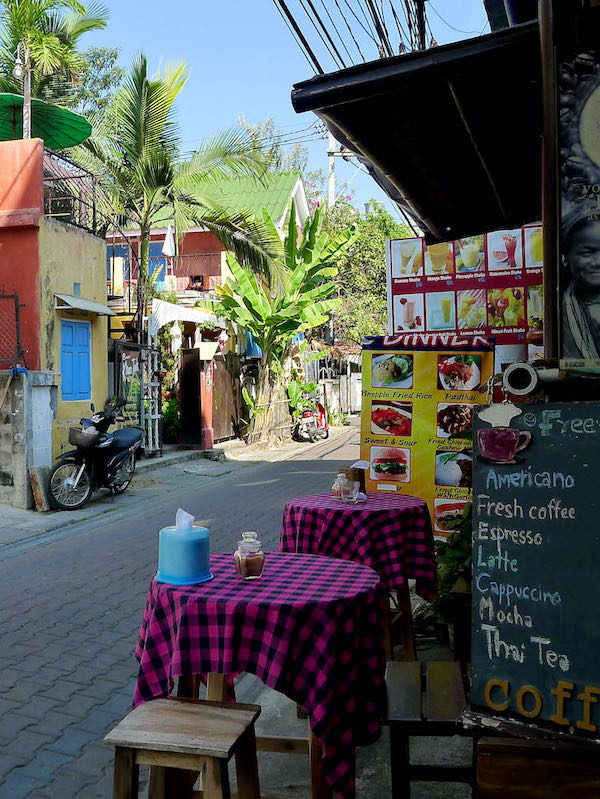
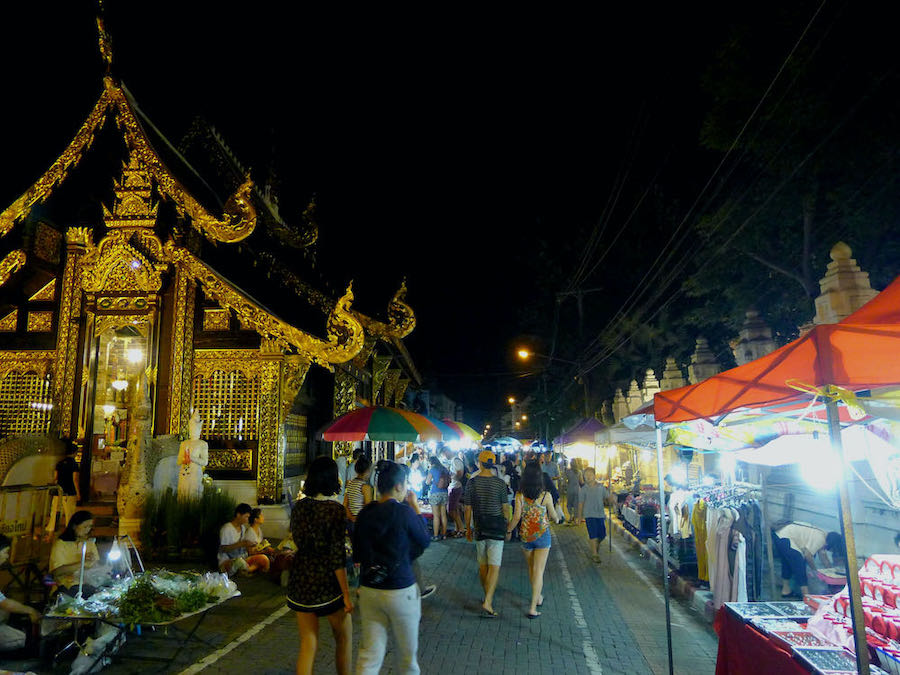
There were delicious smoothies to be had, yes, and night markets to wander, and temples to visit. I hadn’t spent much time traveling around Southeast Asia at that point, but Chiang Mai still just felt a little too touristy. Maybe even a little bit boring.
I also discovered that I wasn’t alone in that assessment. And when I returned five years later… I felt the same way!
So why are there so many digital nomads in Chiang Mai?
Why is Chiang Mai so popular among remote workers, when they could choose to live anywhere? Why do people stay for months on end, and why do they keep coming back year after year?
To be honest, I don’t think I’ll ever understand the ones who move here forever.
Visas are a headache. Traffic is a nightmare. The air quality ranges from “not great” to “worst in the world” from December to May. It is so, so hot. The only truly comfortable months (or weeks, as the case may be) are so busy with tourists that I barely want to leave my room.
It’s just not for me, at least for the long term.
But that’s not what we’re talking about. For a temporary stint, for a home base to explore Southeast Asia, as a place to find your footing or decide if you even want to be a digital nomad… Chiang Mai is fantastic.
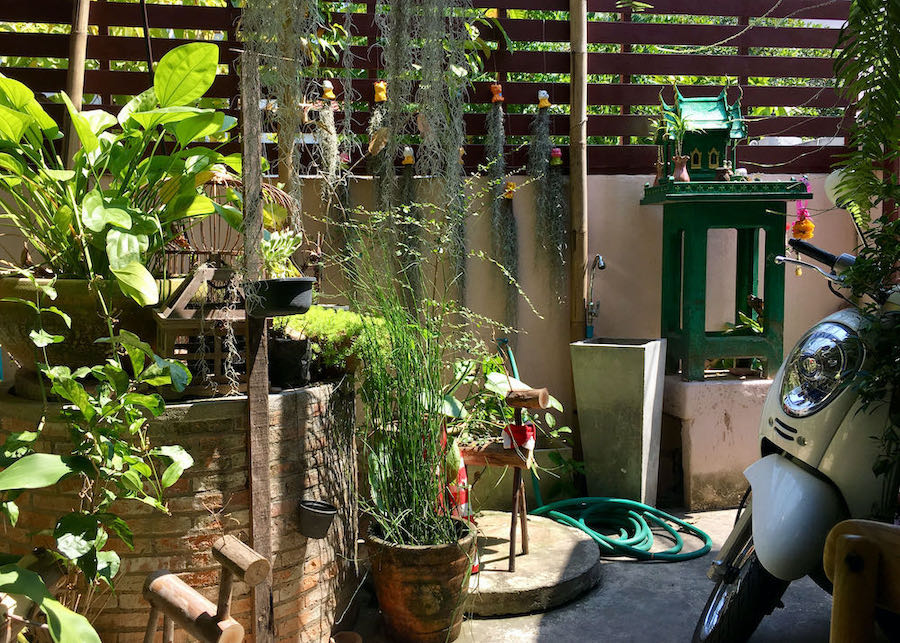
The same things that make Chiang Mai a “meh” destination on the Banana Pancake Trail are exactly what make it a great place to chill out and get stuff done.
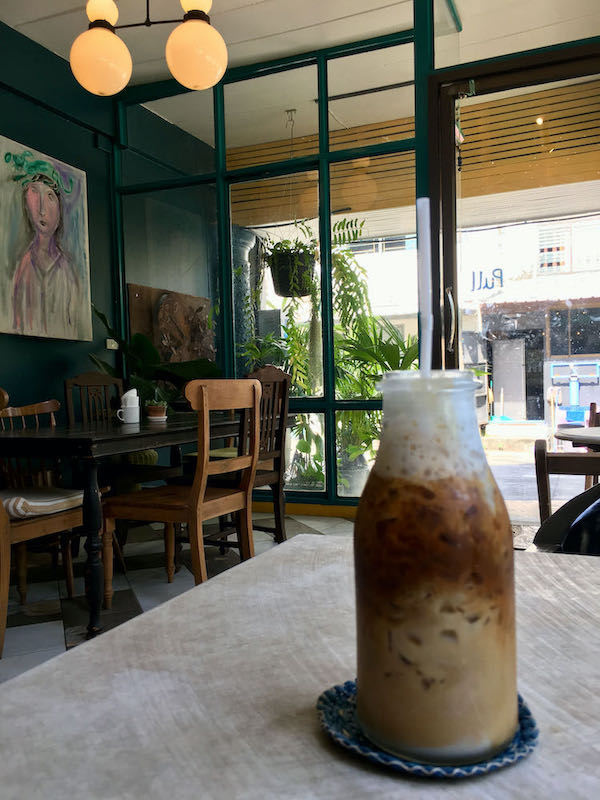
Life moves slowly. There are plenty of ways to fill your leisure time, but not so many that you can’t focus. You’ll never want for a cozy coffee shop.
I’m a Chiang Mai convert, I guess? It’s welcoming, affordable, full of delicious food, located in the middle of beautiful scenery, and generally a pretty easy place to live.
Read on; maybe I’ll convince you too.
The best reason to live in Chiang Mai: Kind, welcoming people
Ok, well obviously the “best” reason to do anything is subjective, but the warm and welcoming culture of northern Thailand is my favorite thing about Chiang Mai. The kindness I’ve experienced here is the main reason I keep coming back.
I’ve been all over the world, and the people here are some of the loveliest I’ve met anywhere. (It’s honestly quite remarkable for such a popular tourist destination, but that’s Thailand for you.) In my experience, the locals’ reputation as welcoming, kind-hearted, and generous is well-deserved.
Of course, being the longstanding digital nomad hotspot that it is, Chiang Mai is also full of freelancers, entrepreneurs, and remote workers from all over the world.
There are endless opportunities to make friends (or “network,” if you’re into that). It’s normal to strike up a conversation with the person at the next table or spin bike. There are near-daily opportunities to meet others through social events, co-working, meet-ups, and conferences.
This is another one of the main reasons Chiang Mai is so popular (and another reason I think it’s so great for a newbie nomad). The location independent lifestyle, despite all of its advantages, can be lonely at times. In general, Chiang Mai is a very welcoming place where it’s easy to find a like-minded community.
The basics: Chiang Mai has affordable rent and fast internet.
These are usually the first things any current or aspiring digital nomad wants to know. Fortunately, Chiang Mai gets great scores on both counts.
Affordable month-to-month accommodation options
There is no shortage of safe and comfortable places to live in Chiang Mai, whether your budget is tight or comfortable.
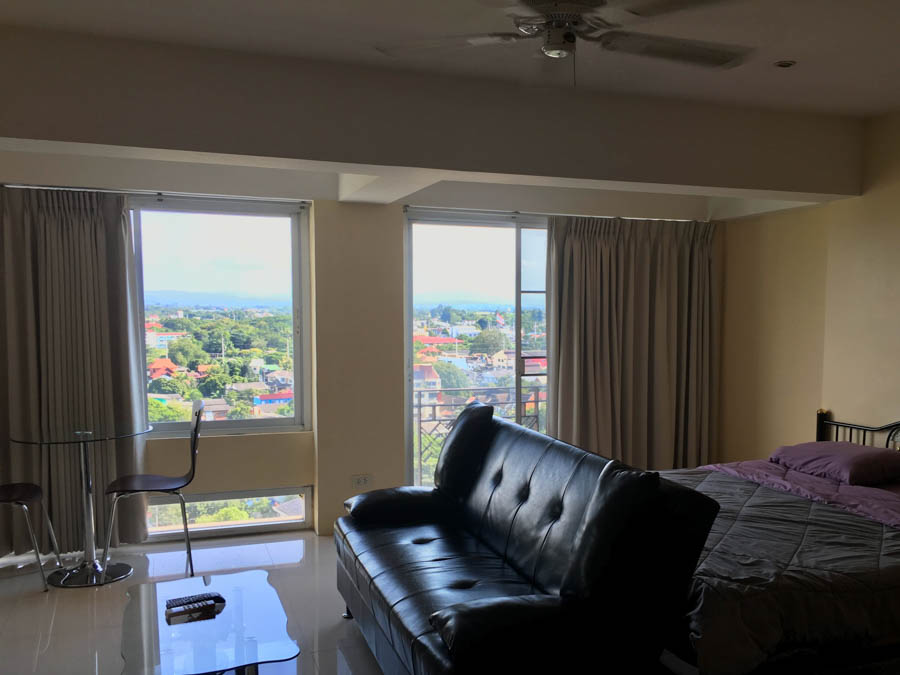
You can find a simple ensuite room in a neighborhood like Santitham or Jed Yod for about $150 USD per month. These rooms usually have a fridge and microwave, but nowhere to cook.
A one-bedroom in a trendy neighborhood such as Nimmanhaemin costs approximately $350-400 USD per month, usually with a pool and gym in the building.
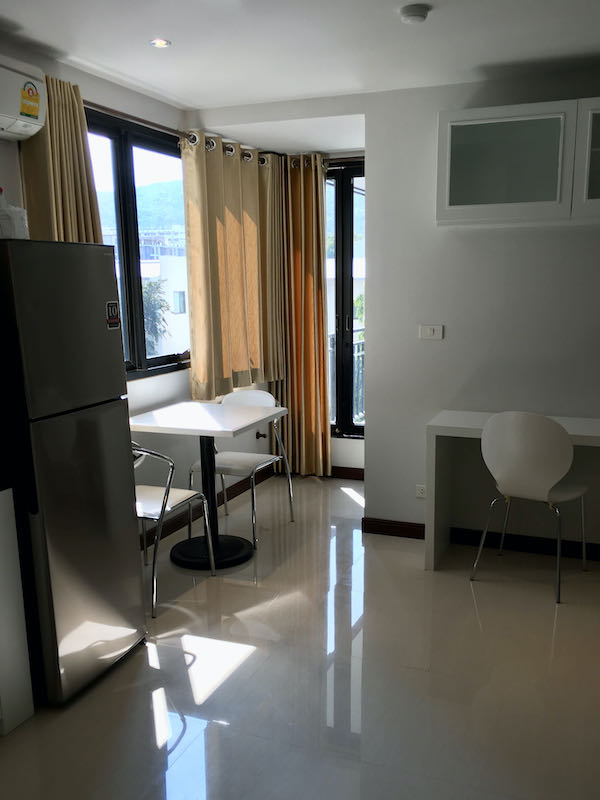
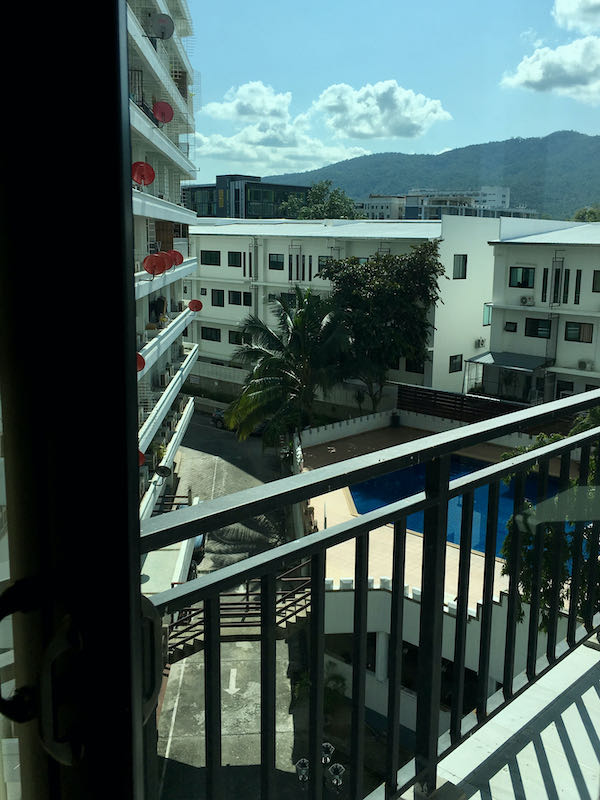
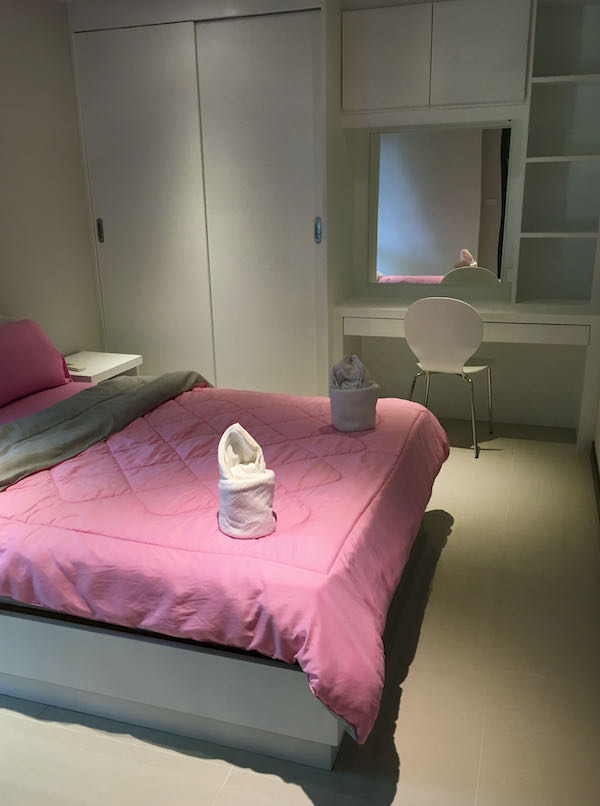
I’ve always gone the cheaper route, and I’ve been happy and comfortable in my little studios. I prefer to spend money on a full gym membership than to have a small one right in the building. I sometimes buy day passes for hotel pools when I feel like swimming.
And as I will discuss below, there is really no need to cook in Chiang Mai, ever. If you enjoy cooking, though, it’s probably worth spending a bit more to have that option.
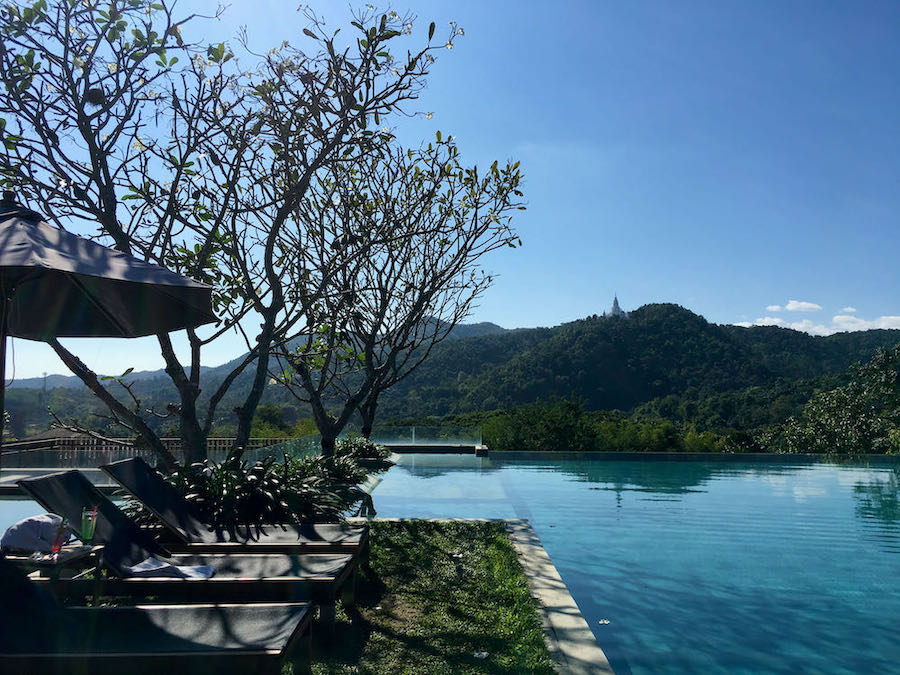
Another option is to rent a house, by yourself or with others (depending on your budget and preferences). It’s possible to find the rare house in one of the busier neighborhoods such as Nimman or Santitham. More often, though, renting a house will require driving to shops and restaurants (though often for just a few minutes).
Other popular neighborhoods for longer stays include the Suthep and Pong Noi areas closer to the mountain.
The Old City (the area inside the moat) tends to have more short-term (i.e. nightly) accommodation for tourists, but I’ve occasionally seen signs for monthly rentals.
East of the moat you’ll find a lot of higher-end hotels, but also some nicer apartment complexes with great views of the city and Doi Suthep.
Important note about “burning season” in northern Thailand
Due to agricultural burning in this region and the horrendous air quality that results, I do not recommend staying in Chiang Mai from approximately February – May. The burning used to be mostly limited to March/April, but every year it seems to start earlier and end later.
On some days, Chiang Mai has the dubious honor of having the worst air quality in the world. It’s difficult (and on the worst days, dangerous) to exercise and unpleasant to be anywhere outside. (Frankly, it’s unpleasant to be inside unless you have an air purifier).
March, April, and May are also the hottest months of the year, so this is an ideal time to escape to another part of Thailand or Southeast Asia if you can afford it. This is something to consider when deciding what kind of lease to sign.
Fast and affordable internet
Internet speeds in Chiang Mai tend to range from fast to blazing fast. Many short-term rentals include wifi, and mobile data is inexpensive. Some people even rely exclusively on mobile data and just use a hotspot for their laptop at home.
I’ve found AIS to have the best coverage, both in Chiang Mai and while traveling to other parts of Thailand. There is a large AIS store in MAYA Mall where you can speak to someone in English about various plans and choose the best one for your needs. I typically spend about $6 USD per month on mobile data, and even that is far more than I need.
Chiang Mai also has plenty of beautiful cafés and coworking spaces to choose from, depending on what kind of environment you prefer.
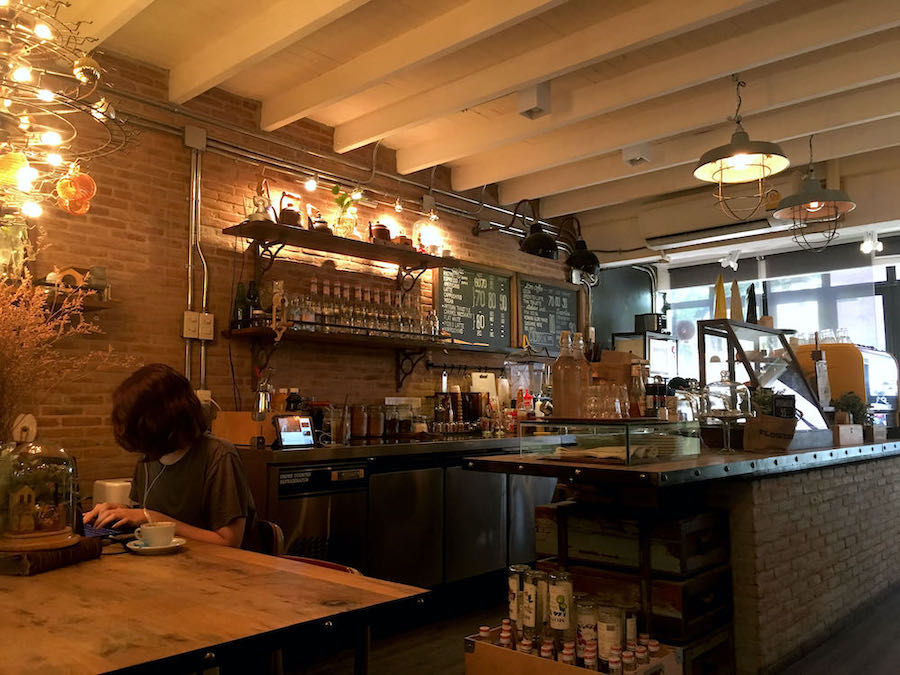
I am not much of a coworking person myself, but Yellow in Nimman seems to be the place to be these days. Also check out Punspace and C.A.M.P. in MAYA Mall.
Chiang Mai is a great base for exploring northern Thailand.
One of the most wonderful things about Chiang Mai is its beautiful setting in Thailand’s mountainous north. Nature is so easily accessible by scooter! Of course, you can also arrange a car and driver if you don’t want to ride a motorbike.
(If you do want to and you don’t have an International Driving Permit with a motorcycle endorsement, I highly recommend taking a course at the Honda Safety Riding Park in Chiang Mai. They’ll teach you to ride and help you get your Thai motorcycle license. It only takes a few days, it’s a fun way to meet people, and you’ll be legal as you head out on your adventures.)

For a day trip, consider checking out the Sticky Waterfalls in Mae Taeng or the peaceful farming community of Mon Cham (also spelled Mon Jam).
A longer drive (though still doable in a day) is the trip to Lampang’s incredible “Floating Pagodas.”

You could also spend a day circling the Samoeng Loop or visiting Doi Inthanon, the highest peak in Thailand.
For an overnight escape or weekend trip, relax in peaceful, stunning Chiang Dao or rent a floating cabin in Sri Lanna National Park. Alternatively, brave the notorious 762 curves on the mountain road to the hippie haven of Pai.

Of course, the most famous route in northern Thailand is the four-day Mae Hong Son Loop. This trip takes you through Mae Sariang, Mae Hong Son, and Pai.
Other potential multi-day trips include Mae Salong, Chiang Rai, and Pu Chi Fa (on the Laotian border).
For more on these trip ideas, check out my post on the best single- and multi-day motorbike trips from Chiang Mai.
Chiang Mai is a great place to stay (or get) fit and healthy.
Burning season notwithstanding, Chiang Mai is an incredibly easy place to stay in shape and eat well. Healthy food is easy to find, and there are gyms, fitness classes, and yoga studios for every budget.
The food scene is amazing!
Of course, everyone knows about Thailand’s legendary street food culture. In Chiang Mai, there are also new restaurants and cafés popping up literally every month.
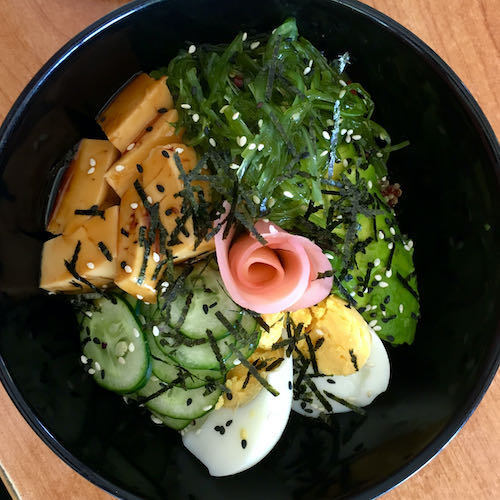
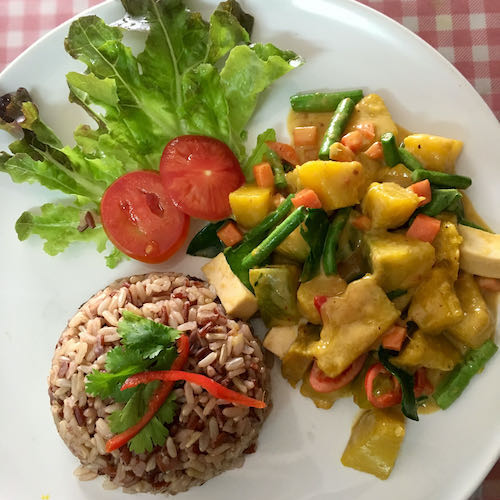
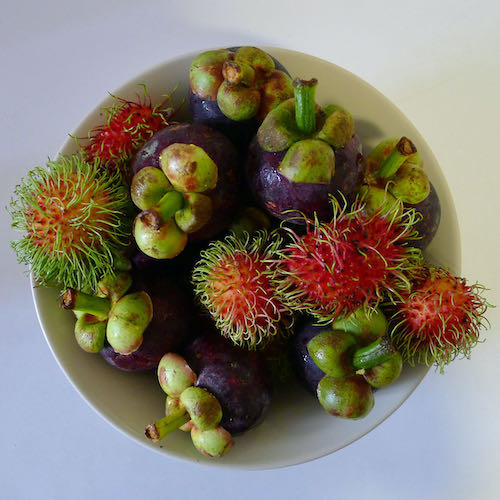
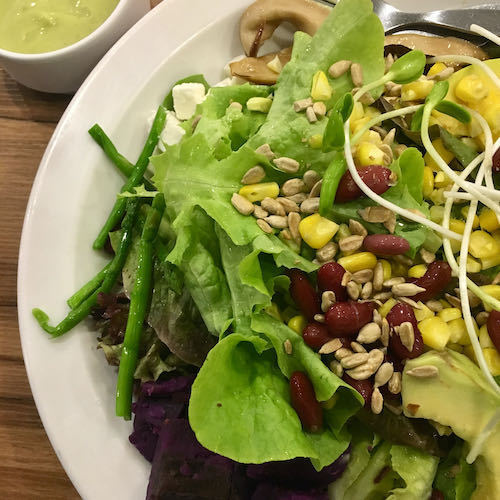
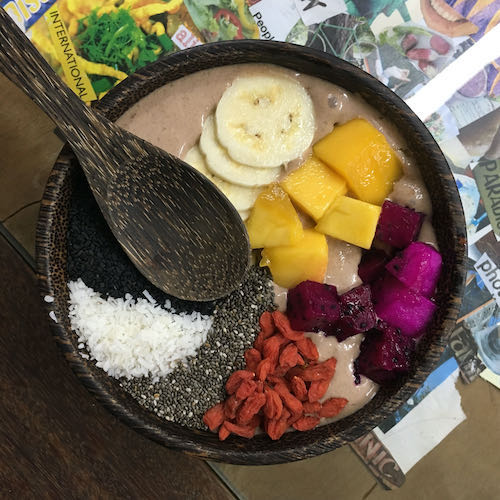
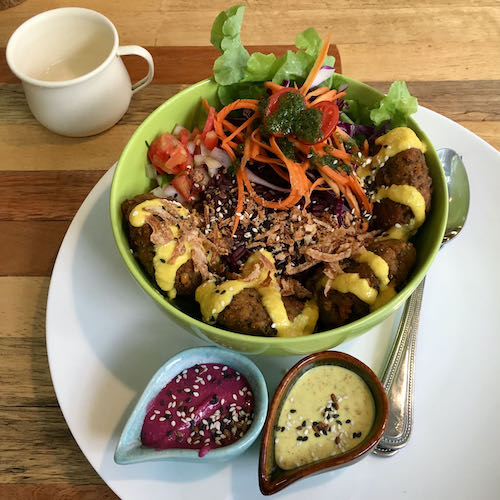
This is also a fantastic place to eat well as a vegan or vegetarian. I have never lived anywhere where a plant-based diet was so easy, affordable, and delicious.
Fitness options abound – even for those staying short-term.
Many of the nicer apartment complexes in Chiang Mai have fitness rooms, and there are plenty of affordable gyms throughout town. You can also find yoga studios, Muay Thai classes, and a great CrossFit community.
Gym day passes and long-term memberships
For those staying long term, you may want to opt for a monthly or annual membership. Many gyms allow you to pause an annual membership for a certain amount of time and start up again when you return to Chiang Mai. Some also allow you to transfer the remainder of your membership to someone else when you leave (usually for a small fee). Even if your plans are uncertain, you may still find that an annual membership is worth the money if you’re a real gym rat.
You also often have the option to pay per visit (around 60-200 baht, in my experience). This is a great way to try out a few different gyms before committing to a membership. It’s also the cheaper way to go if you only use the gym occasionally or if you don’t plan to stay long in Chiang Mai. Day passes usually include access to group fitness classes as well, which allows you to try different workouts and instructors!
Some higher-end gyms will also include a few free personal training sessions when you join. Even if they’re not included in your membership, though, you can find affordable personal trainers in Chiang Mai pretty easily.
CrossFit, yoga, Muay Thai, and more
Chiang Mai also has a large and welcoming CrossFit community. I went to a free women’s workout offered one weekend, having never tried Crossfit before, and had a great time!
There are plenty of options for Muay Thai, as well as a Brazilian Jiu Jitsu center with a good reputation and a Hand-to-Hand Combat studio that can sponsor education visas.
There are also more yoga studios than I could possibly list here. However you prefer to stay fit, Chiang Mai has you covered!
Affordable, quality massages on nearly every block
And for post-workout (or post-sitting-at-your-laptop-all-day, or post-multi-day-motorbike-trip), you will find traditional Thai massage shops on nearly every corner. There are certainly plenty of upscale, spa-like options, but you can often get a very good massage at whatever room with a mattress on the floor you find in your neighborhood.
Often these neighborhood places offer massages for 200-250 baht (though it’s nice to add a healthy tip). The quality will vary, but for the price it doesn’t hurt to try a few places.
Chiang Mai is the perfect place to learn about northern Thai culture.
The city offers endless opportunities to immerse yourself in Thai culture, whether that be through education, festivals, or food.
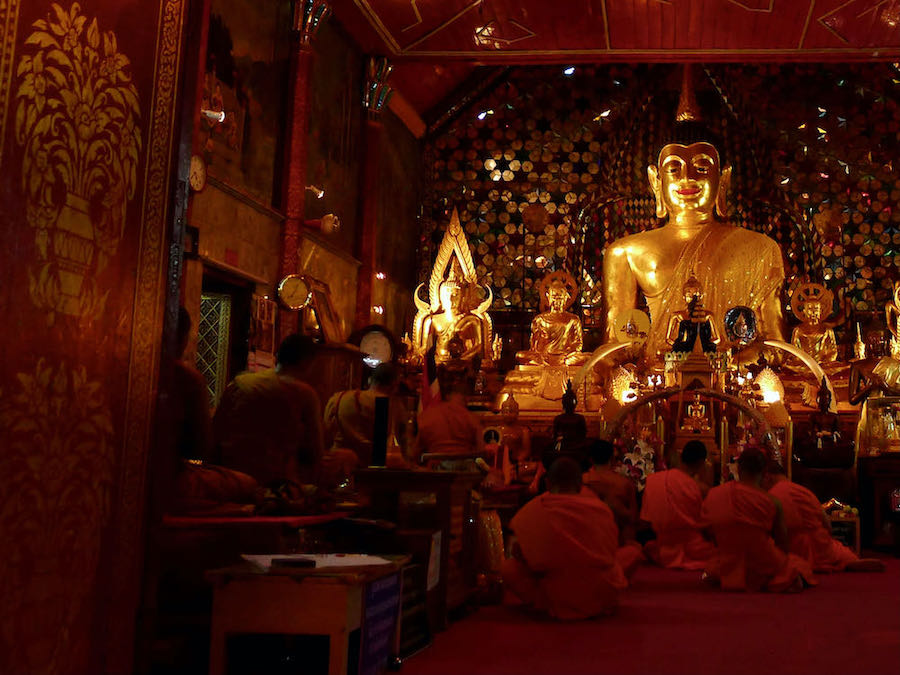
Buddhist temples
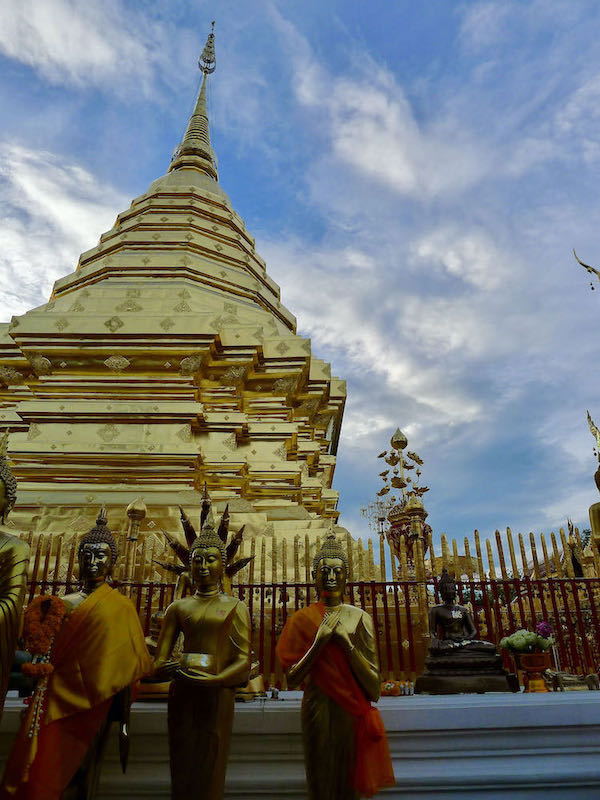
There are over 100 beautiful wats scattered all over Chiang Mai, both inside and outside the moat.
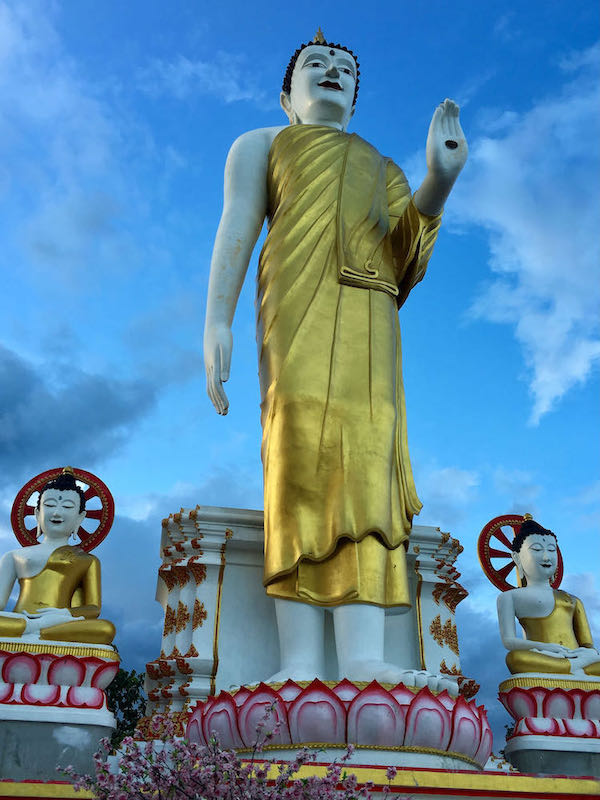
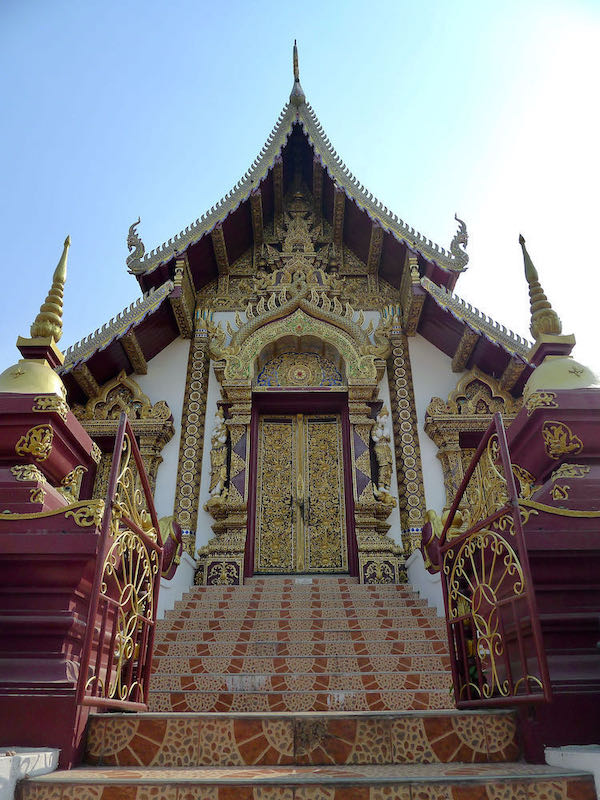
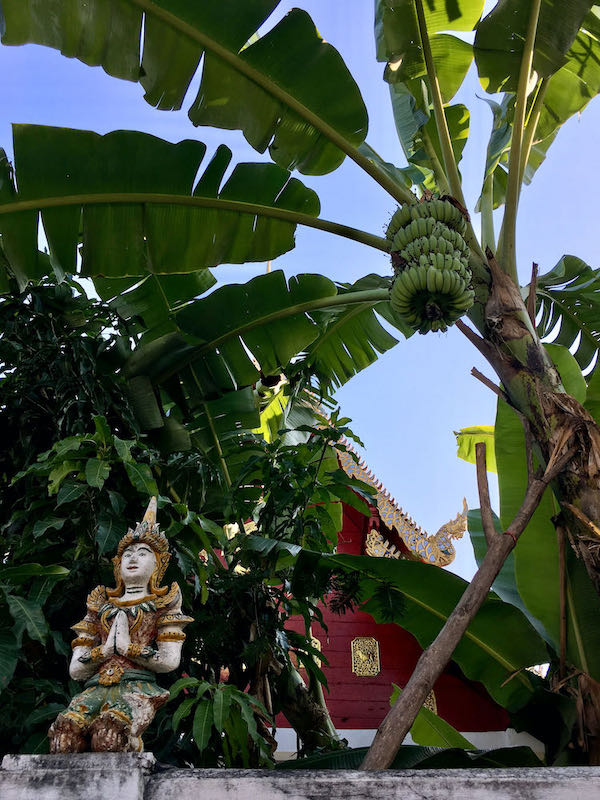
You’ll stumble upon plenty just by wandering around, but some Old City highlights include Wat Chiang Man, Wat Chedi Luang, and Wat Phra Singh.
Wat Pha Lat is a beautiful temple tucked away on the mountainside. You can access it by car or scooter, but the best way is via an easy, peaceful hike through the forest.
Of course, you shouldn’t miss a trip up to Wat Phra That Doi Suthep, which overlooks the city.
Beautiful and unique festivals
With flexible schedules, digital nomads can time their stay in Chiang Mai to experience some of its best celebrations.
If you’re lucky enough to be in Chiang Mai in November, you’ll be treated not only to perfect weather, but also to two of the world’s most beautiful festivals, Loi Krathong and Yi Peng.
And if you’re unlucky enough to be there in April, the bright side is that you’ll get to experience Songkran, the nationwide water fight that is Thailand’s New Year festival.
Loi Krathong and Yi Peng
Loi Krathong and Yi Peng fall on the full moon of the 12th month of the lunar calendar. (The exact dates vary from year to year, but this almost always falls in November.)
To celebrate Yi Peng, people release floating lanterns into the sky, making for an incredibly moving sight. The lanterns represent both letting go of past mistakes and misfortunes and making a wish for the year going forward.
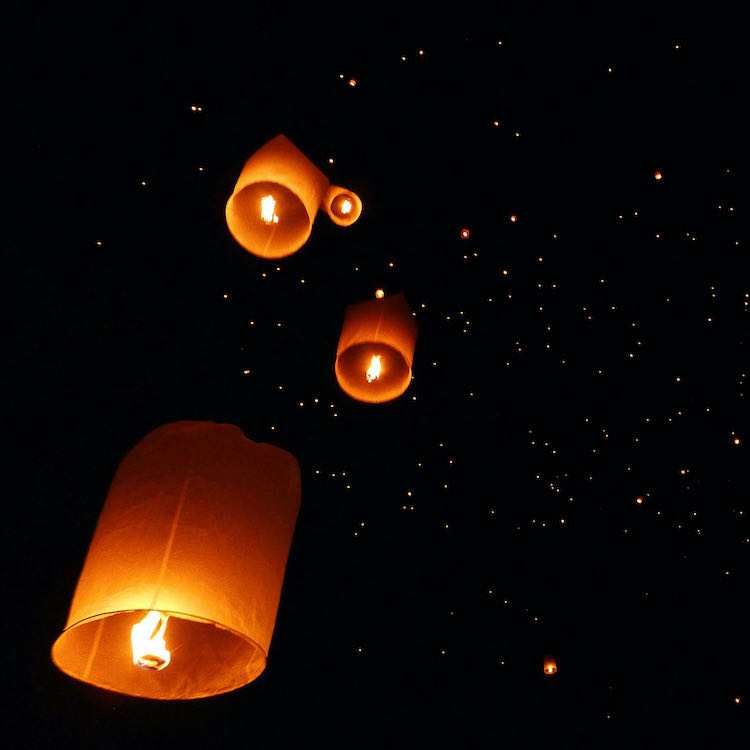

Although many people associate Loi Krathong with the sky lantern release, this holiday is actually celebrated by releasing small floating vessels (called krathongs) into a river or other body of water. Krathongs are typically made of banana leaves, flowers, candles, incense, and other decorations. The meaning of this act can vary, with many viewing krathongs as offerings to the Thai water goddess at the end of the rainy season. (Some may also apologize and ask forgiveness for polluting the water.)
Others view the krathong release similarly to the sky lanterns: a symbolic letting go of negative emotions and experiences.
People sell and release krathongs all around Chiang Mai’s moat and the Ping River. Sky lanterns, despite technically being illegal within the city, are typically released on various bridges over the Ping. There is also a large lantern release at Doi Saket Lakes, about 30-45 minutes northeast of the Old City.
There is no need to spend hundreds of dollars on a ticket for an organized event. The festivals are free, and you can experience them all over Chiang Mai. (Consider just watching, though, as the beautiful floating lanterns are unfortunately a bit of an environmental hazard.)
Songkran New Year Water Festival
As mentioned above, many digital nomads avoid Chiang Mai in April due to the intense heat and poor air quality.
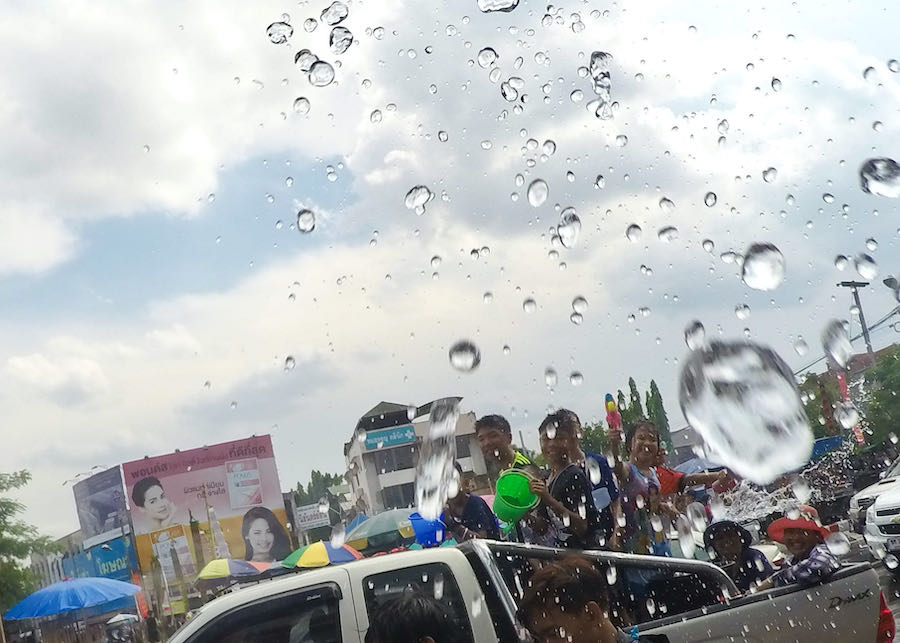
If you do happen to be in Chiang Mai during this season, however, you will have a blast during Songkran, the citywide pool party that is Thailand’s New Year festival. (But to be clear – you don’t have to choke on pollution to celebrate Songkran. The festival is celebrated all over Thailand!)
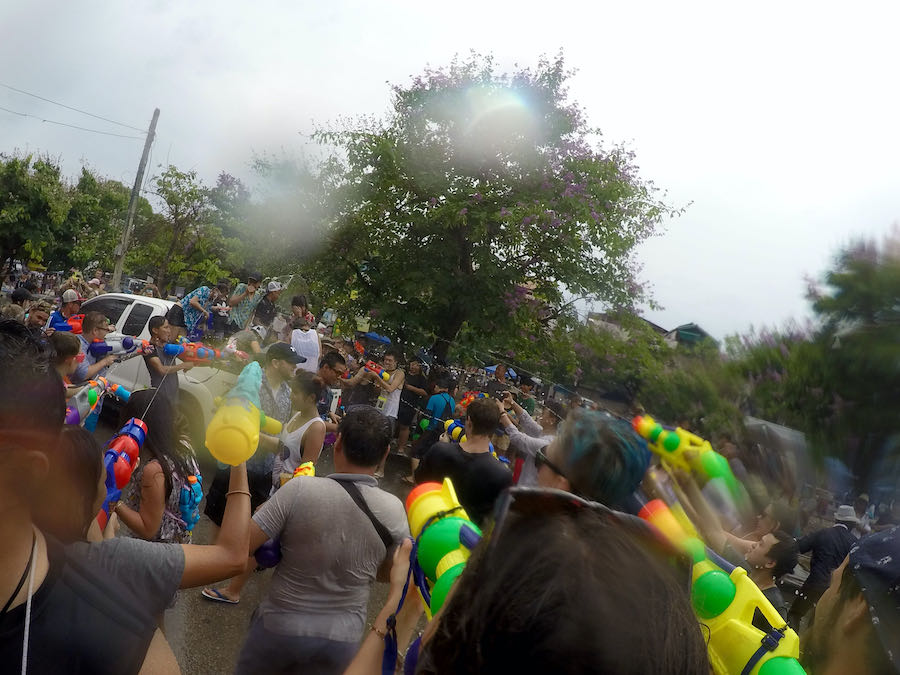
You’ll start to see water guns and buckets prominently displayed at shops all over the city a week or two before the New Year. The holiday itself is basically a multi-day water fight, and it is one of the most fun things you’ll ever experience!
For three (or more) days, people walk and drive through the city with buckets, super soakers, and often a fair bit of alcohol. Homes and businesses set up kiddie pools, hoses, and water-filling stations. (Just make sure you use clean water, and whatever you do, do not fill your water guns or buckets with moat water! Nobody wants to ruin their fun memories suffering with a stomach bug for days or weeks afterwards.)
Language, massage, Muay Thai, and cooking classes
Chiang Mai has many language schools offering Thai classes and education visa sponsorship.
Muay Thai is another popular activity for people who are able to spend at least a few months here to train.
There are also many opportunities to take courses in traditional Thai massage.
And if you want to continue eating delicious Thai food when you move on in your digital nomad journey, make sure to sign up for a few cooking classes. You’ll often get to pick your own ingredients at a local market before learning to prepare your favorite traditional dishes. (If you’d prefer to just eat, rather than cook, check out one of Chiang Mai’s many night markets in the next section!)
Amazing markets to explore
You could spend days wandering through Chiang Mai’s markets, checking out local handicrafts and sampling all kinds of Thai cuisine. There is always something new to discover.
Chiang Mai’s famous weekend markets (Saturday Wualai “walking street” and Sunday Thapae “walking street”) are geared towards tourists. They’re packed with souvenir stalls, but they also have plenty of food.

There are evening street stalls in Santitham along Hussadhisawee and Santitham roads. There are also nightly food stalls at the north and south gates of the Old City for delicious, budget-friendly dinners.
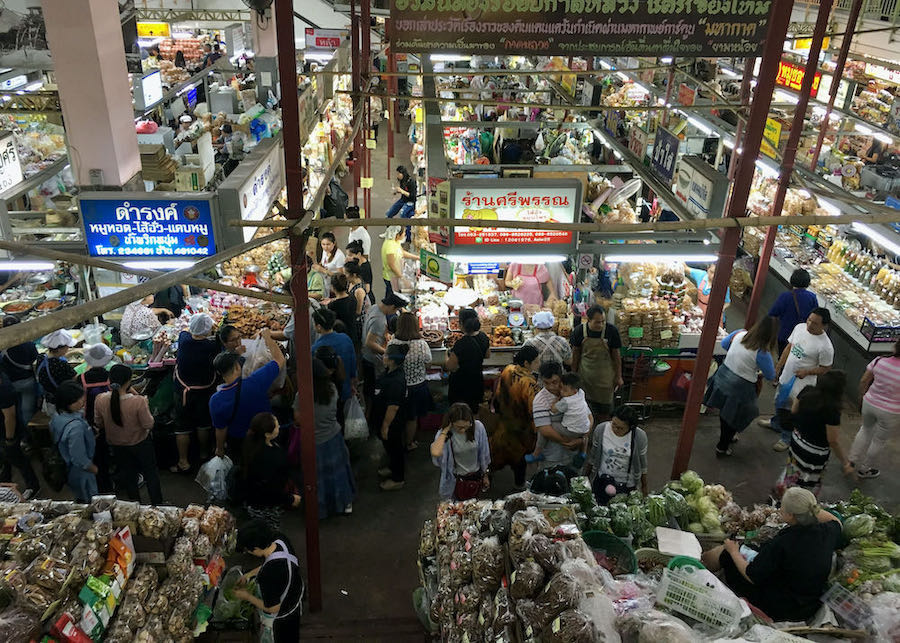
For fabric, food, spices, home goods, toys, and much more, visit the sprawling, three-story Warorot (Kad Luang) Market. Even if you don’t need anything, it’s a fascinating place to wander for an hour or so.
Other interesting markets around town:
Jing Jai (JJ) Market. This is a small collection of cafes and shops that also hosts a weekend farmer’s market.
Kham Thiang flower market. If you’re looking to spruce up your accommodation, this is your place!
Chiang Mai Night Bazaar. This one is pretty touristy, but it can still be a good place to pick up gifts and souvenirs. The Ploen Ruedee food market is close by.
Baan Kang Wat market. This artist market is a lovely place to spend a relaxing morning. Here you can find unique clothing, homemade jewelry, accessories, paintings, baked goods, jam, and other handicrafts to bring home. There are also several nice cafes on the grounds serving breakfast and great coffee.

Rincome night market. This evening market next to Maya Mall has food, clothing, and accessories. It’s popular with local university students and doesn’t have the touristy feel of some of the other night markets.
Thanin (Siri-Wattana) Market in Santitham. If you live nearby, this is a good place to pick up fruit, veggies, nuts, and other staples. There are also food stalls nearby and stands selling pre-prepared dishes.
* * *
There is a lot more to see and do here than you could ever fit in on a short visit. Spending a few months here will give you a chance to delve deeper, build connections, learn some Thai, and really experience all that Chiang Mai has to offer. And that is, of course, one of the best things about being a digital nomad!
For more on Thailand:
The best motorbike trips from Chiang Mai: My top 10 picks
A guide to the Mae Hong Son Loop: Thailand’s most famous road trip
Riding the Mae Salong Loop by motorbike from Chiang Mai
Visiting Chiang Dao and the Sticky Waterfalls on a 3-day scooter loop
Should you book a liveaboard to dive in the Similan Islands?
Guide to staying overnight in Khao Sok National Park’s floating bungalows
My recommended three-week itinerary for first-time visitors to Thailand