Similan Islands diving: A fantastic first liveaboard experience
Some links on this page may be affiliate links. That means if you follow one, see something you like, and purchase it, I may receive a small commission at no cost to you. For more information, see this site's disclosures.
All the reasons diving in the Similan Islands makes for a great introduction to liveaboard life. If you’re an experienced diver, you’ll probably prefer to just visit Richelieu Rock and maybe Koh Tachai. If you’re relatively new to the underwater world, though, I highly recommend a longer trip. You’ll have a great time and leave the boat a much more confident diver!

As any cursory research into diving in Thailand will tell you, the Similan and Surin Islands are widely considered to be the best diving in the country. The crown jewel, of course, is Richelieu Rock, which often lands on lists of the best dive sites in the entire world!
You may have also seen, though, that much of the coral around the archipelago is damaged and that the area has suffered from overfishing.
All of this is true. Somehow, though, Richelieu Rock remains an absolutely world-class dive site, with beautiful coral and more fish than I think I’ve ever seen on one dive.
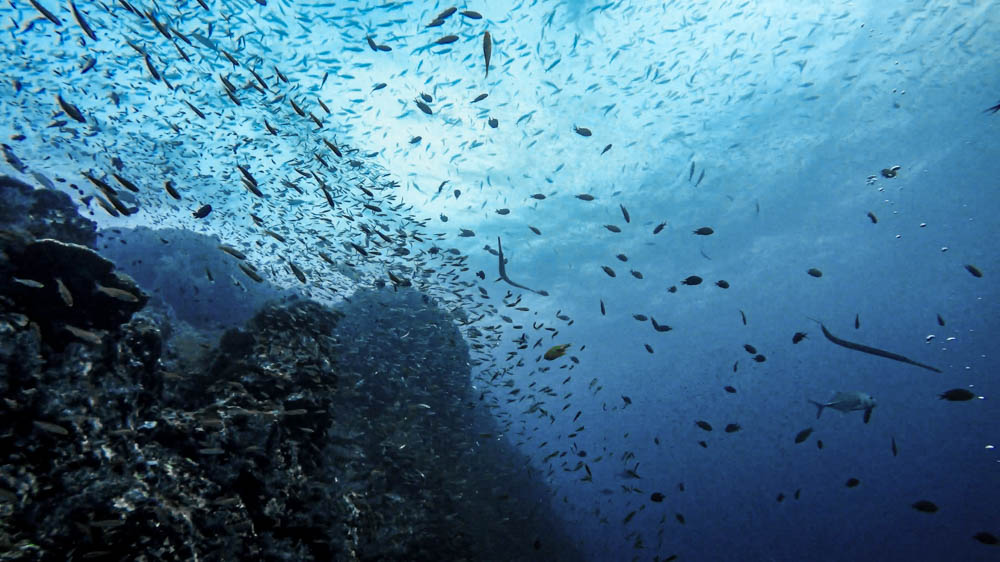
In my opinion, it’s still worth diving the Similan Islands beyond just Richelieu, especially if you’re a relatively new diver. I went on my very first liveaboard here, and I had a wonderful time. I saw some incredible marine life, became a much better diver, and met a lot of great people!
Liveaboards generally depart from Khao Lak, Phuket, or Ranong. It is sometimes, but not always, possible to dive Richelieu Rock by speedboat from Khao Lak.
If you’re an experienced diver with lots of liveaboards under your belt, I would honestly just go for the shortest option that includes Richelieu Rock. (You can look at Divebooker and filter by trips of 4 nights or fewer to get a sense of your options.)
Richelieu – which is actually closer to the Surin Islands – is almost universally recognized as the best dive site in Thailand. (And after diving in the Similans, Koh Lanta, Koh Lipe, and Koh Tao, I agree with the general consensus.)
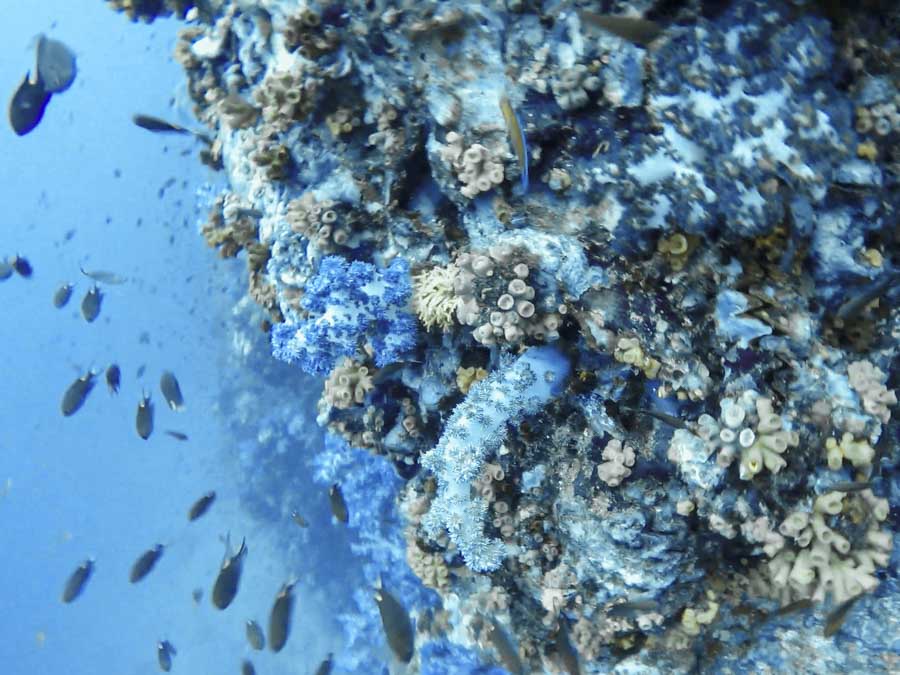
The rest of the dive sites in the Similan and Surin Islands are, to be frank, probably not going to impress you very much if you’re used to diving in healthier waters.
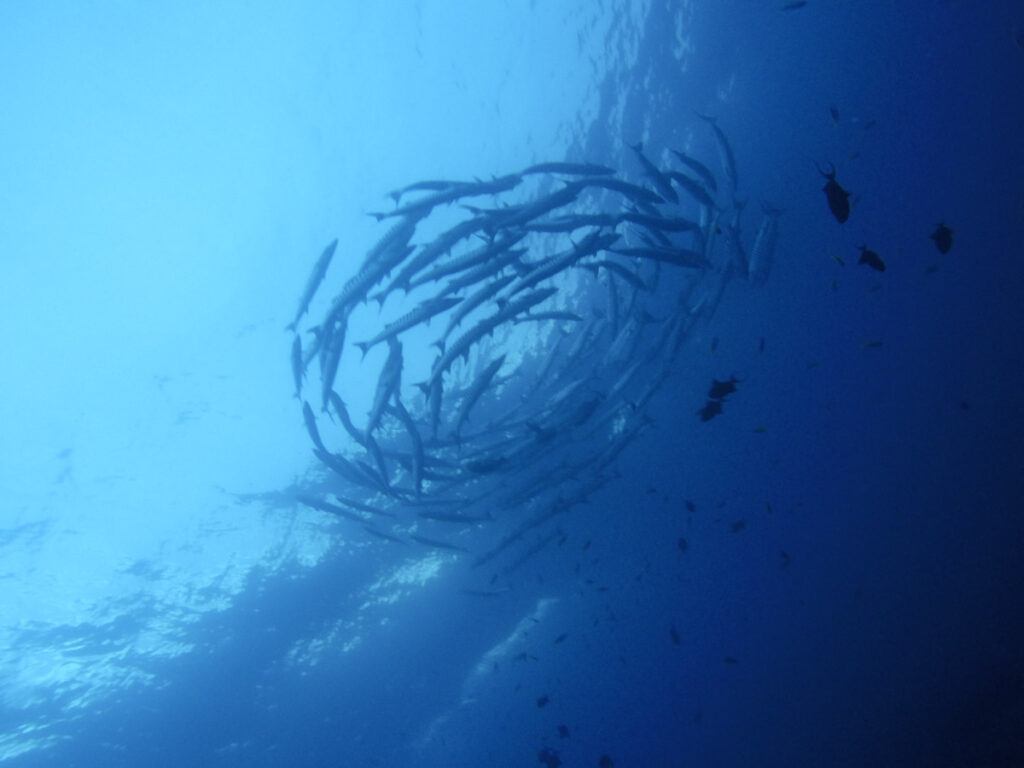
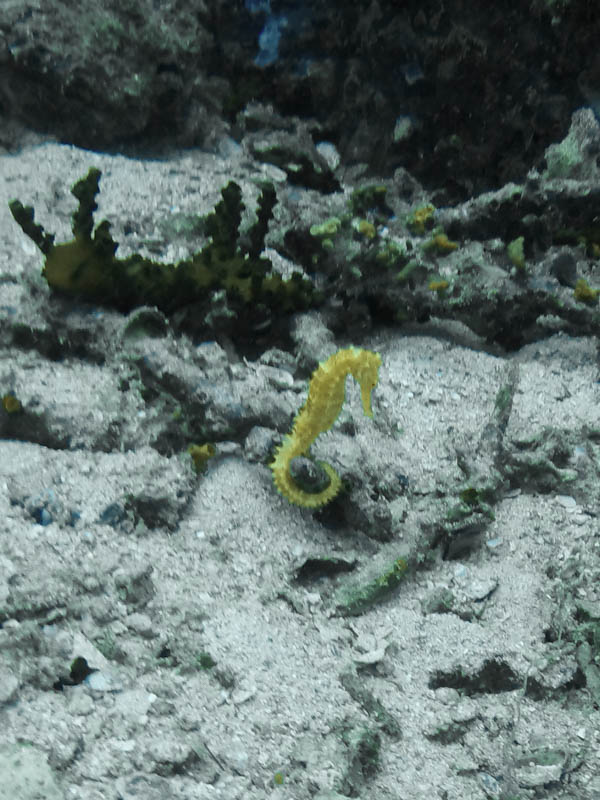
Of course, there is still a lot to see here, including large fish like barracudas and giant trevallies, lots of cephalopods and moral eels, and small creatures like seahorses.
With a bit of luck in the right season, it’s not uncommon to spot whale sharks and manta rays in these waters.

But because they also make appearances elsewhere in Thailand (including nearby Phuket and Koh Lanta, where the coral is healthier), I’m not sure a liveaboard – even a very affordable one – is justified here.
However (and this is a big caveat)…
If you’re a relatively new diver, a Similan Islands liveaboard is a fantastic experience.
I say this as someone who booked one with only 23 dives under my belt.
There are a few reasons for this:
1. You will become a much better diver very quickly.
A liveaboard is an excellent way to improve your diving skills – fast. I was surprised by how much more comfortable I was in the water after just a few days. Four dives a day will do that!

If you’ve never been on a liveaboard, you might be thinking four dives a day is… kind of a lot. And it is, but I think you’ll be surprised by how easy it is to fall into a rhythm.
You literally have nothing else to worry about, nothing else to take care of, no shopping or cooking or laundry or travel planning to do. You wake up, dive, eat, and relax on the boat – and repeat – until it’s time for bed.
You’ll chat with other divers – many of them more experienced than you – in your down time. You’ll get a lot of great tips and advice – everyone was a newbie once!
And with that kind of practice and that kind of forced focus, your skills and your confidence under the water are all bound to improve.


2. Similan Islands liveaboards are as budget friendly as they get.
Liveaboards are a lot of wonderful things, but “cheap” is generally not one of them. Diving is an expensive hobby.
However, budget liveaboards in the Similan and Surin Islands are some of the most affordable ones you’ll find anywhere in the world.
If you’re looking for an ensuite cabin and gourmet meals, this will cease to be the case. But when you factor in the cost of dives, food, and accommodation (even in a generally inexpensive country like Thailand), a basic liveaboard usually isn’t going to run you any more than what you’d spend diving from the mainland.

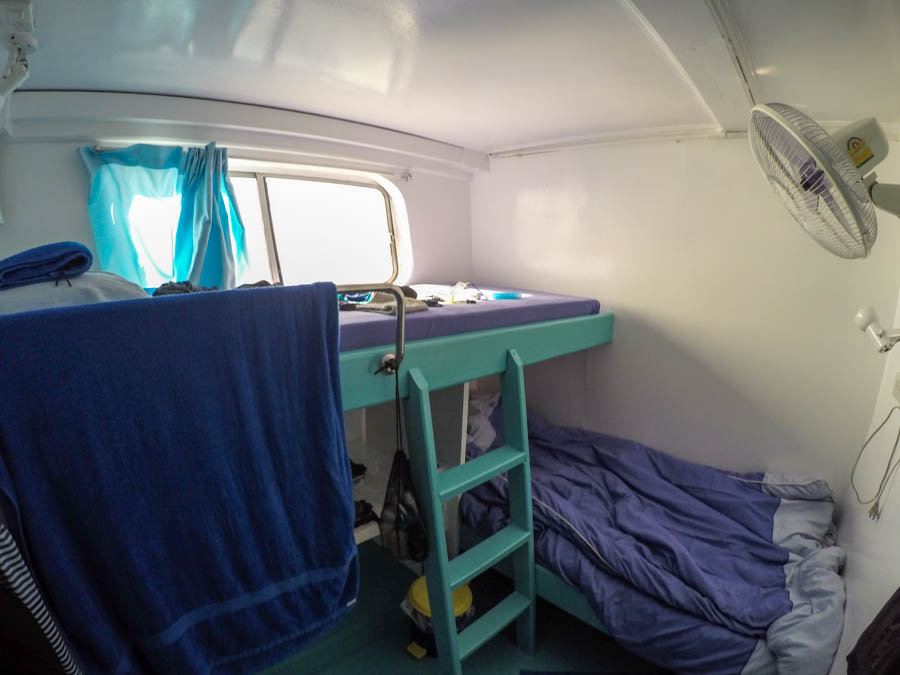
Of course, you’re unlikely to do four dives in a day on the mainland, and you probably won’t be staying in a 7-square-meter twin room. But all things considered, if your focus is diving, you’re probably coming out ahead on the liveaboard.
And then of course there are the intangibles – the experience of living on a boat for five or six days, getting to know your fellow divers, chatting with the onboard instructors and divemasters. It’s such a fun and unique experience.
And even in the unlikely event you decide it isn’t for you – well, at least you won’t have spent a fortune to figure that out.
3. As a new diver, you’re easy to impress!
When you take your first breath underwater, everything is magic. Even your own air bubbles are fascinating.
Coral and fish that might seem run-of-the-mill to a more experienced, well-traveled diver still seem astonishing when you’re new to the whole thing.
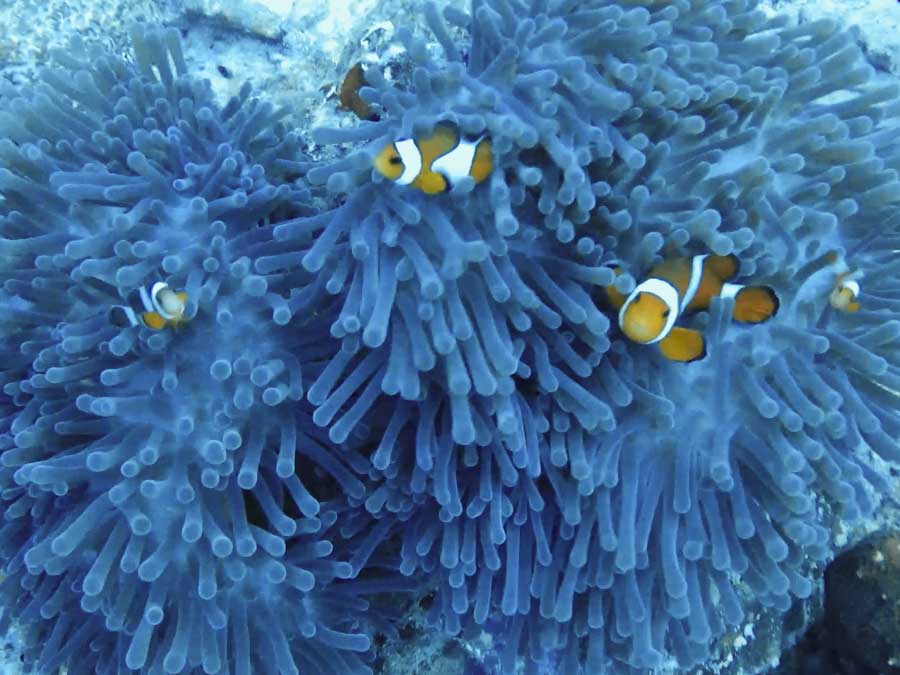
So who really cares if this isn’t as good as diving in the Philippines or the Red Sea? There are still so many cool things to see and discover – shoals of big and small fish, sea turtles, octopuses, and more. This isn’t really the place for macro life, but that’s just as well – beginner divers usually aren’t all that interested in the small stuff. And again, you might get lucky and spot manta rays or whale sharks!
4. Generally, diving in the Similans is beginner friendly.
To be clear, I am not suggesting that you hop on a liveaboard right after your Open Water course. It’s better to be Advanced Open Water certified, and I would recommend perhaps doing 10-15 regular fun dives beyond that before you head to the Similans. (Most liveaboards will either require Advanced certification or ask you to do the deep dive portion of the course with an instructor onboard.)
There were quite a few divers on my boat who had between 20 and 25 dives when we set out, myself included. One person was doing his Advanced Open Water certification on the trip. I think many of us were at a point where we had the basics down but wanted to improve certain skills, whether that was buoyancy control or managing air consumption.
Related to my last point, the first few dives in particular were a great time do to that. They were, frankly, not that interesting.

I was still getting used to my rental equipment, trialing different amounts of weight, and figuring out how to manage my buoyancy. This was easier when I wasn’t distracted by all the shiny things around me. (Even though it was honestly quite depressing how few shiny things there were around me…)
It’s also worth mentioning that although there is sometimes moderate current in the Similan Islands, many itineraries will start with dive sites that have little to no current and visit the more challenging ones later in the trip. (For instance, Richelieu Rock is often saved for the second-to-last day. You’ll be more comfortable by then – and it’s better to save the best for last anyway!)
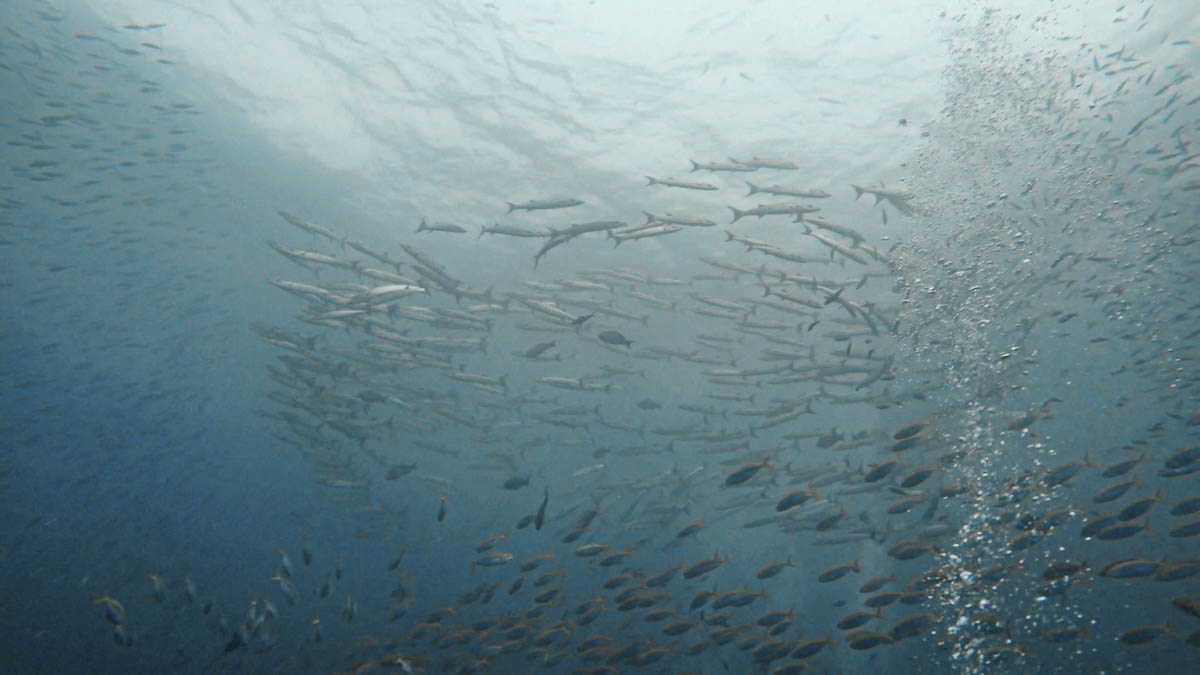
Overall, the dive sites in the Similan and Surin Islands are not considered particularly challenging. If the current is strong, your divemasters are there to help and guide you!
When is the best time to dive in the Similan Islands?
The Similan and Surin Islands National Marine Parks open every year on October 15 and close on May 15.
The end of the rainy season on Thailand’s Andaman coast is a bit unpredictable. Even though the typhoon risk will have usually passed by the time the marine parks open, rain and rough seas sometimes stick around until the end of November. (We had a couple of very rocky days on my liveaboard in late November, and one night it was virtually impossible to sleep.)

This means that the diving season doesn’t usually get going in earnest until December. You can still dive in November, and there are benefits to doing so, including less crowded dive sites and potentially discounted trips. The tradeoff is that there’s a greater chance dives at some of the more exposed sites, including Richelieu Rock, will have to be cancelled due to bad weather.
The same goes for the start of the rainy season in May.
Water temperatures stay fairly consistent (and warm!) throughout the season, with 27-29 degrees Celsius being pretty typical. March and April are the warmest months both above and below the water. (“Warm” is probably not the best word to describe the topside temperatures, which will often reach the mid-30s Celsius, or low/mid-90s Fahrenheit.)
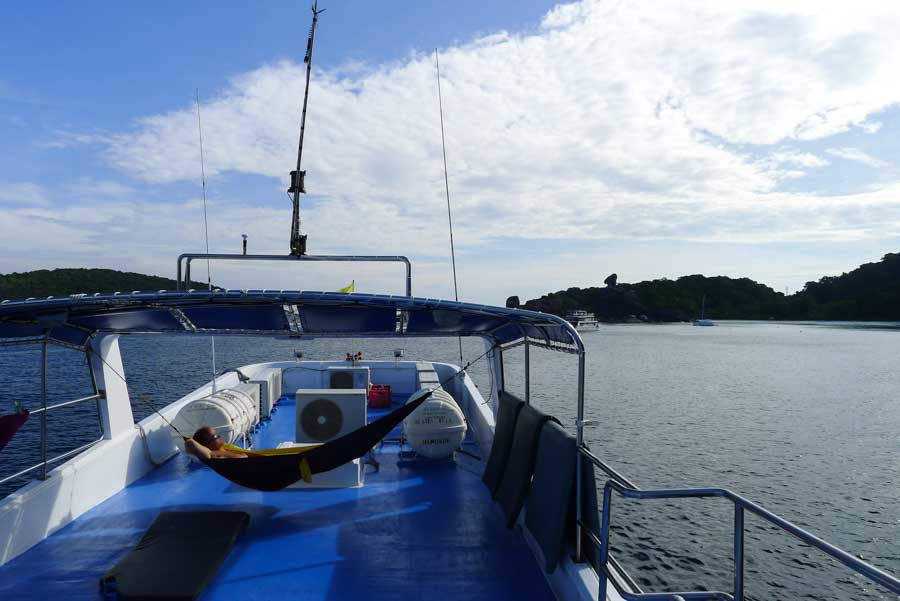
Whale shark and manta ray sightings are most common between February and April.
What to look for when choosing a liveaboard in the Similan Islands
First of all, you want to make sure your liveaboard also includes the Surin Islands.
Make 100% sure Richelieu Rock is on the itinerary. (I can’t imagine it wouldn’t be, but it doesn’t hurt to double check. Also ask how many dives you will do there. The more the better.)
I would also ask if you will visit Koh Tachai and Koh Bon, as these are probably the second and third best dive sites on most Similan/Surin itineraries.
Then there are the typical considerations for any liveaboard, no matter where it is:
How much does it cost? If you plan to rent equipment, how much will that add?
What are the cabin arrangements? If you’re traveling solo, is there a dorm option? If not, will you be paired with another solo diver or is there a single supplement?
Is the boat able to accommodate any dietary restrictions you might have?
How many divers are assigned per divemaster? What certifications are required?
Does the company require a specific kind of dive insurance?
There are options for lots of different budgets. Even if you want to try your luck booking in person, I recommend looking online first so you know what kind of amenities to expect.
Phuket vs. Khao Lak vs. Ranong – Where should you start your liveaboard?
The next question is where to start your trip!
Of the three most common options, Phuket is definitely the easiest to reach with its busy international airport.
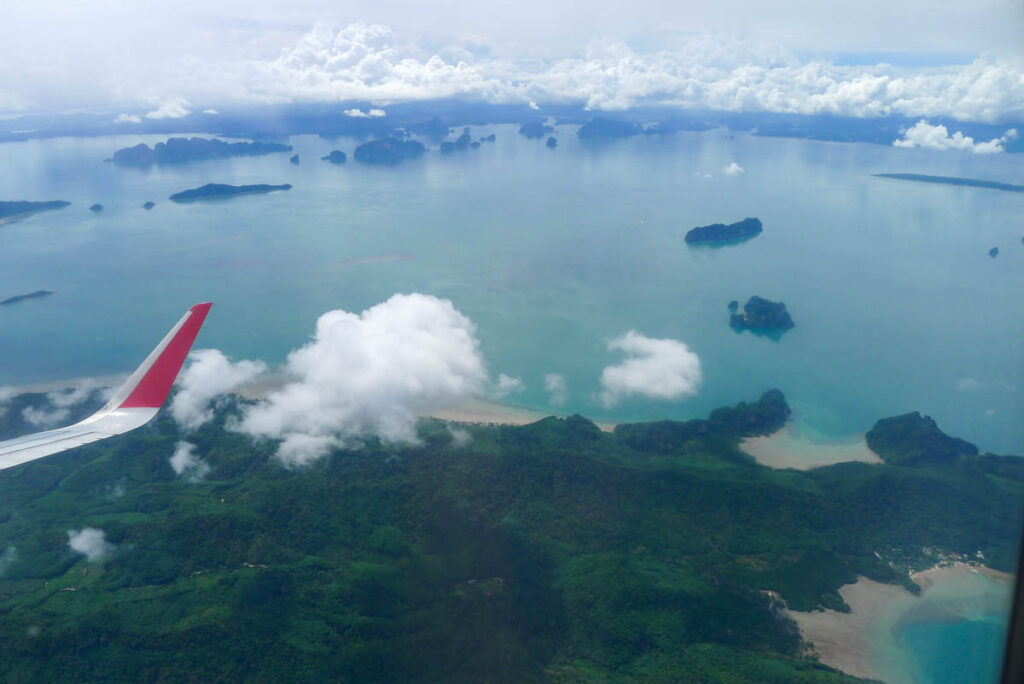
Phuket certainly has… a reputation, but it’s a big island, and pockets of it are surprisingly nice. If you’re going to be there for a night or two, I recommend staying in Rawai on the southern coast.
Khao Lak is only a few hours north of Phuket, and the scenery on the way is stunning. It’s a small, calm town. Most tourists are either here to relax at a resort or head out to the Similans. It’s also quite close to the incredible Khao Sok National Park, where I definitely recommend spending a night or two in a floating bungalow before or after your dive trip.
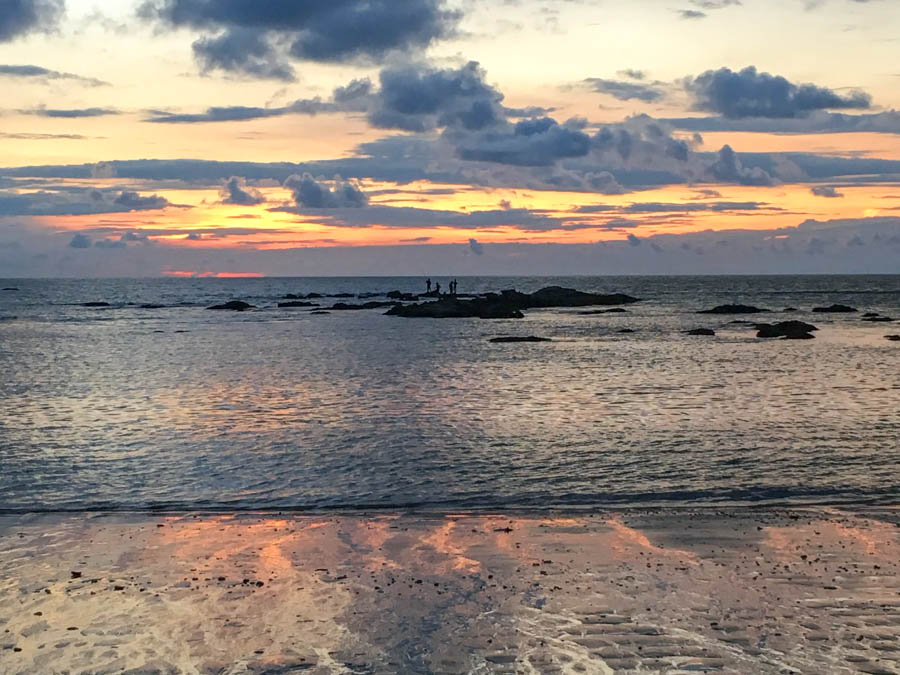
Ranong is definitely more of a challenge to reach, although there are a few flights per day from Bangkok (Don Muang). Ranong is the jumping-off point for Koh Phayam, which is a great island destination if you’re looking for something less developed than the over-touristed islands to the south.
Personally, I would focus on finding a trip that suits you best in terms of duration, price, and amenities and base your decision on that. I think these are all more important factors than your starting point, unless you are really on a tight schedule.
Should you book your liveaboard in advance?
This really comes down to your flexibility and risk tolerance.
If you’re hanging around southern Thailand for a while with nowhere to be, you can just show up, chat to some dive shops, and see what’s available. I did this in Khao Lak at the beginning of the season and got lucky – a boat was leaving, it wasn’t full, and they offered me a great deal.
If it’s high season or you’re on a schedule, I probably wouldn’t risk this. The Thai government limits the number of divers and other visitors to the Similan Islands each day. Boats do fill up, and I personally wouldn’t want to spend more than a day or two of a short Thailand itinerary hanging around in Khao Lak or Phuket.
Of course, that’s just my calculus, and those are just my preferences. Again, flexibility and risk tolerance – it varies so much from person to person.
I wish you a wonderful trip, whatever you decide!
More Thailand travel
My suggested 3-week itinerary for your first trip to Thailand
The south:
Koh Lanta: Some of the best diving in Thailand!
How to stay in a floating bungalow in Khao Sok National Park
The north:
The 10 best motorbike trips from Chiang Mai
Guide to the Mae Hong Son Loop by motorbike
Riding the Mae Salong Loop from Chiang Mai
Visiting Chiang Dao and the Sticky Waterfalls from Chiang Mai