Underrated Buenos Aires: Cool things to do off the beaten path
Some links on this page may be affiliate links. That means if you follow one, see something you like, and purchase it, I may receive a small commission at no cost to you. For more information, see this site's disclosures.
So you’re in Buenos Aires, you’ve seen the top sights, and now you’re ready to get off the beaten path! Or maybe you’re still planning your trip, but you know you have limited patience for this particular era of mass tourism. I hear you 110%.
Either way, I have thoughts! (And reassurance – yes, Buenos Aires can get busy, but I don’t think you’re going to feel like you’re in Paris or Seville.) I lived in BA for a few years and now consider it one of my bases – I’m kind of a digital nomad these days, but I circle back to a handful of the same places when I need somewhere that feels like “home.”
So I’ve done a lot of exploration, both intentionally and accidentally – especially during my days of traversing the city as an English teacher long ago, working in neighborhoods I wouldn’t really have had reason to visit as a tourist.
I’m not claiming that the places on this list are “hidden gems” per se – many of them are well-known among locals and expats, and some are gaining popularity quickly with tourists. They’re just not as popular as some of the classic must-sees in Buenos Aires, so they’re not quite as crowded and feel a little more authentic.
They can make cool alternatives if you’d prefer to stay away from the tourist traps, but I prefer to think of them as additional things to do if you’re staying in Buenos Aires more than a couple of days.
For example, the first place on this list is the Feria de Mataderos. I don’t think anyone can really say with a straight face that this is some kind of undiscovered gem. It’s plenty busy, but the locals here still far outnumber the tourists. Most people on their first visit to Buenos Aires won’t want to skip the Feria de San Telmo, and that’s totally fair. But if you’re lucky enough to be here for two Sundays, I think spending an hour on the bus to get to Mataderos and see something different is totally worth it.
So without further ado…
1 | Feria de Mataderos
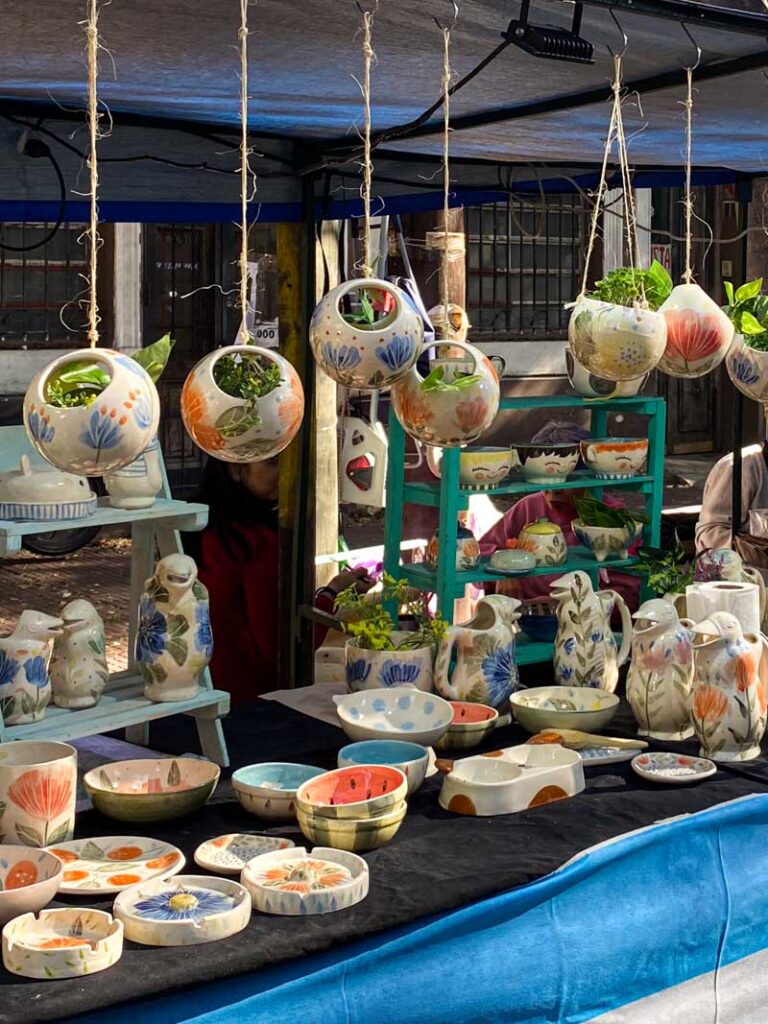
This Sunday market truly feels nothing like the much more famous Feria de San Telmo. It’s lively and often pretty packed, but you still have the feeling that it exists mainly for locals. In addition to food and handicraft stalls, there are traditional folk music performances and lots of people dancing in the street.
Honestly, after my first trip here, I was thoroughly unimpressed and couldn’t be bothered to make the trip again… for 16 years. Hah! When I finally went back earlier this year, I couldn’t believe how much had changed. Of course now I feel bad for telling family and friends visiting Buenos Aires that it wasn’t really worth their time and effort. It definitely is!
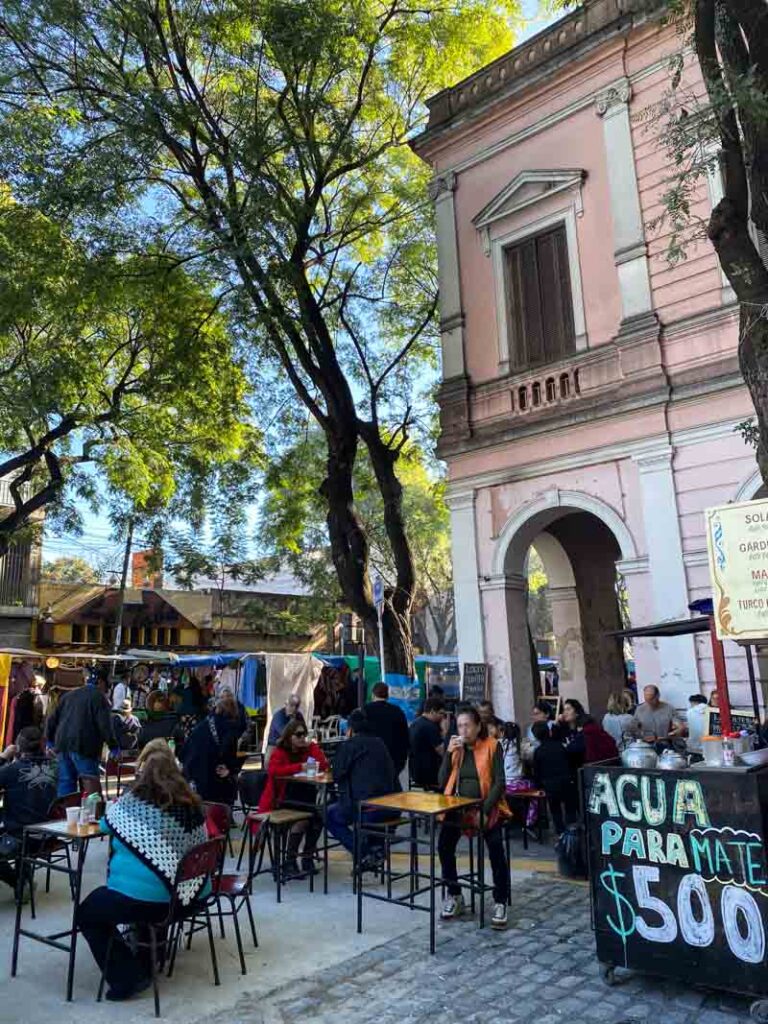
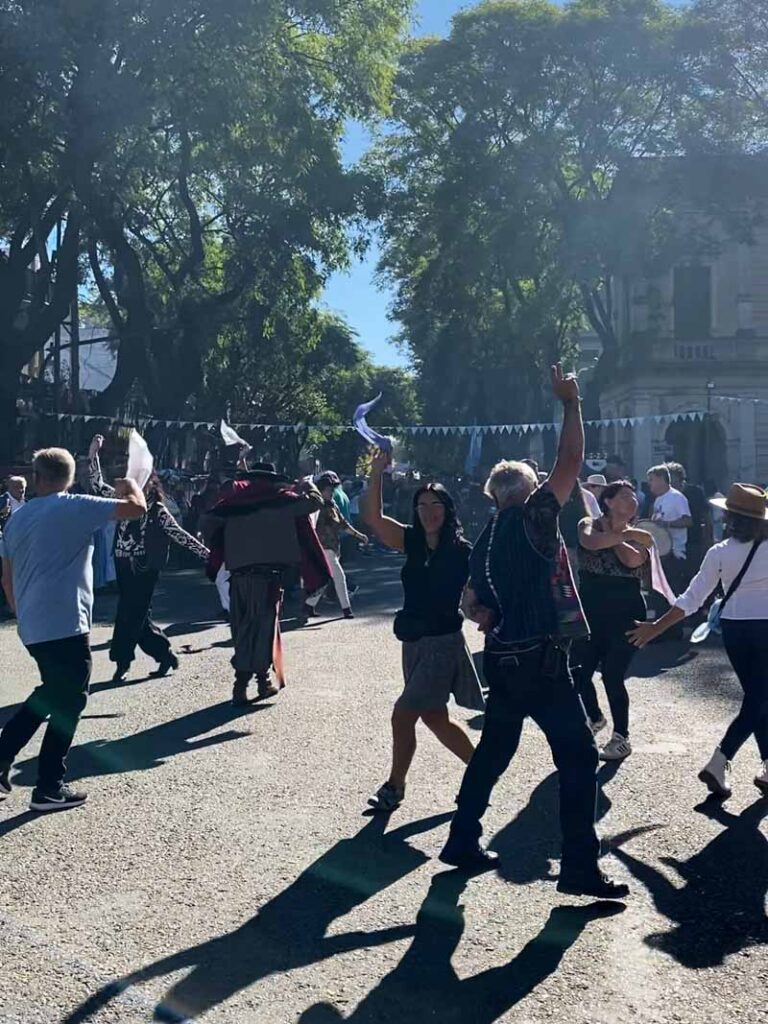
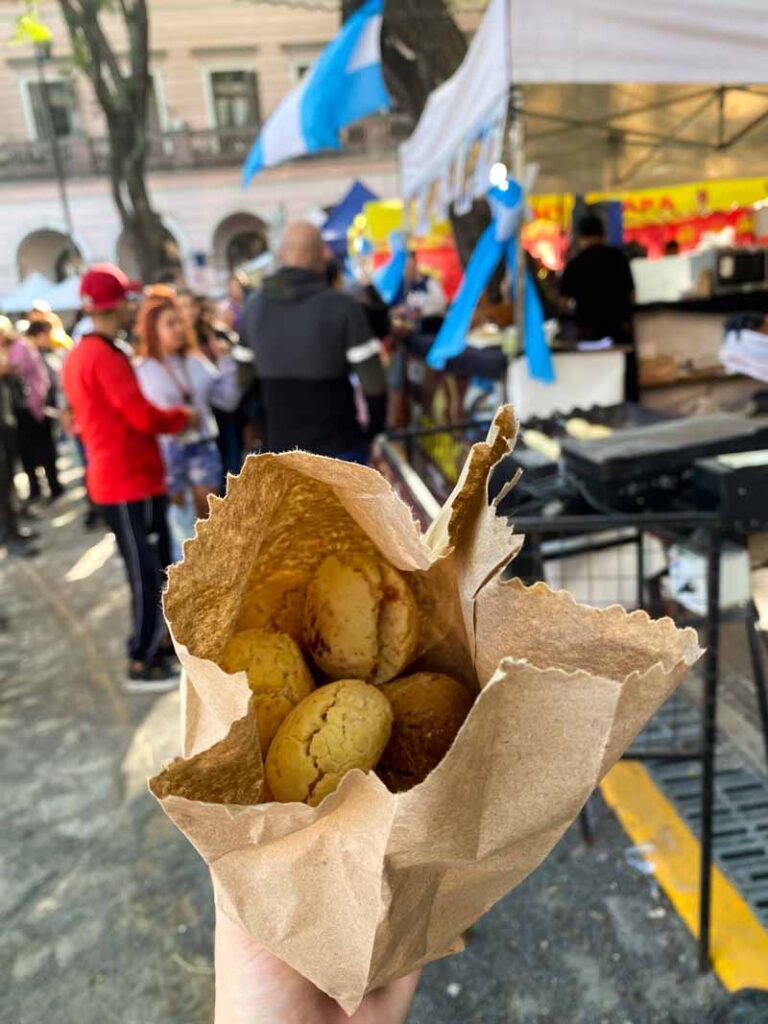
That brings me to my next point, though, which is that it does take a bit of effort. The fair is about an hour on the bus from neighborhoods like Palermo, Recoleta, and San Telmo where tourists are likely to stay. (If there are a few of you, it’s probably worth just using Cabify or Uber.) As with the other weekend fairs in Buenos Aires, don’t arrive too early. It officially starts at 11, but things don’t really get going until after noon.
Important: It takes place March through December, so don’t come all the way out here if you’re visiting in January or February! (You can check the exact schedule on their Instagram page.)
2 | Chacarita cemetery
Obviously, nearly every first-time visitor to Buenos Aires will pay a visit to the Recoleta Cemetery, the burial place of Eva Perón and dozens of other famous Argentines. Only a small fraction will venture out to the Chacarita Cemetery, which contains similarly ornate mausoleums but is much quieter and yes, more peaceful. This is where legendary tango singer Carlos Gardel is buried, as well as the famous painter Benito Quinquela Martín.

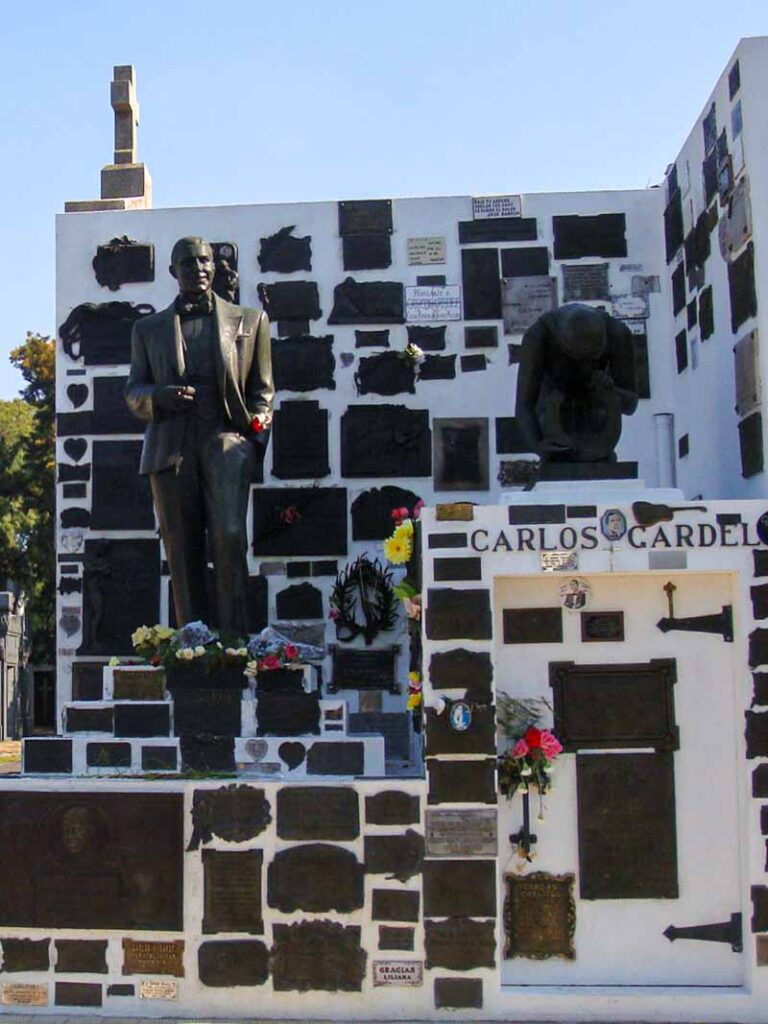
Chacarita Cemetery is far, far larger than its counterpart in Recoleta, and the walking paths are less cramped. Again, I’m not suggesting you skip the latter, but Chacarita is a completely different experience. (It’s also free, for now.)
Chacarita is also a cool neighborhood in itself, and exploring it will get you well off the beaten tourist path. There are lots of unique little coffee shops and bars within 15 minutes of the cemetery entrance.
3 | Museo Fernández Blanco in Palacio Noel
The two most famous art museums in Buenos Aires are easily the Museo Nacional de Bellas Artes and MALBA (Museo de Arte Latinoamericano de Buenos Aires). They are both fantastic, and I don’t think any art lover should skip them!
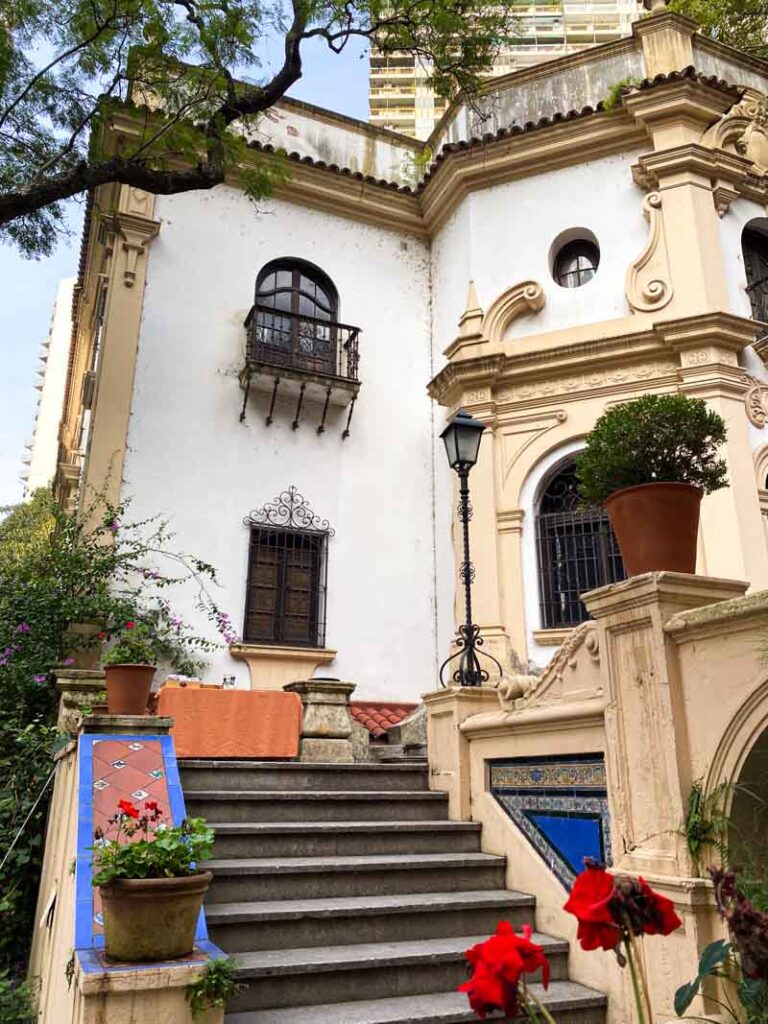
If you’re interested in colonial history, want something a little less busy, or just can’t get enough art, though, I highly recommend checking out the Museo de Arte Hispanoamericano Isaac Fernández Blanco. First of all, it’s located inside Palacio Noel, a gorgeous colonial-style former residence with a large garden and lovely outdoor restaurant patio. (The building actually only dates to 1920, but it’s designed in the Spanish colonial style.) The grounds are a green, quiet oasis right in the heart of the city and the perfect place for lunch on a nice day.
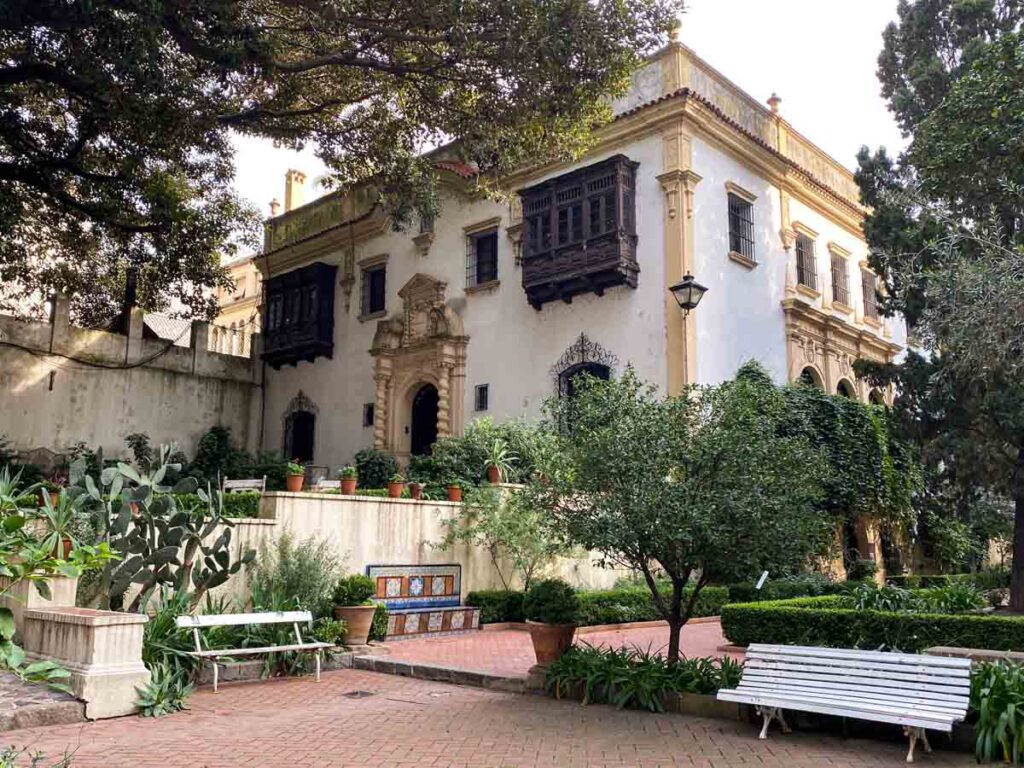
The museum itself houses a collection of colonial-era art from throughout the Americas, from Peru to Brazil to right here in Argentina. There are paintings, woodcarvings, and other religious artifacts, plus some gorgeous furniture and tableware (including centuries-old silver mate containers) and a collection of peinetones (enormous and ornate hair combs worn by wealthy women in the early 19th century).
Afterwards, you can grab coffee or a drink just half a block away on beautiful Calle Arroyo, one of the prettiest streets in Buenos Aires.
4 | Pasaje Lanín
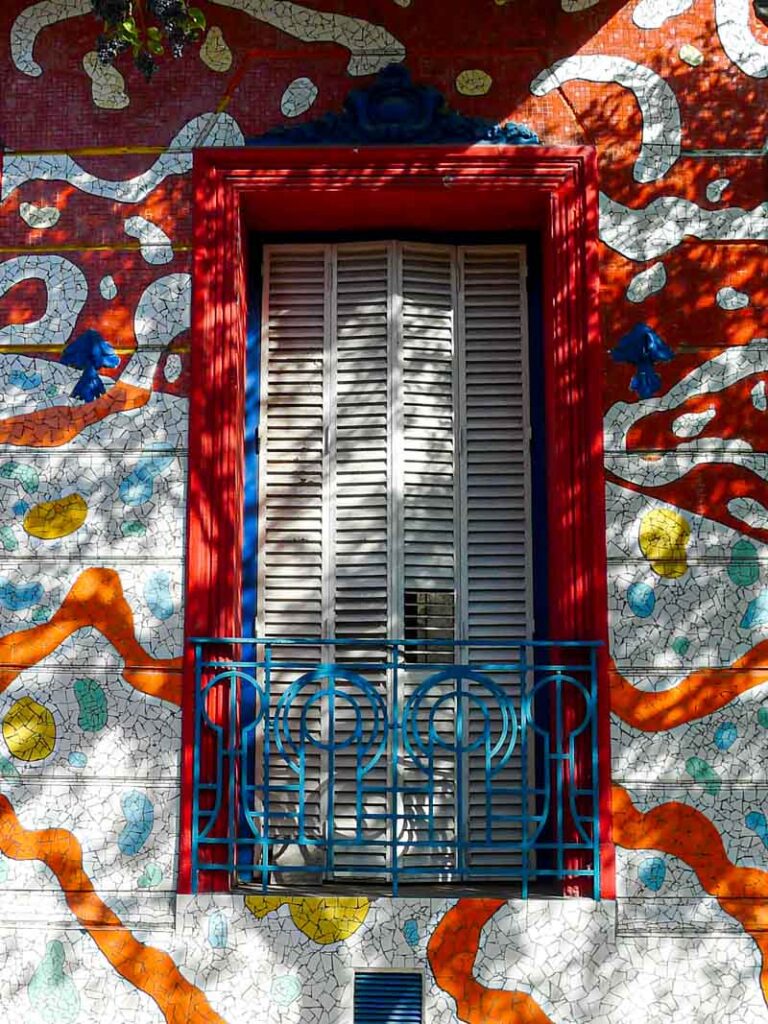
Next up, continuing with the artistic theme, is Calle Lanín in the southern Buenos Aires neighborhood of Barracas. This “museum” is of the open-air variety, with several entire blocks covered in bright, colorful paint and mosaic tiles.
The multicolored facades are the project of an artist and local resident who started decorating his neighbors’ homes almost 30 years ago as part of an effort to revitalize the area.
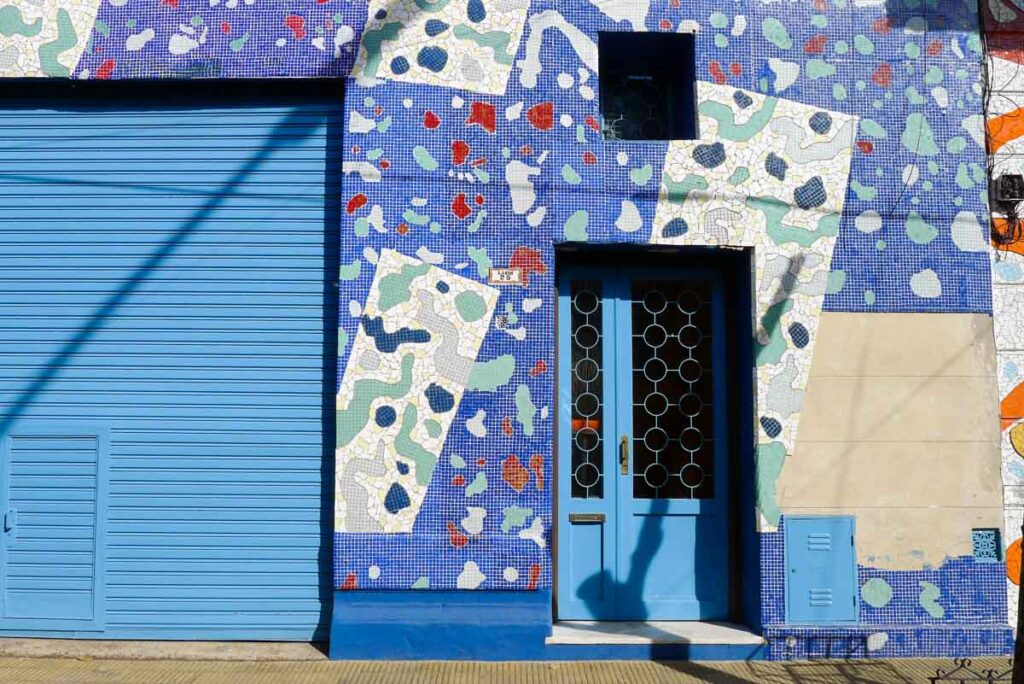
It’s nothing like the Caminito in neighboring La Boca. A colorful street in a historic, working class neighborhood, sure, but that’s really where the similarities end. You’re not going to find any souvenir stalls, street performers, or overpriced parrillas. (I’m guessing that’s welcome news for most of you who have already been to the Caminito.)
It’s probably not somewhere you’re going to spend more than 20 minutes, but it’s cool, unique, and uncrowded. (I actually do think this one qualifies as a hidden gem!)
I recommend tacking this on to a visit to La Boca or San Telmo, since you’ll already be nearby. It will be an inexpensive Cabify or Uber ride from either. (I strongly advise against walking from La Boca.) You can see more pictures of Calle Lanín here.
5 | ESMA museum
The ESMA, a former naval education center, was the main secret detention facility of Argentina’s military dictatorship in the 70s and early 80s. It’s now a museum (and UNESCO World Heritage site) that both documents the atrocities of the Dirty War and honors its 30,000 victims. All of the worst things humanity is capable of took place here, right in the city and really not very long ago, as people carried on with their lives just across the road.
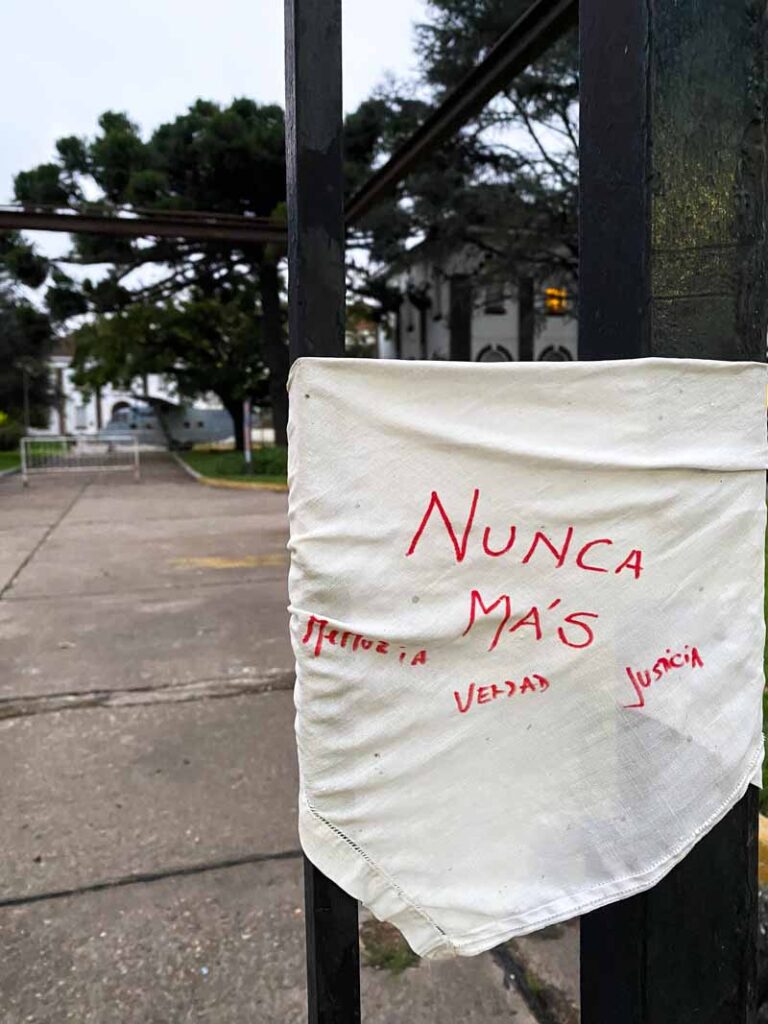
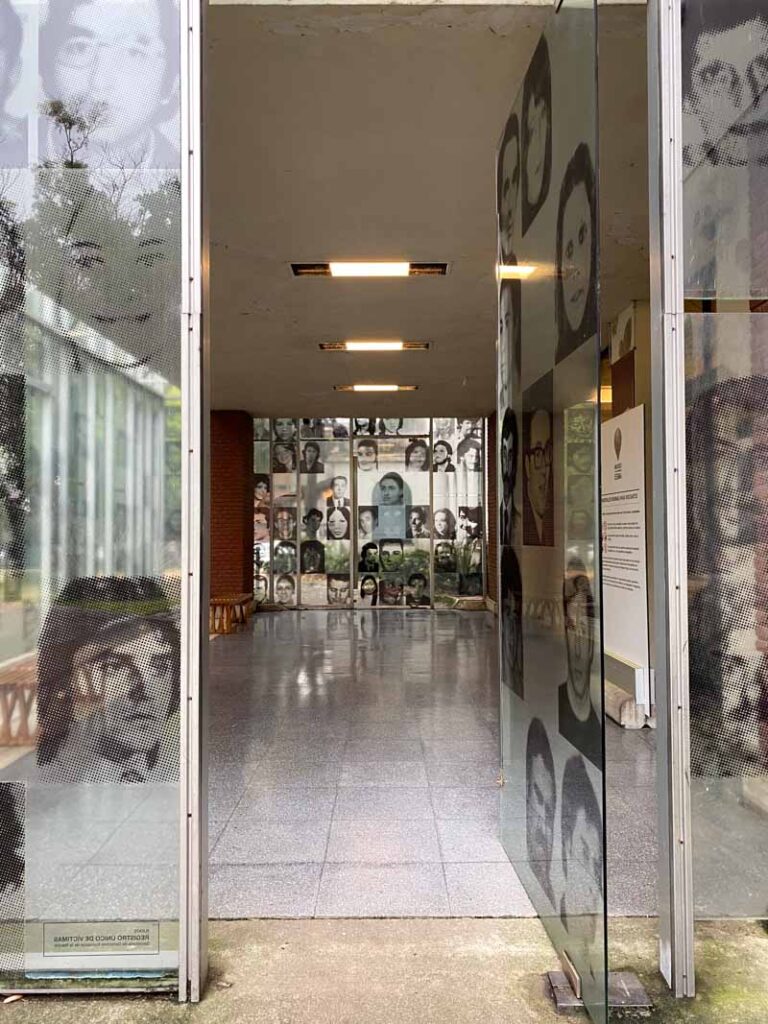
In my opinion, this is actually one of the most important things to do in Buenos Aires. That said, it’s such a heavy place that I didn’t include it on my list of top things to do or my suggested itinerary. (To be honest I’ve really gone back and forth on that.)
I recommend visiting in the early afternoon and planning to do something peaceful afterwards – I would probably head straight down Avenida Libertador to the Palermo parks. You can grab a bite to eat at the Arcos del Rosedal and then just wander through the rose garden or watch the geese. This way you won’t ruin your morning, but you might be able to avoid having nightmares that night. (But you might not. History has been rhyming… a lot.)
6 | Mirador Güemes
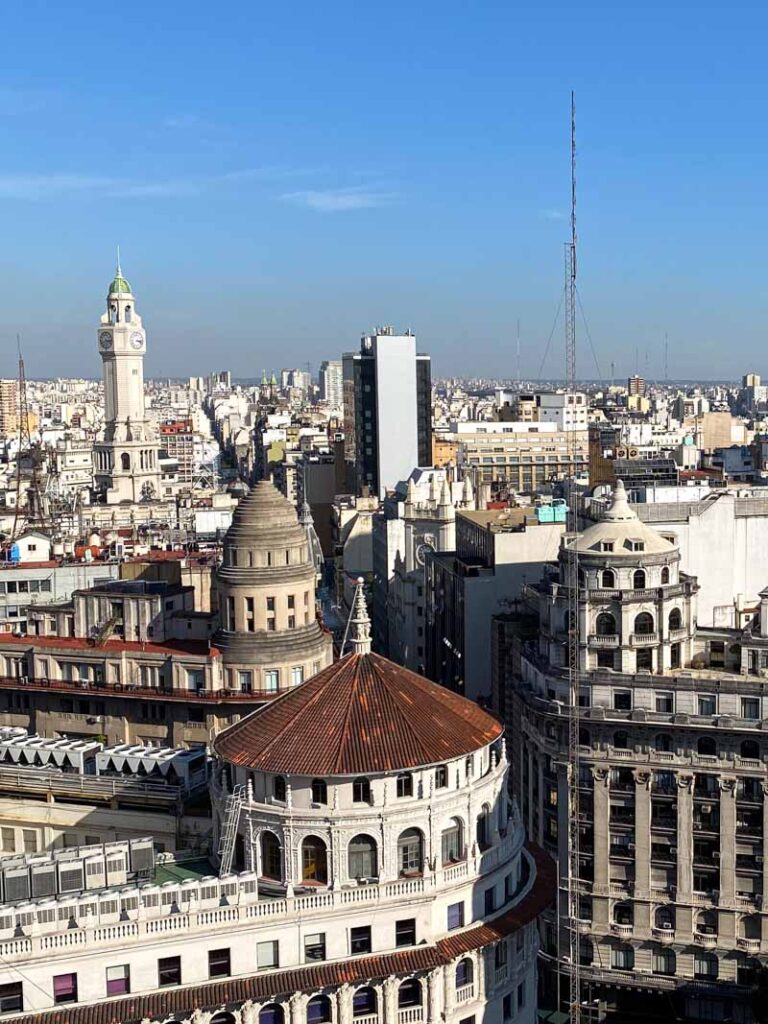
Hidden away above busy (and stressful, in my opinion) Calle Florida in downtown Buenos Aires is one of the best and most affordable viewpoints in the city.
To get there, first make your way to Galería Güemes, a covered arcade connecting Calle Florida with Avenida San Martín. It’s only about five minutes on foot from the famous Plaza de Mayo, so you’ll almost certainly be in the area at some point.
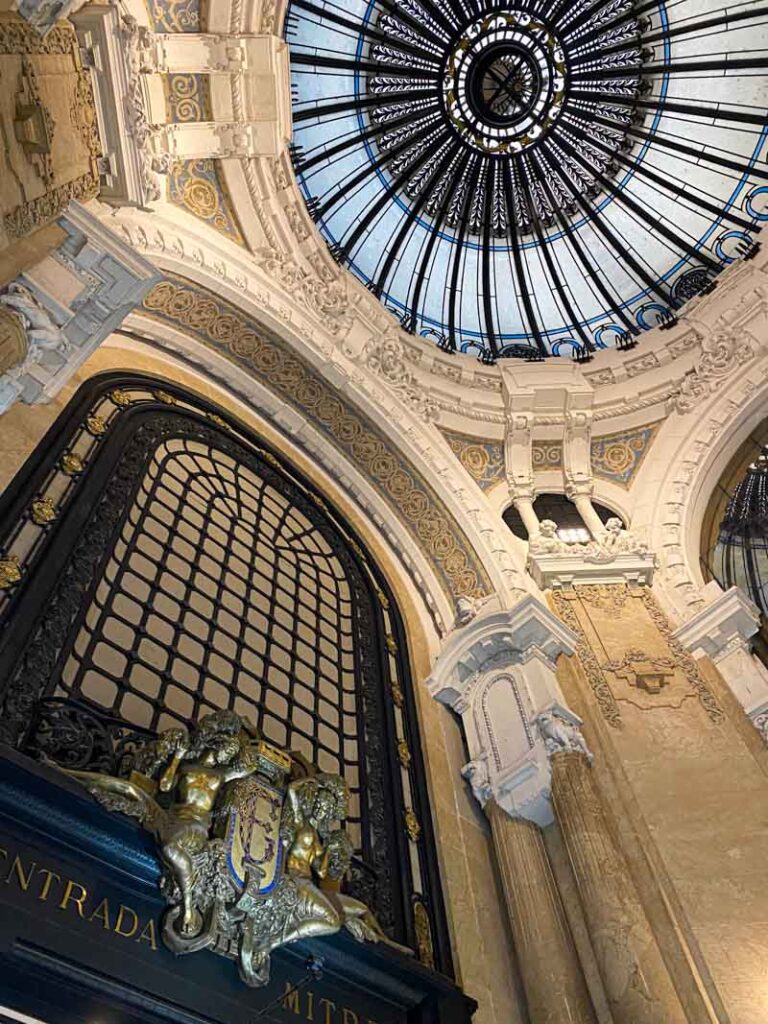
Although it appears unassuming (from the Florida side, it just looks like a regular mall, and from San Martín maybe an office building), once you step inside you’ll find beautiful Art Nouveau-style architecture. The gallery is worth a visit in itself, but it gets better!
Close to the Florida entrance, on the south side of the building, there are elevators you can take up to the 14th floor. From there, a spiral staircase leads to Mirador Güemes and its fantastic, 360-degree view of the Buenos Aires skyline and the Río de la Plata. Tickets cost only a small fraction of what you’ll pay to visit the top floor of Palacio Barolo or buy a drink at one of BA’s popular rooftop bars, so I really think this is a steal. (Not sure how long it will last, to be honest.)
7 | Colón Fábrica
The brightly painted former tenement buildings of La Boca are arguably the most famous tourist attraction in Buenos Aires. You’ll almost certainly be in the neighborhood at some point. If that point happens to be in the afternoon between Thursday and Sunday, I highly recommend checking out Colón Fábrica just a few blocks south of the famous Caminito.
This museum houses the sets, props, and costumes from past productions at Teatro Colón, one of the world’s most renowned opera houses.
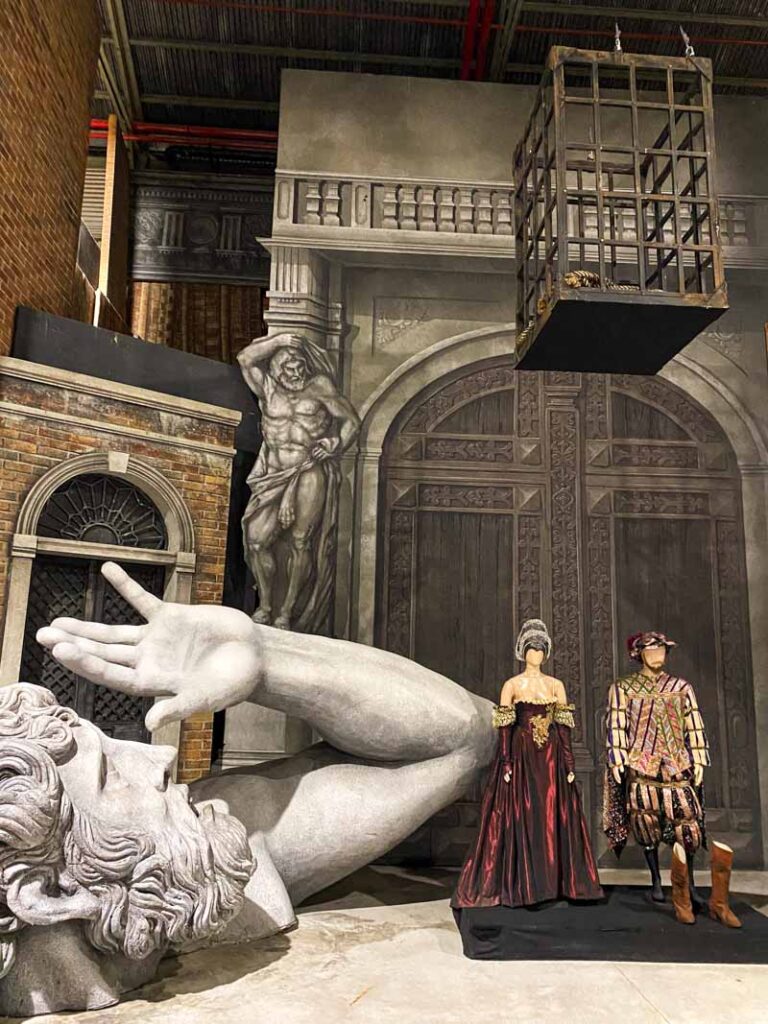
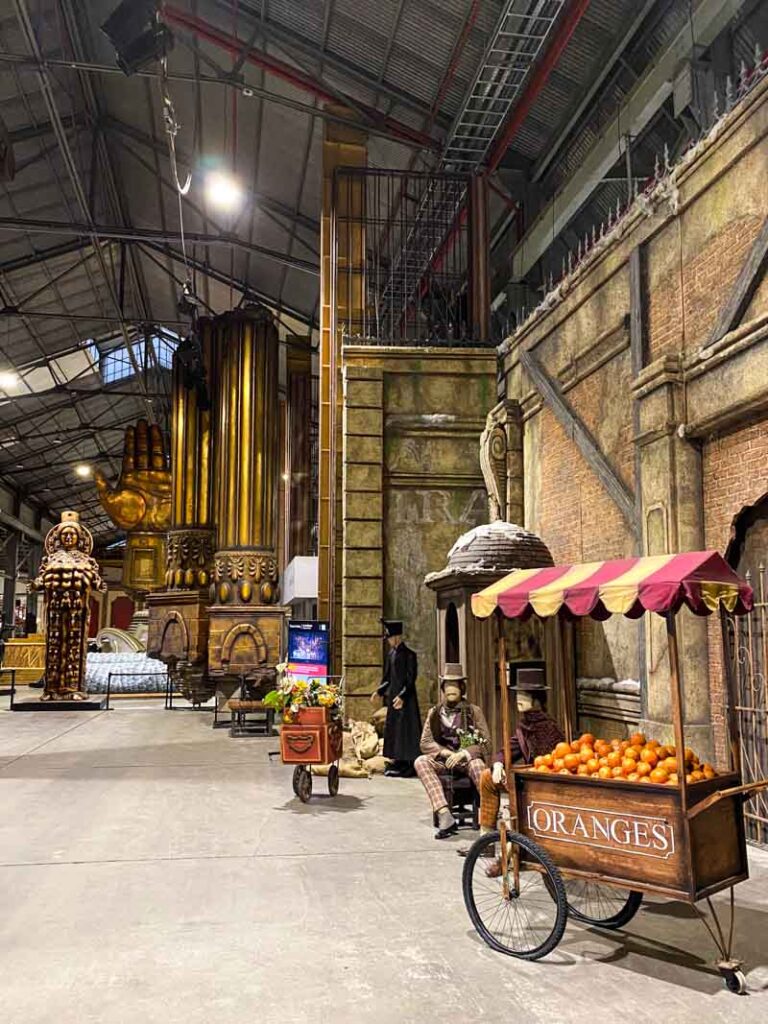
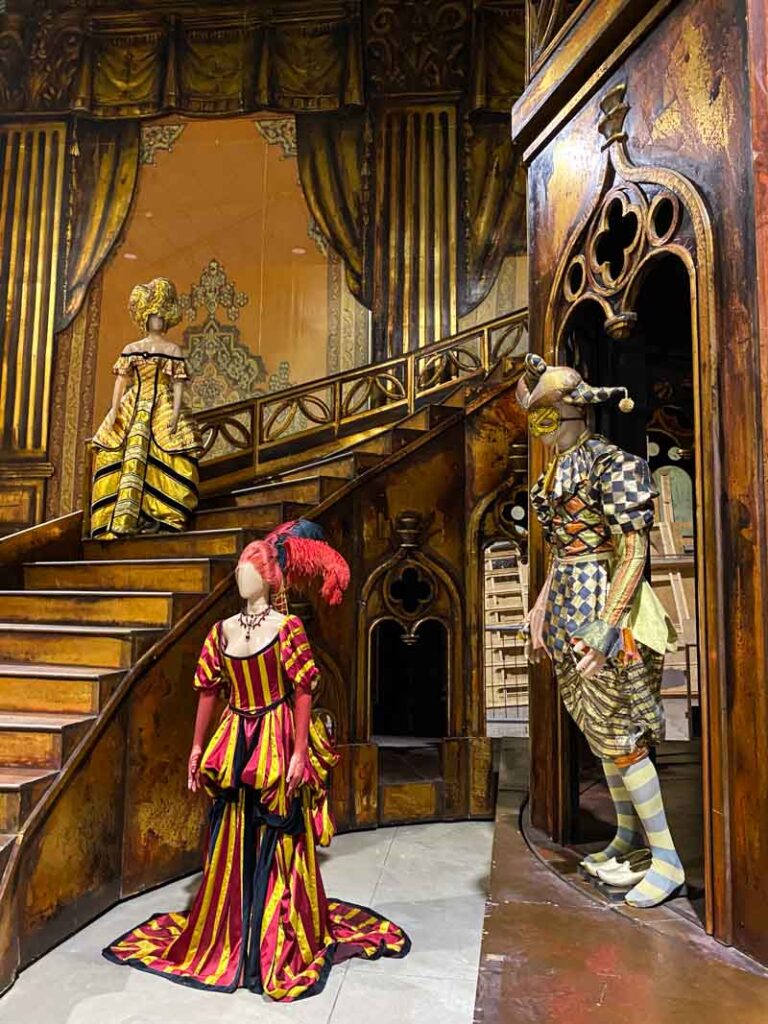
I absolutely loved my visit here and think it’s one of Buenos Aires’s truly underrated gems. The guided tours are super informative and affordably priced, and the sets are just amazing – even more so when you consider that every single one is made in-house and from scratch.
The tours are only available in Spanish, but there is information about each production displayed in English if you want to just wander around yourself.
8 | Belgrano’s Chinatown
If you’ve been in Buenos Aires for a while, you might be ready for a break from steak and provoleta. Whether you want to cook and can’t find a specific ingredient or you just want to enjoy some dumplings and bubble tea, my recommendation is the same: head over to Chinatown. It’s right in the middle of Belgrano, a nice residential neighborhood bordering Palermo.
First, a disclaimer: Chinatown in Buenos Aires really doesn’t hold a candle to the Chinatowns of many other major world cities. The Asian community here is small, comprised primarily of Taiwanese immigrants who started moving to Argentina just in the past half-century. It simply doesn’t have the history to compare to similar neighborhoods in San Francisco, Melbourne, or Bangkok. If you go with that understanding and your expectations managed, it’s a fun neighborhood to visit and do something a bit different!
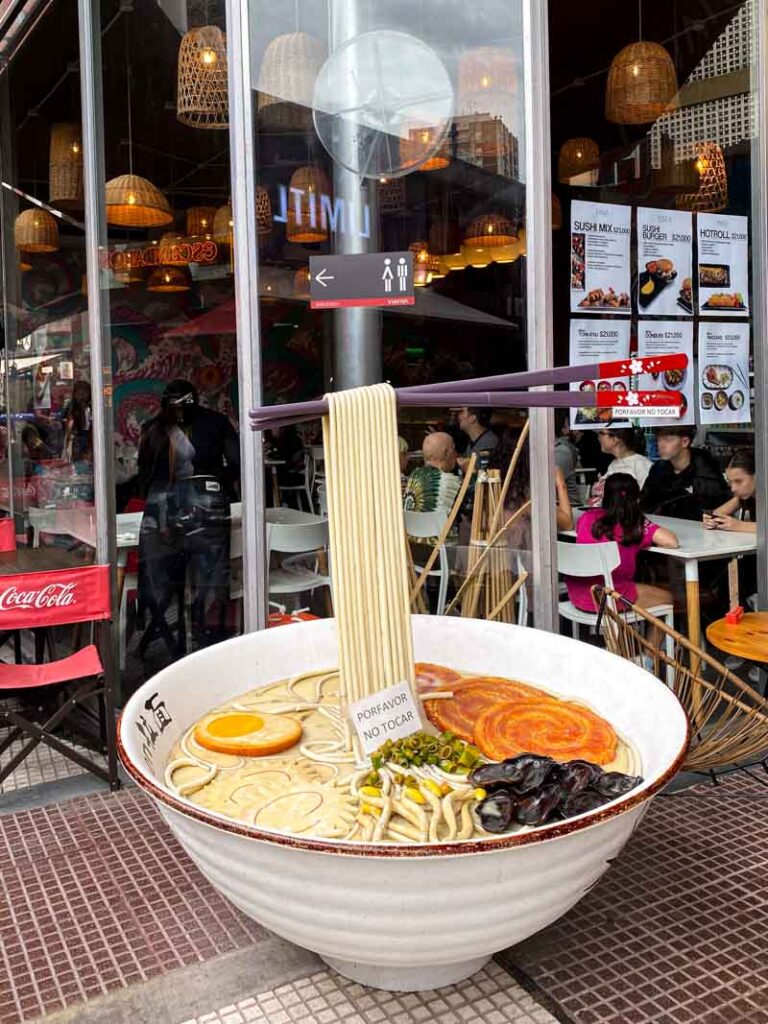
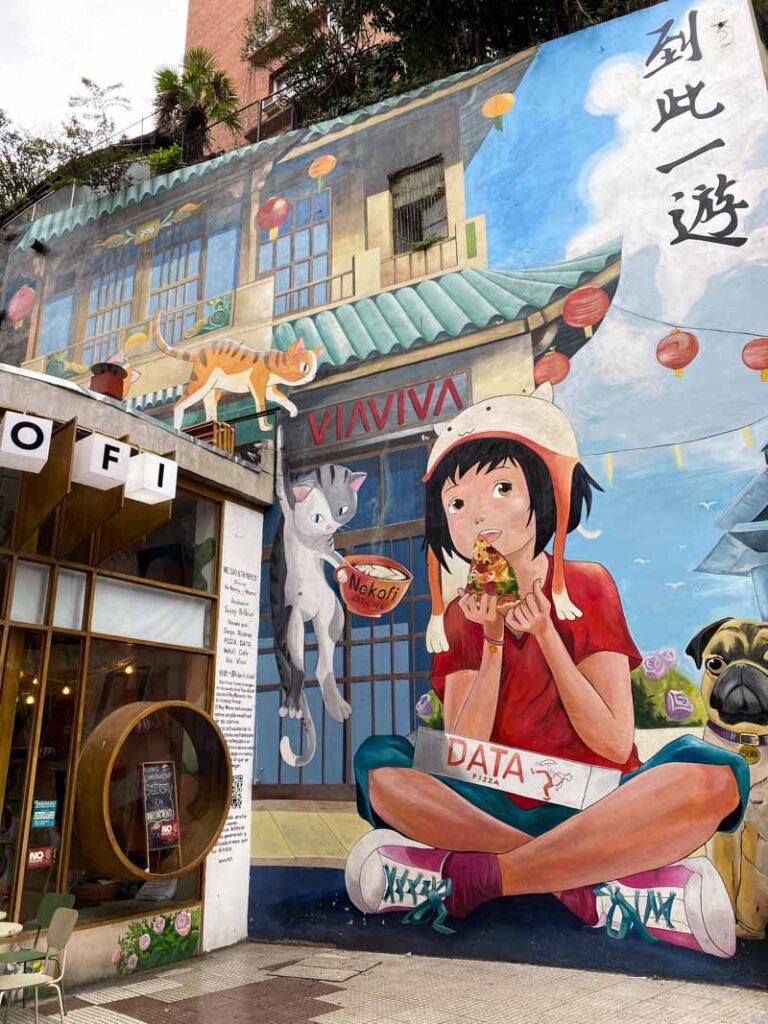
In addition to the many restaurants serving up different kinds of Asian cuisine that have been there for decades, you can check out the newer pedestrianized Via Viva, which is really lively and has a lot more contemporary options. You have all worlds here – you can take your pictures with the cute kawaii stuff or step into a dining room that might make you feel like you’ve time traveled to the past – or both.
9 | Usina del Arte
Located in a former power plant in La Boca, the Usina del Arte is one of my favorite cultural centers in Buenos Aires. It has rotating visual art exhibits as well as a large auditorium that hosts concerts and dance performances.
When I went to research what was going on during a recent visit, I discovered to my absolute delight that the citywide tango and milonga championships were taking place there that weekend – for free.
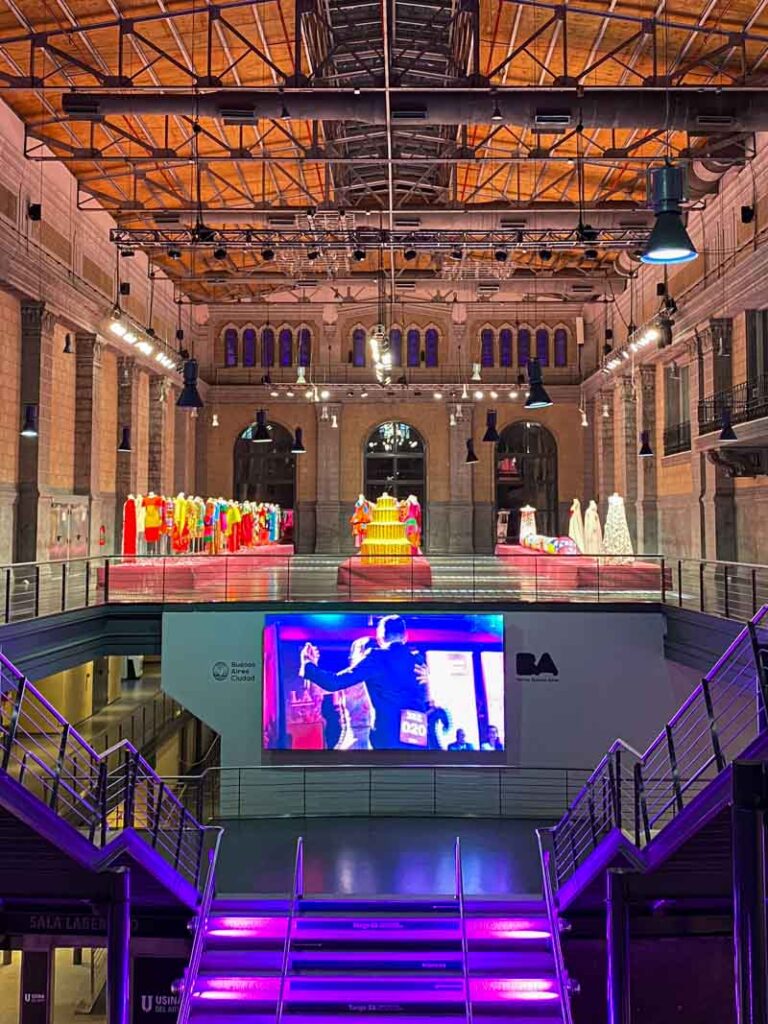
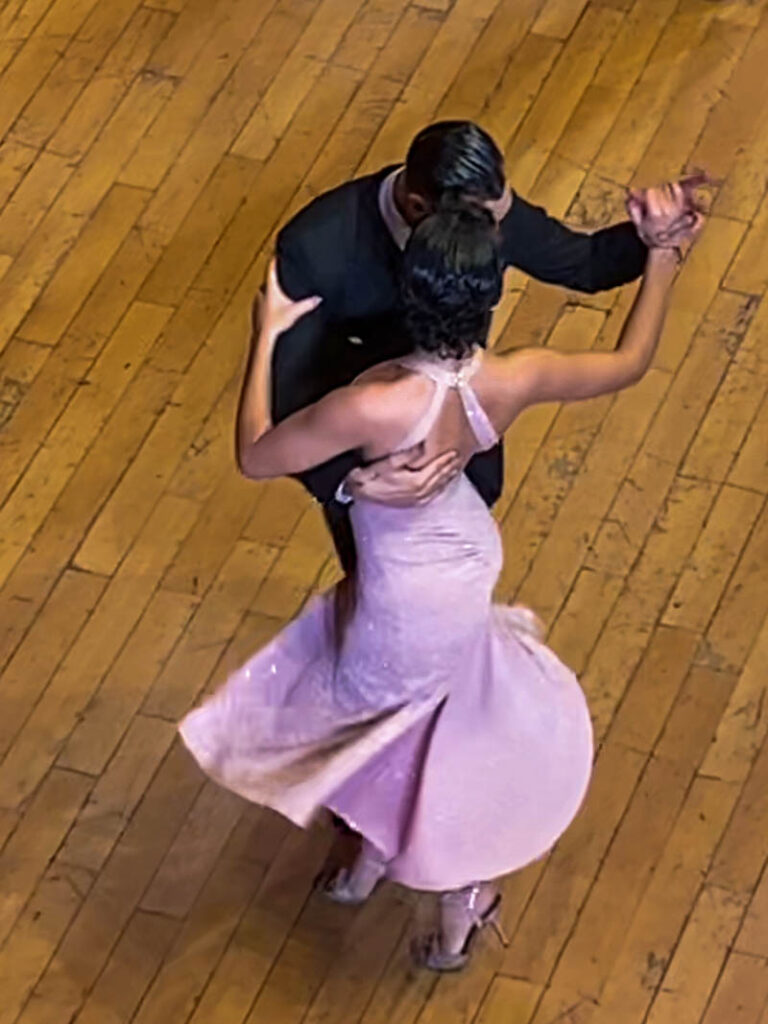
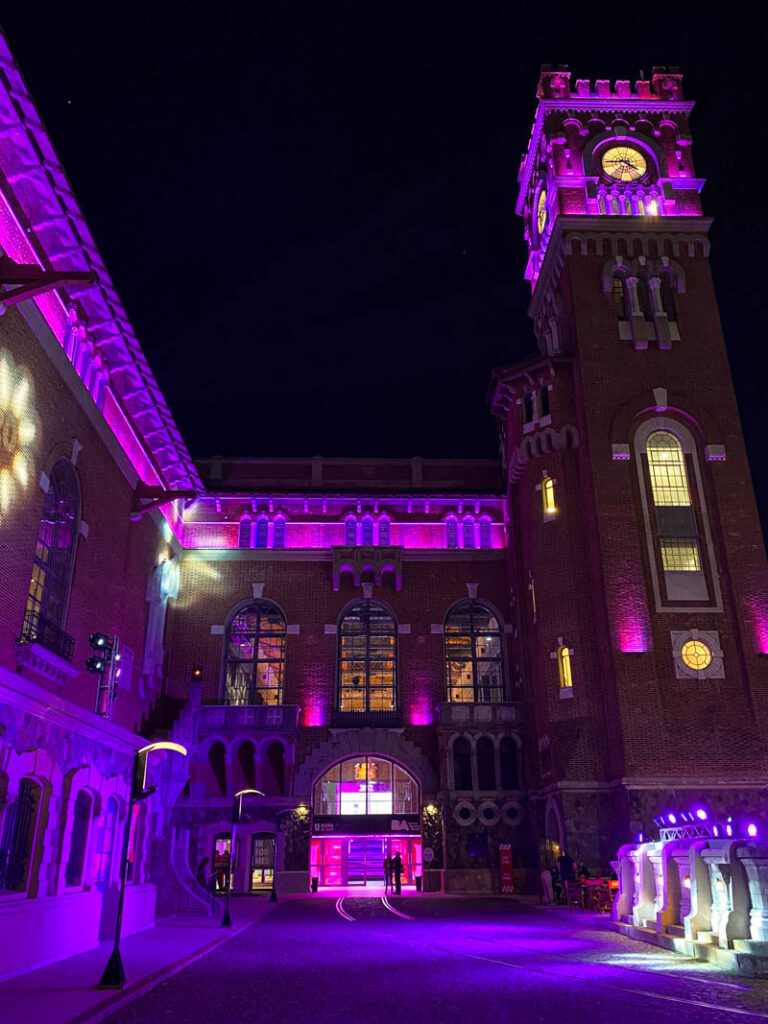
The building itself is over 100 years old, and it’s so beautiful it’s a little hard to believe it was built to be an electric plant. Hosting philharmonic performances and dance competitions seems a much more appropriate destiny.
10 | Zanjón de Granados
El Zanjón de Granados is an impressive archeological site hidden in plain sight, just below the antique shops and Sunday crowds in the heart of San Telmo. A restoration project in the 1980s revealed a centuries-old labyrinth of tunnels and cisterns here underneath an abandoned mansion-turned-conventillo. (As you may have learned in La Boca, conventillos were a kind of tenement-style housing common in Buenos Aires in the late 19th and early 20th centuries).
Guided tours take you through this underground network and provide a lot of history about the city in the process. As far as historical tours go, this is my pick for anyone who doesn’t speak Spanish; there are several daily tours offered in English. On weekdays, you can take a “flash tour” – a combined visit to El Zanjón and the Casa Minima, the narrowest house in Buenos Aires.
11 | Manzana de las Luces
If you really like history, an excellent free alternative/addition to the Zanjón de Granados is the Manzana de las Luces, sometimes translated as “the Illuminated Block” or “the Block of Enlightenment.” The buildings here were originally constructed by Jesuits in the 17th and 18th centuries, but they served different cultural, educational, and political purposes over the centuries. At various points in time, the block was home to a theater, a bank, a number of academic institutions, a library, and the national legislature.
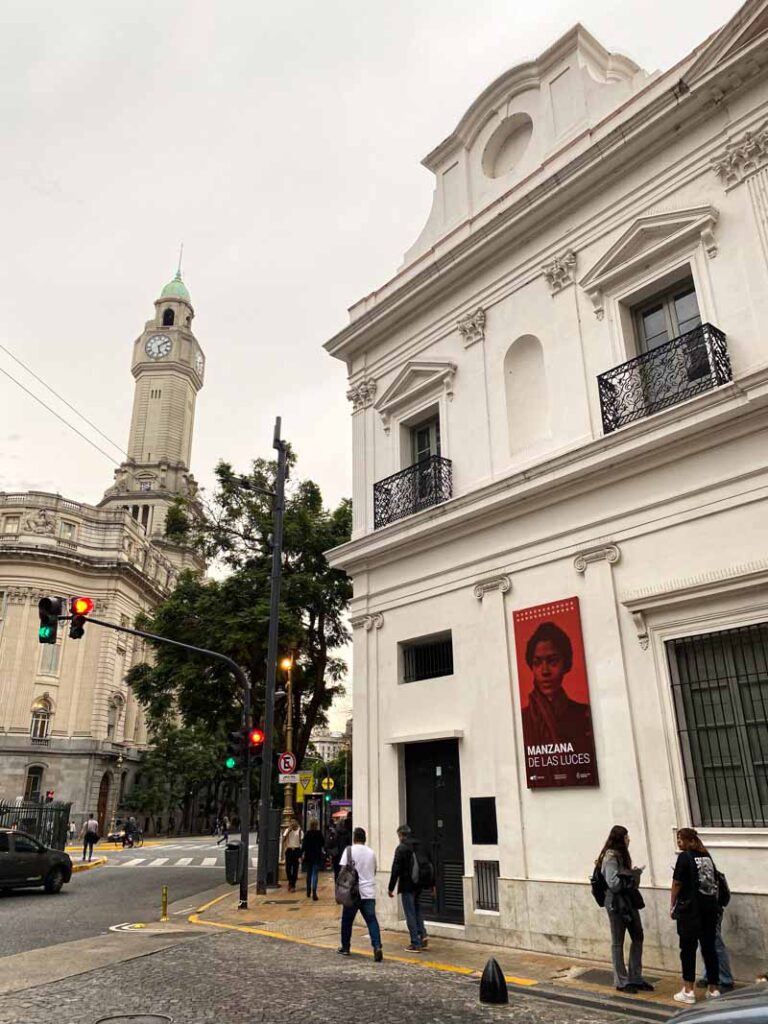
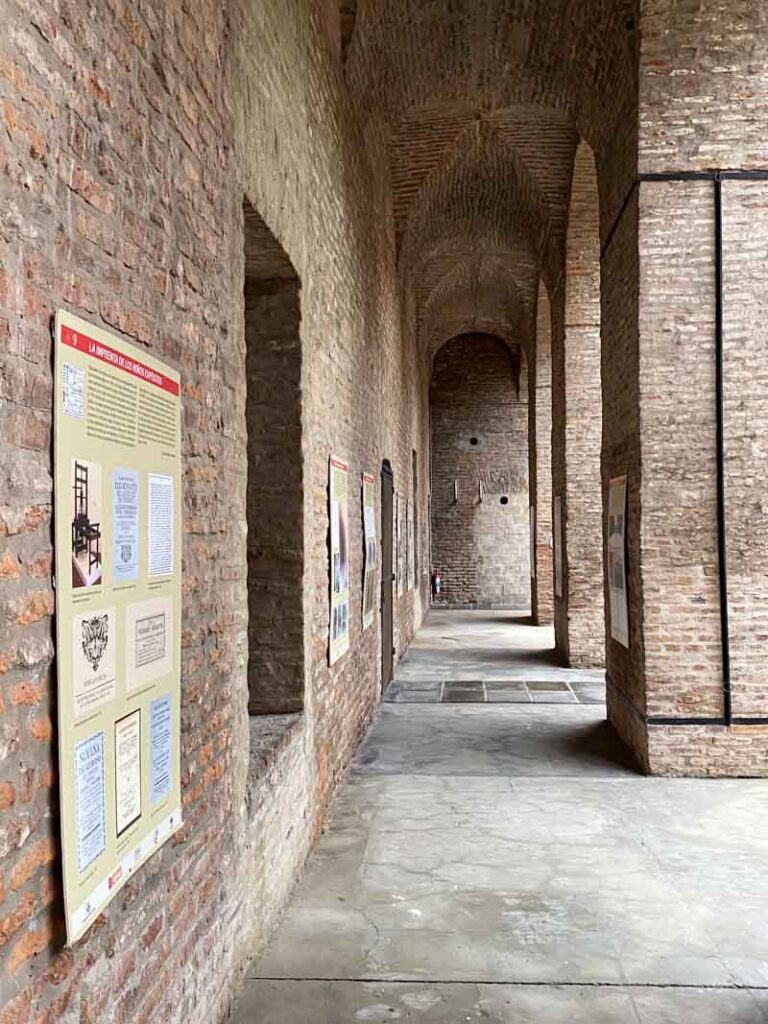
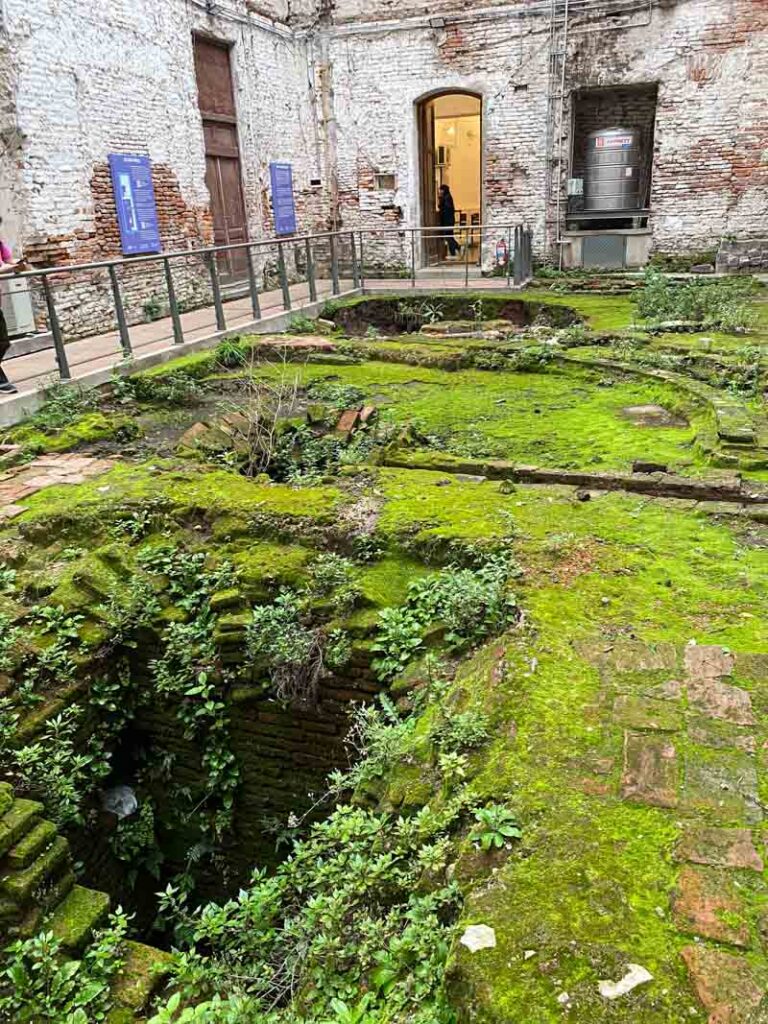
You can walk around for free, but there isn’t a ton of written information on display and you might not find it all that informative. If you can understand Spanish, I highly recommend one of the free tours on weekday afternoons. My guide there was absolutely excellent and didn’t shy away from some of the uglier aspects of Argentina’s history that many museums and tours here unfortunately ignore. She also included a lot of information about women, Indigenous communities, and Black Argentines that I hadn’t heard elsewhere.
Both historical sites are conveniently located close to Plaza de Mayo and are easy to combine with some of BA’s major places of interest there and in San Telmo.
12 | Street art tours
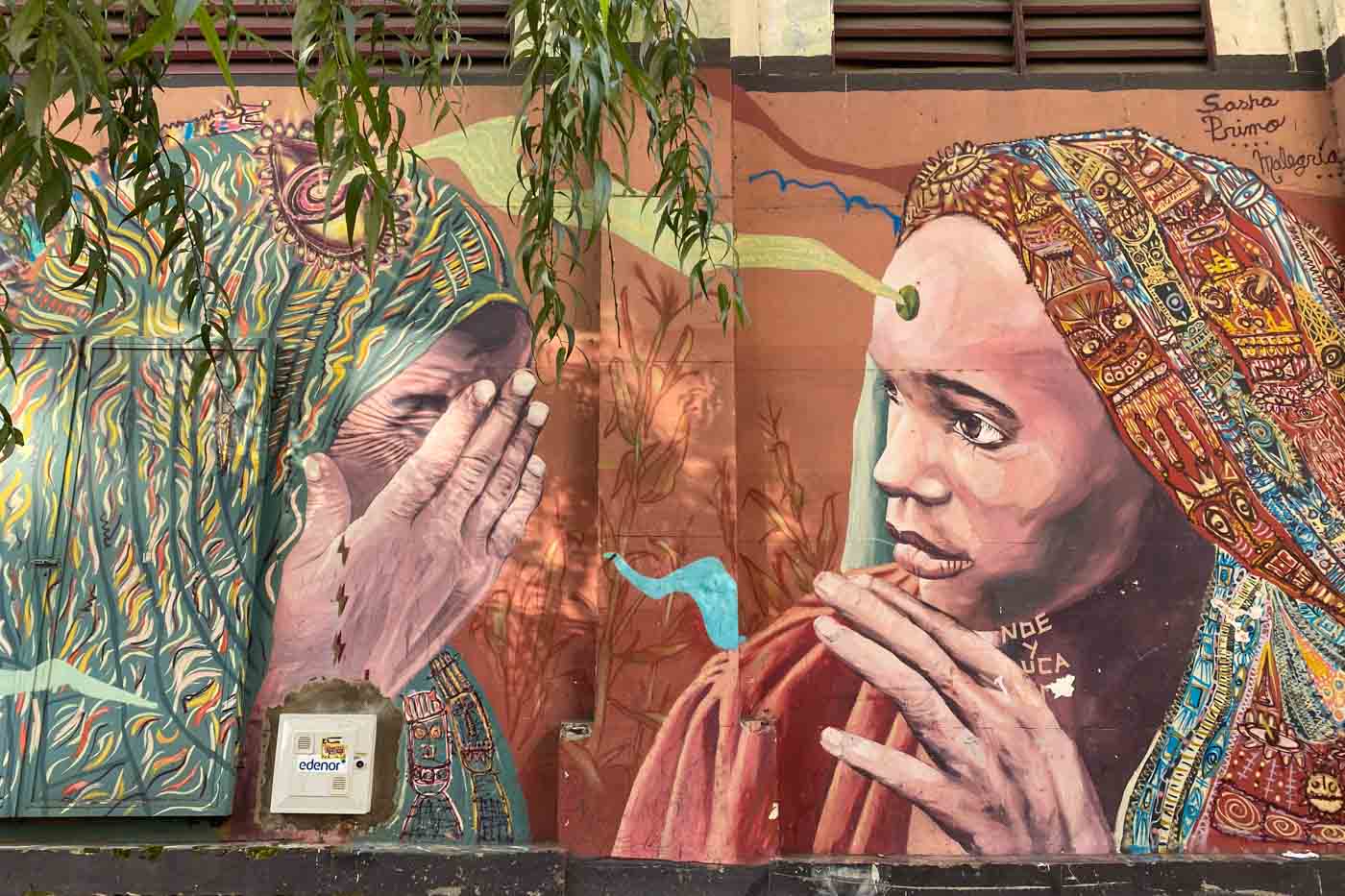
Buenos Aires has very few regulations when it comes to street art – all the artist needs to start painting is permission from the owner of the wall in question. Combine that freedom with the city’s creative energy, and the result is a street art scene that’s simply one of the most impressive in the world.
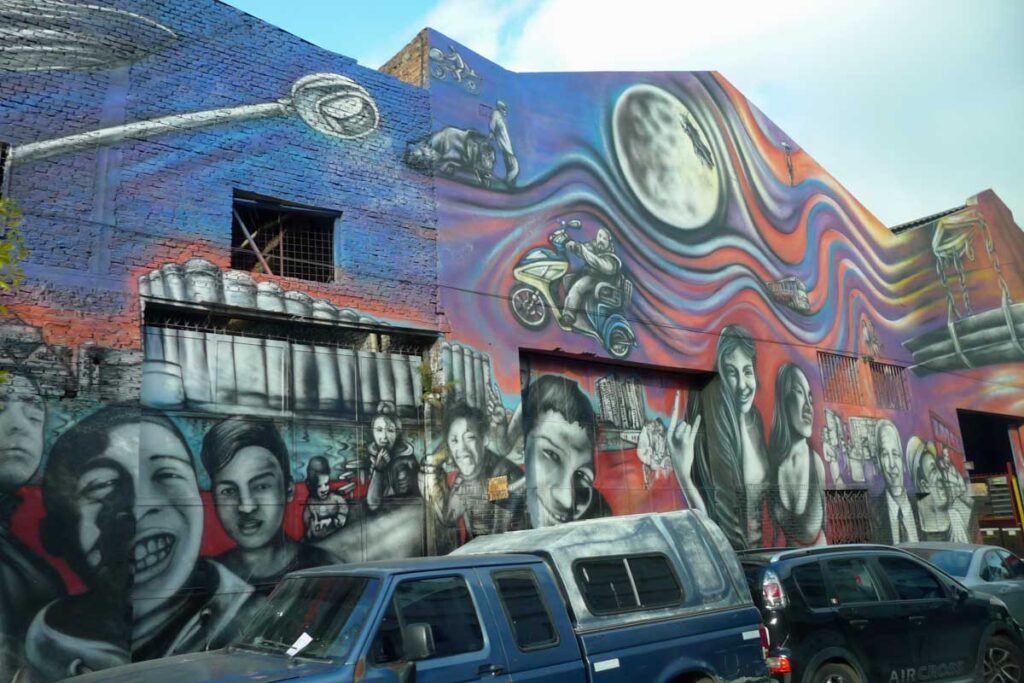
You can find incredible murals throughout Buenos Aires, but some of the best neighborhoods for it are Palermo, Villa Crespo, Colegiales, Barracas, and La Boca.
I suggest taking a street art tour if you’re at all interested in the urban art scene here. They’re really inexpensive, and you can learn so much about the artists and the meaning behind some of the most famous and important pieces in the city. I especially recommend this if you want to check out the art in southern barrios like La Boca and Barracas, as the safety situation here unfortunately isn’t really ideal for wandering aimlessly with your phone out.
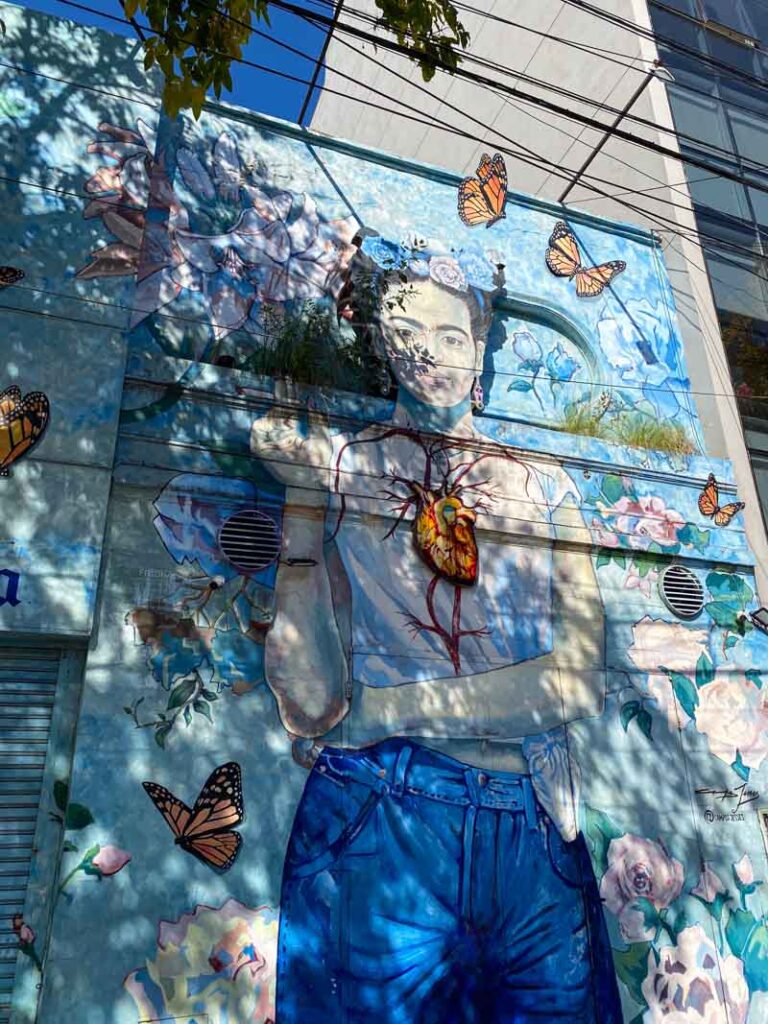
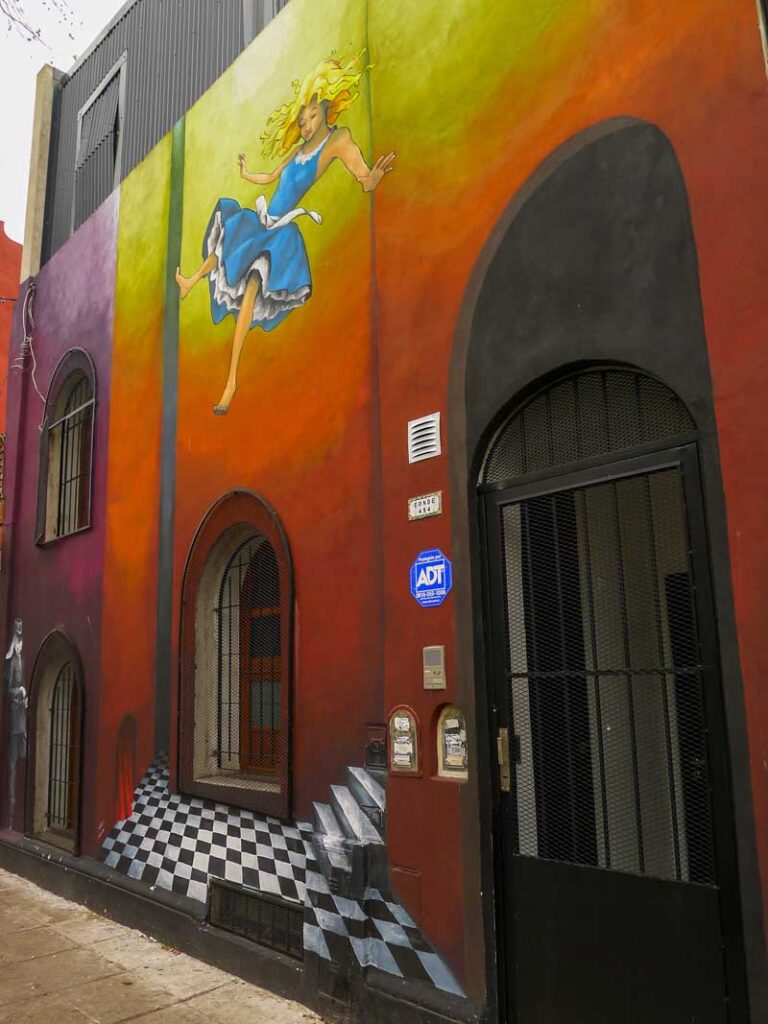
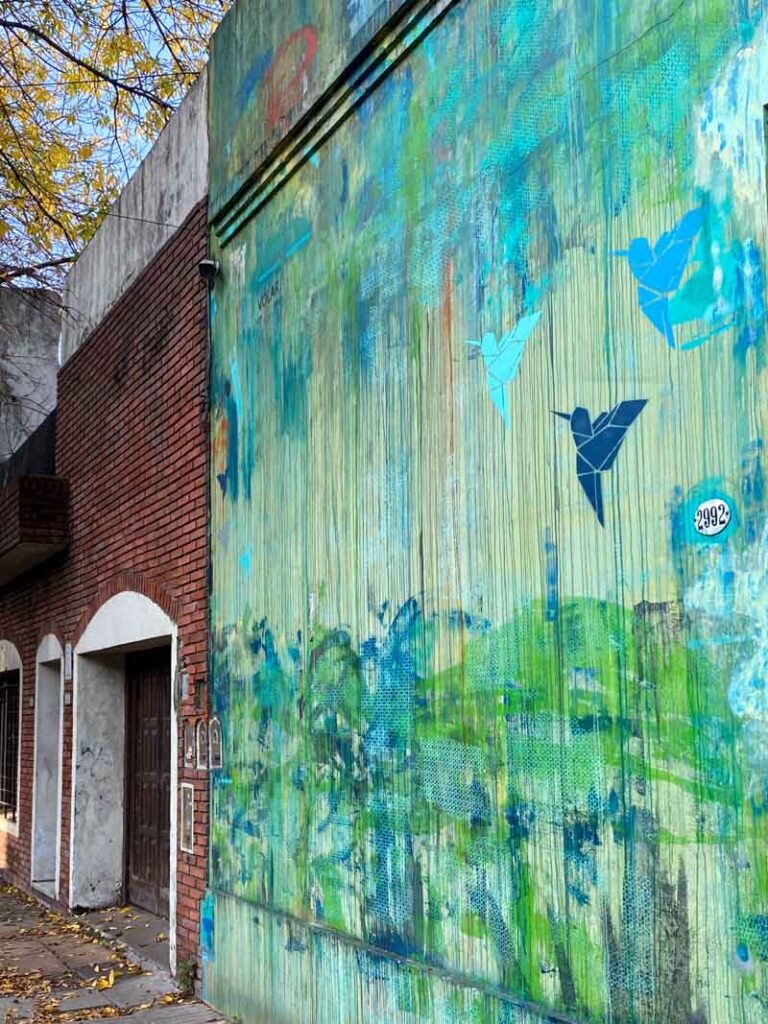
A tour is a great introduction and can give you helpful context for exploring other neighborhoods on your own. That said, you could wander these streets for years and not find all of the amazing murals. (I’ve tried!) The artwork here is always evolving; discovering new pieces is one of my favorite things about Buenos Aires.
13 | Mercado de las Pulgas
This massive flea market is located right at the intersection of Colegiales, Palermo Hollywood and Chacarita. The cemetery, market, and some great murals are all within walking distance of each other, and there are plenty of lovely coffee shops and bars in the vicinity where you can take a break.
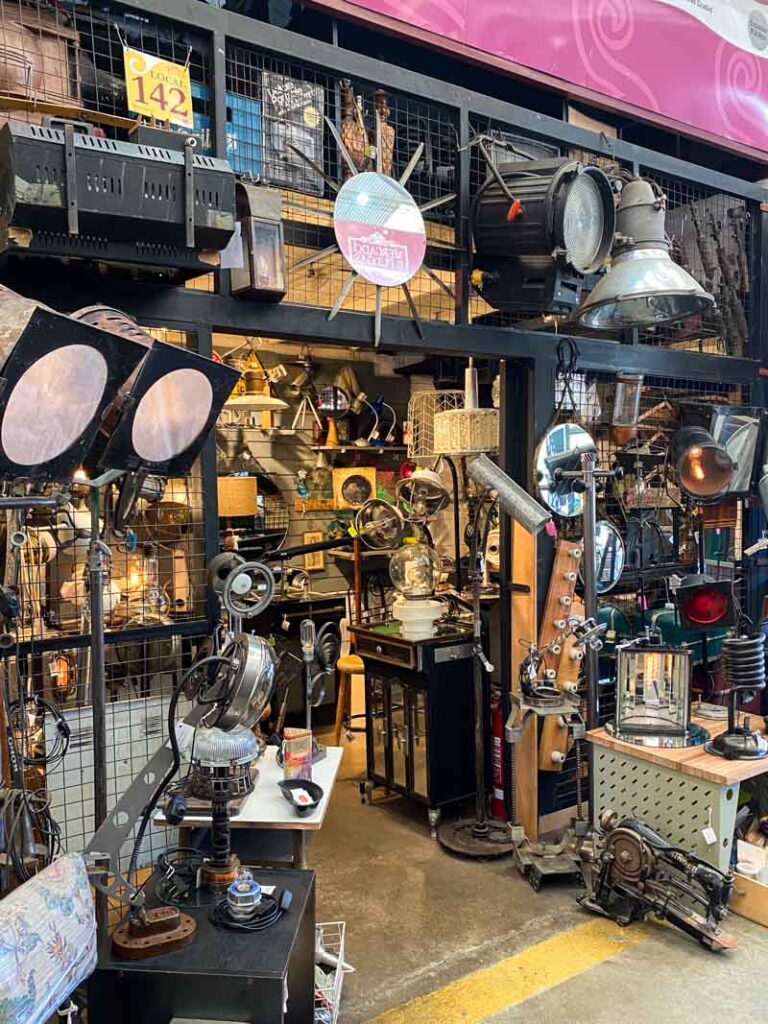
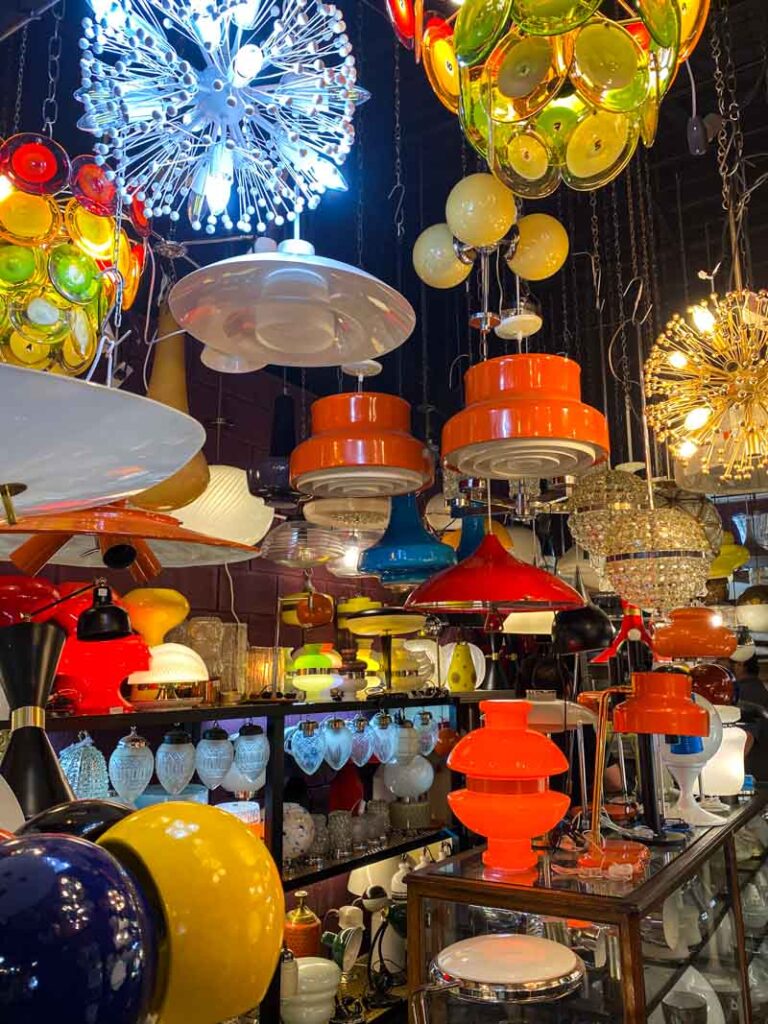
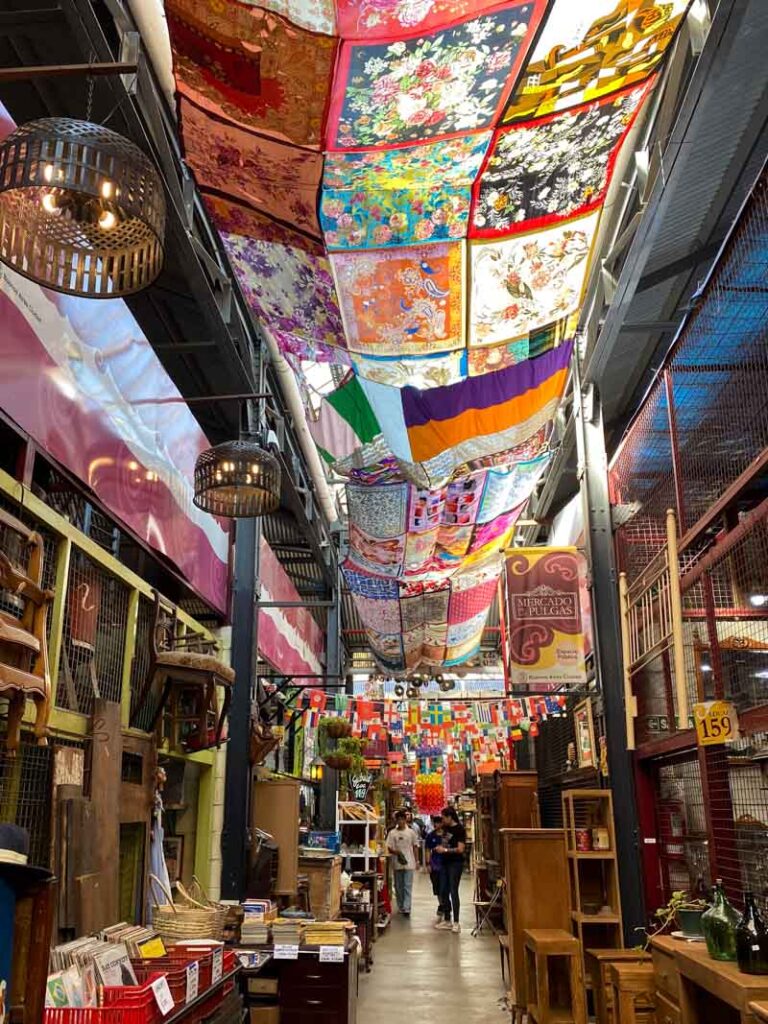
I don’t really have an eye for what is antique and what is junk, but I still find the Mercado de Pulgas fascinating. If this kind of thing is your jam, you could easily spend an hour or more here. (Besides, one person’s trash, etc etc.) It is much, much calmer than the San Telmo fair, even on a weekend afternoon.
* * *
I’ll keep expanding this list – I still have more places to add, and I’m also always looking to discover new and unique things to do in this city! For now you have some very cool places to get you started. (Hopefully by the time you’ve explored them all, I’ll have managed to write more!)
More on Buenos Aires and Argentina
The absolute must-sees in Buenos Aires: 20 top things to do
Buenos Aires in 4 days: A suggested itinerary
How to spend 3 weeks in Argentina (from Iguazú to Patagonia!)
Best of Patagonia: 2 weeks in Argentina and Chile
Hiking in Bariloche: My top 5 day hikes
Refugio Frey via Cerro Caterdal: Bariloche’s best day hike
El Chaltén in 3 days: The best hikes, food, and places to stay
Loma del Pliegue Tumbado: Is this secretly the best hike in El Chaltén?